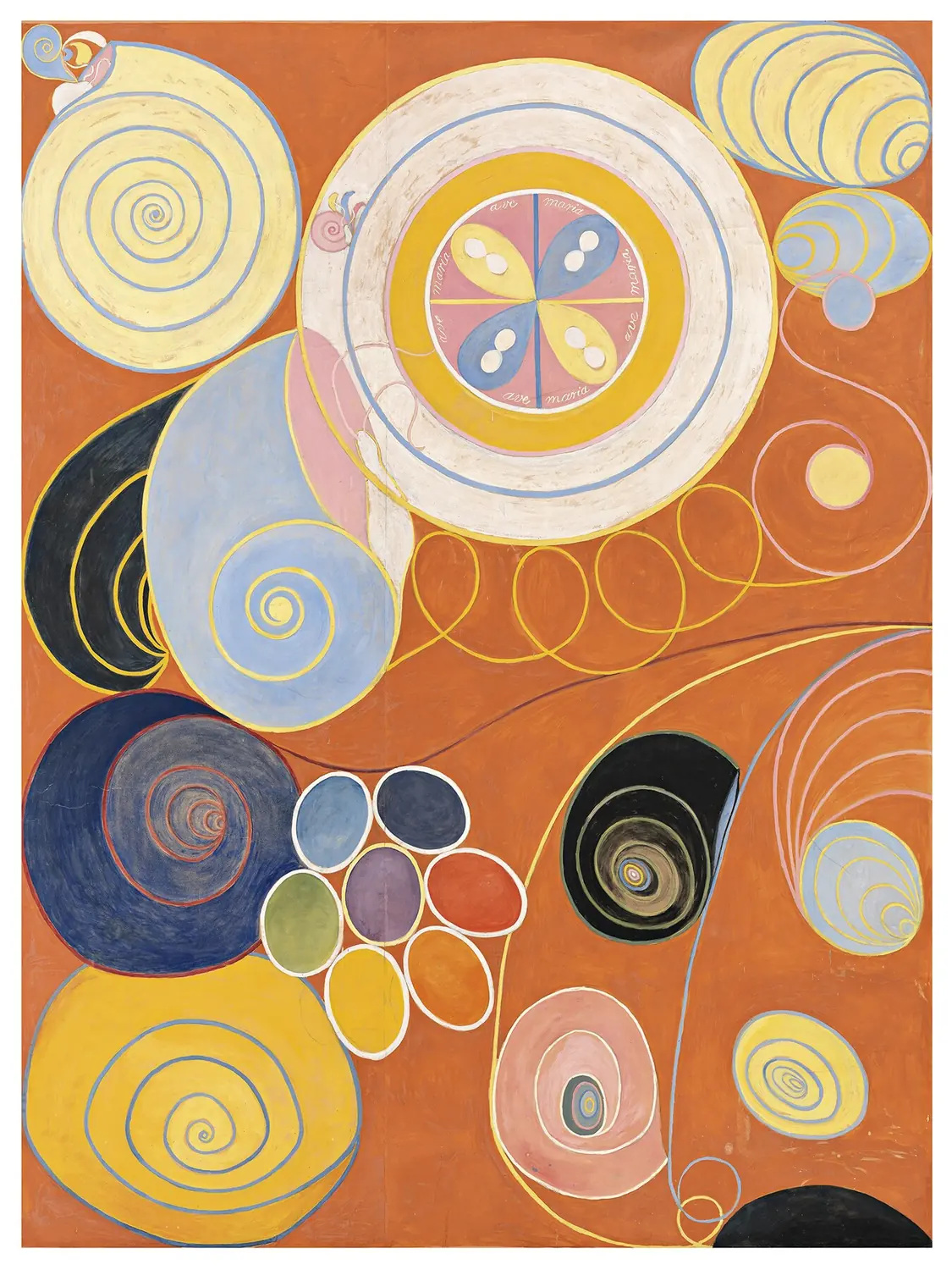
The Ten Largest, No. 3, Youth
On a coloured ground, spirals, loops, stylised flowers and letters seem to dance and grow. This painting, more than three metres high, evokes youth in a series devoted to the ages of life.
The secret pioneer of abstraction
As early as 1906, even before Kandinsky’s first abstractions, the Swede Hilma af Klint was painting large abstract canvases made of spirals, letters and coloured shapes. She asked that they be shown only twenty years after her death: the world discovered them only in the 1980s.
Born in 1862 near Stockholm into a family of naval officers, Hilma af Klint was among the first women admitted to the Royal Academy of Fine Arts in Stockholm. She earned her living with landscapes, portraits and scientific drawings, notably botanical ones and for a veterinary institute.
Passionate about spirituality, she formed ’The Five’ with four friends. From 1906 she secretly painted the ’Paintings for the Temple’, nearly two hundred abstract works, including the immense ’Ten Largest’. She died in 1944 after a tram accident, leaving more than a thousand works. Revealed in 1986, in 2018 she drew record crowds at the Guggenheim Museum in New York.
Af Klint used a vocabulary of simple forms (spirals, circles, shells, petals, symbols, letters) and symbolic colours: blue for the feminine, yellow for the masculine. Her very large formats, painted on the floor on paper and then mounted on canvas, were conceived as series telling a journey.
On a coloured ground, spirals, loops, stylised flowers and letters seem to dance and grow. This painting, more than three metres high, evokes youth in a series devoted to the ages of life.
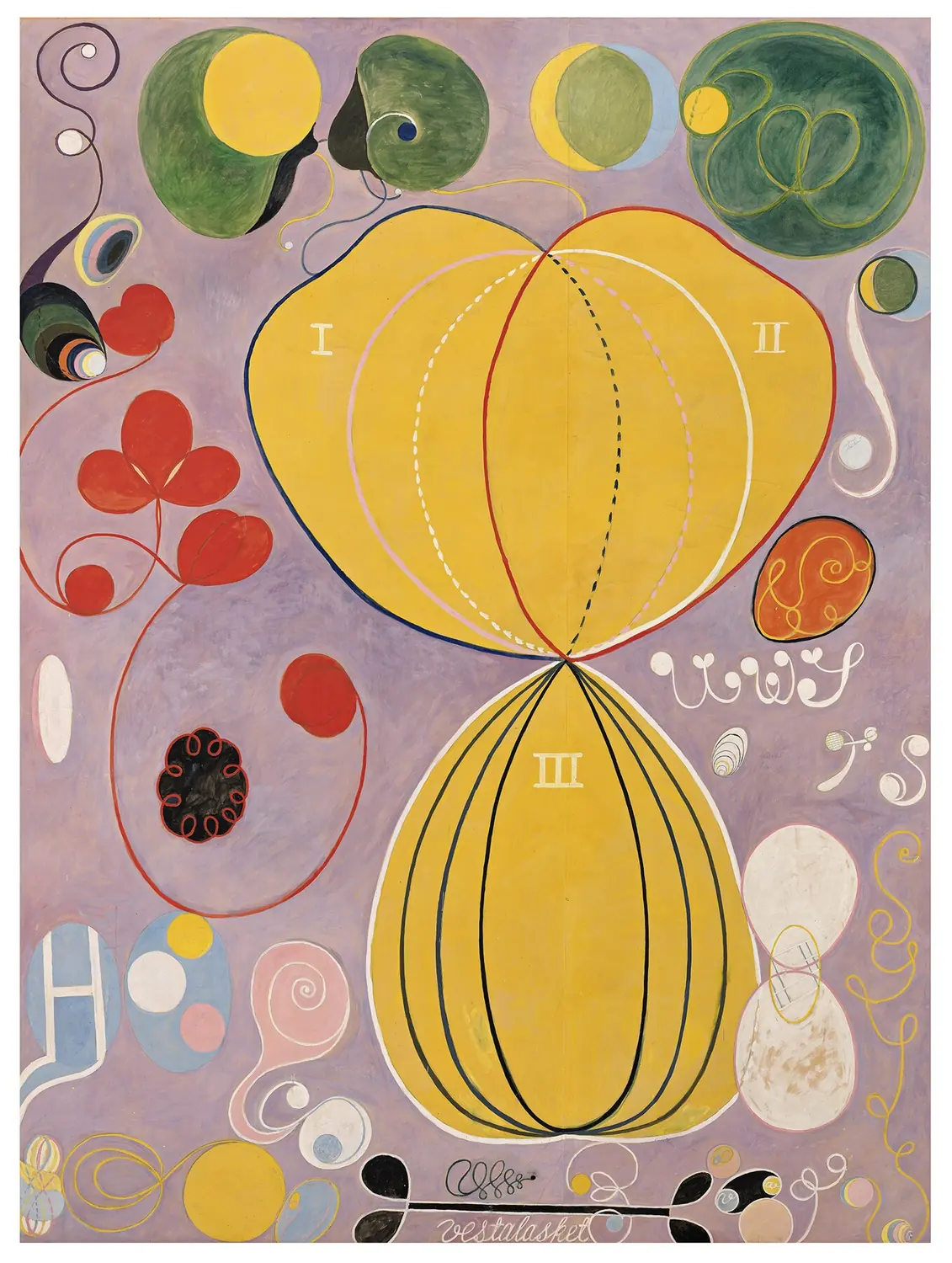
Organic forms, rosettes, petals and scrolls blossom and intertwine in this monumental painting devoted to adulthood, of great decorative richness.
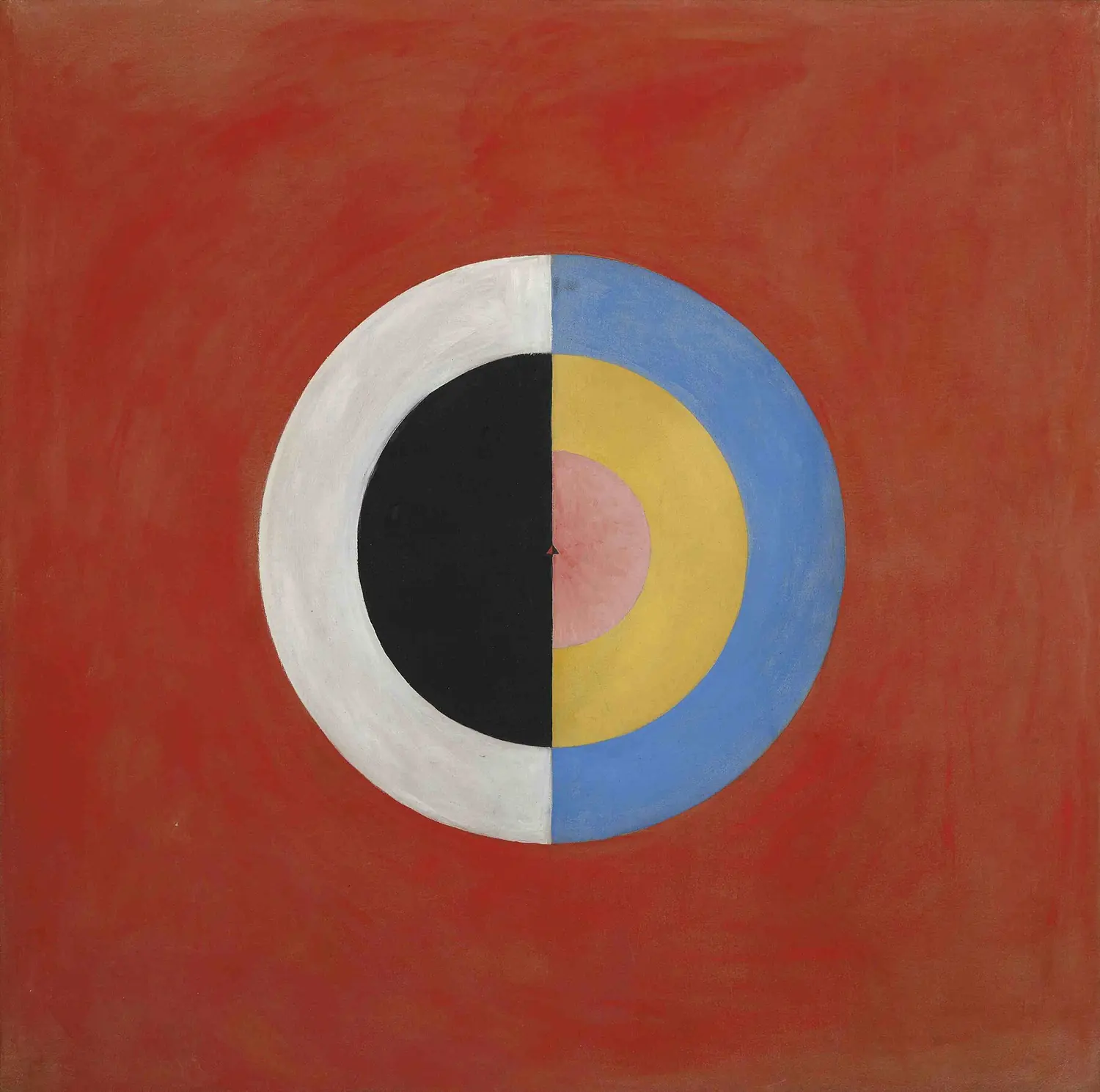
In this series on the swan, the bird gradually turns into geometric figures. Here circles and quarters of opposing colours balance each other, like the meeting of two worlds.
Each of the ’Ten Largest’ is more than three metres high. Hilma af Klint painted them in just a few months in 1907, working flat on her studio floor.
 Gustav Klimt
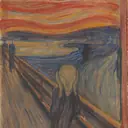 Edvard Munch
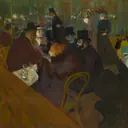 Henri de Toulouse-Lautrec
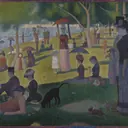 Georges Seurat
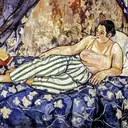 Suzanne Valadon
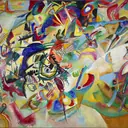 Wassily Kandinsky
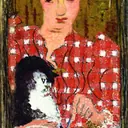 Pierre Bonnard
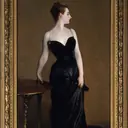 John Singer Sargent