The great movements
From Gothic to Abstract Expressionism, 27 ways of painting and seeing the world. Switch to the kids’ version for a simpler explanation.
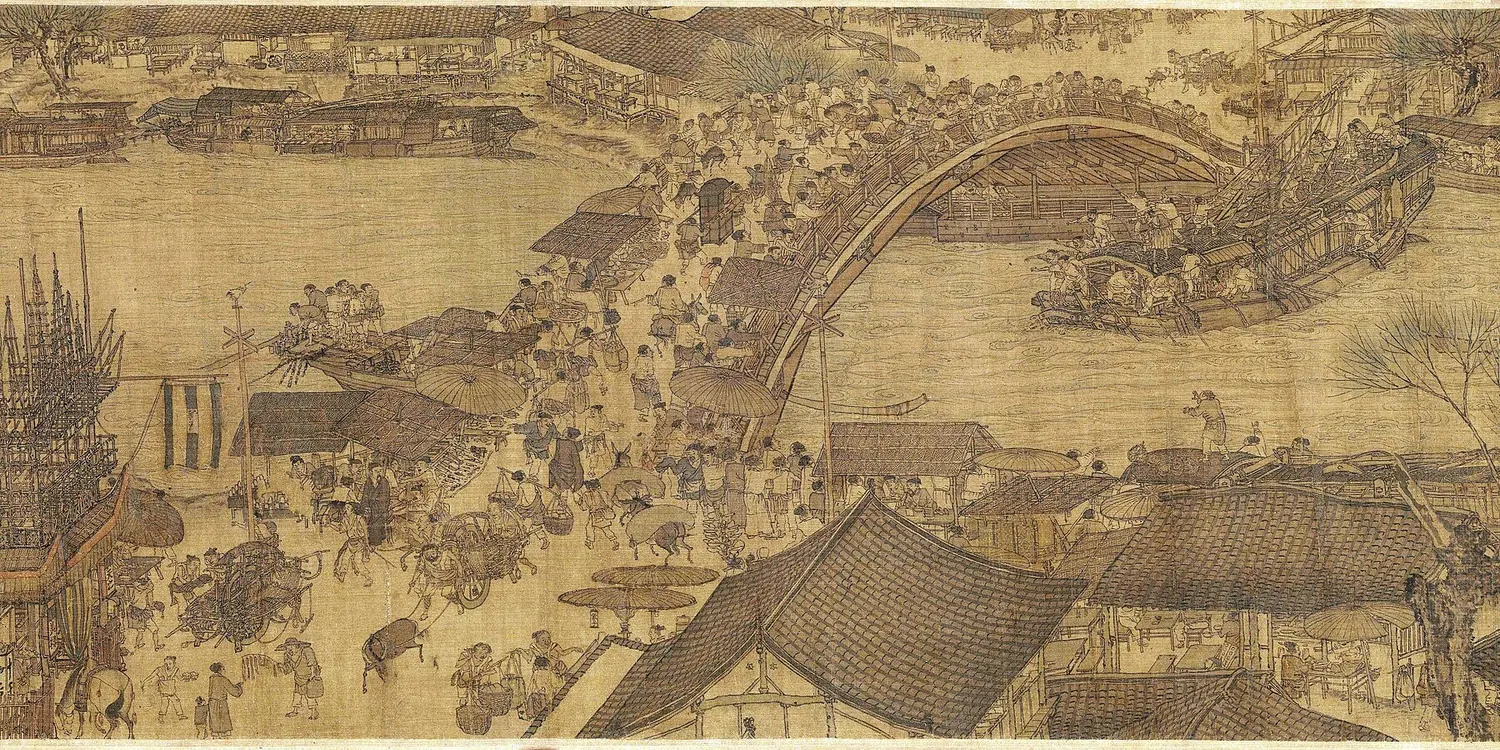
Chinese painting
since Antiquity
Chinese painting, in ink and light colours on silk or paper, often unfolds in long scrolls viewed little by little. Mountain-and-water landscapes, flowers, birds and city scenes mingle with calligraphy and seals.
- Ink and brush on silk or paper
- Scrolls to unroll
- Landscape, calligraphy and poetry intertwined
In China, people paint with ink and a brush on long scrolls of silk or paper. You unroll them bit by bit, like a story.
 Zhang Zeduan
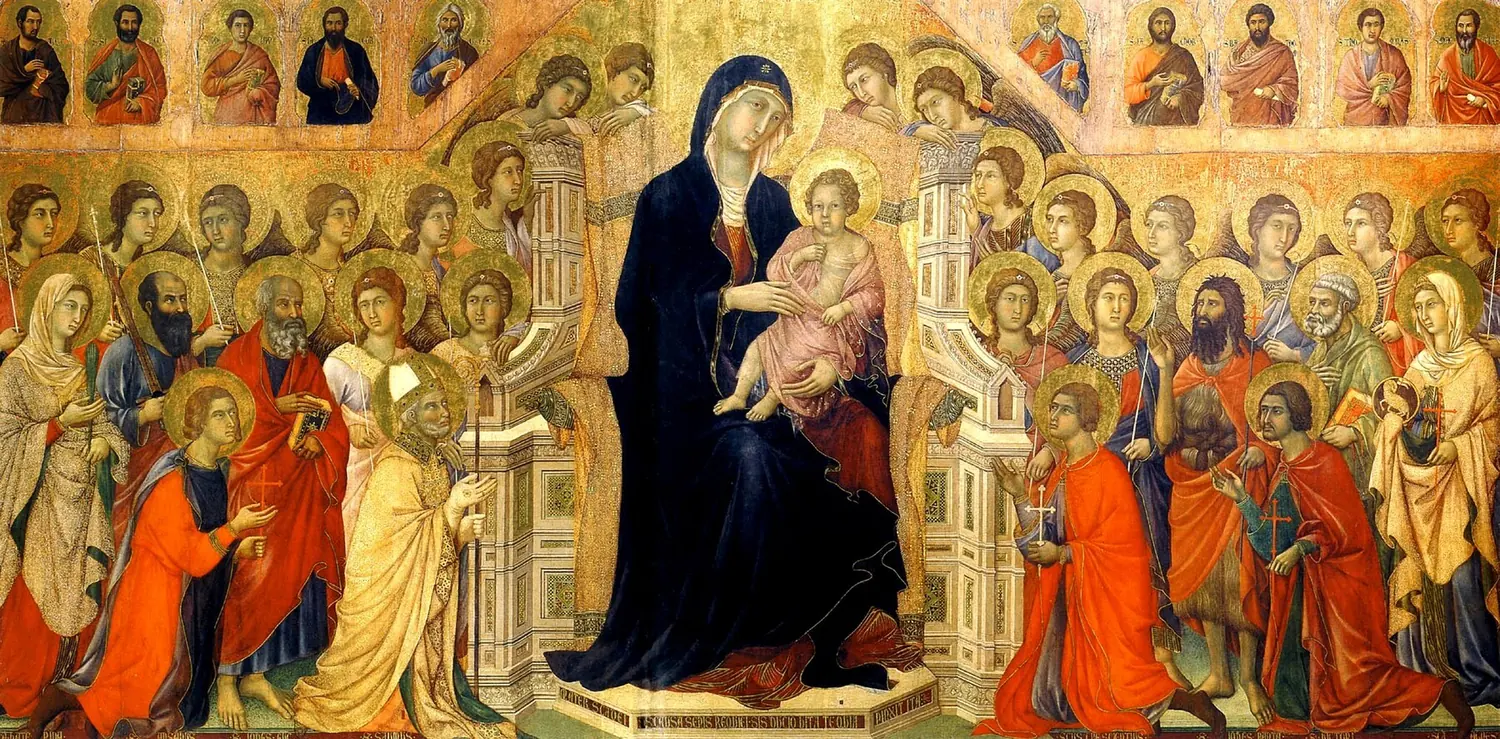
Gothic painting
13th – 15th century
At the end of the Middle Ages painting adorned churches, altarpieces and manuscripts. On gold backgrounds, sacred figures gradually gained volume, emotion and naturalness, while illuminators painted the seasons and court life.
- Gold backgrounds and precious colours
- Religious subjects and books of hours
- First explorations of volume and expression
Long ago, in the Middle Ages, people painted mostly for churches and books, using lots of gold. Little by little, painters made their figures more lifelike.
 Duccio di Buoninsegna
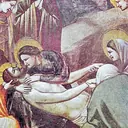 Giotto
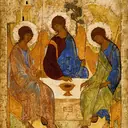 Andrei Rublev
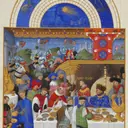 The Limbourg brothers
Early Netherlandish painting
15th century
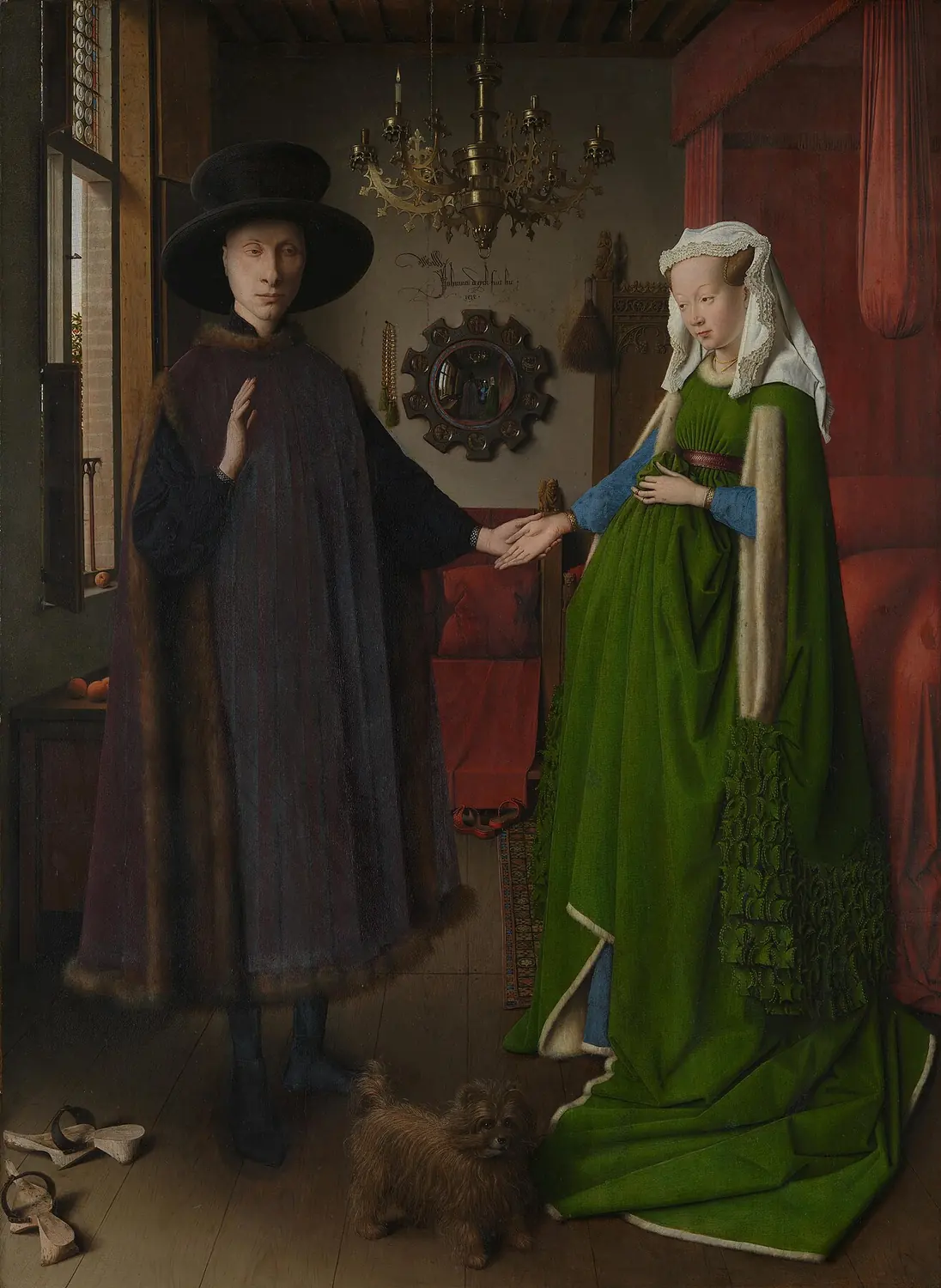
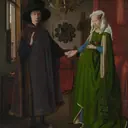
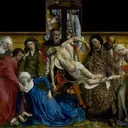
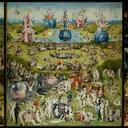
In the rich cities of Flanders, such as Bruges and Brussels, painters perfected oil painting. They rendered reflections, fabrics, jewels and landscapes with astonishing precision, in the service of faith and merchants’ portraits.
- Oil paint in transparent layers
- Minute details and reflections
- Symbols hidden in objects
In Flanders, today’s Belgium, painters learned to paint with oils. Their pictures are so precise you can see every pearl and every reflection!
 Jan van Eyck
 Rogier van der Weyden
 Hieronymus Bosch
Italian Renaissance
15th – 16th century
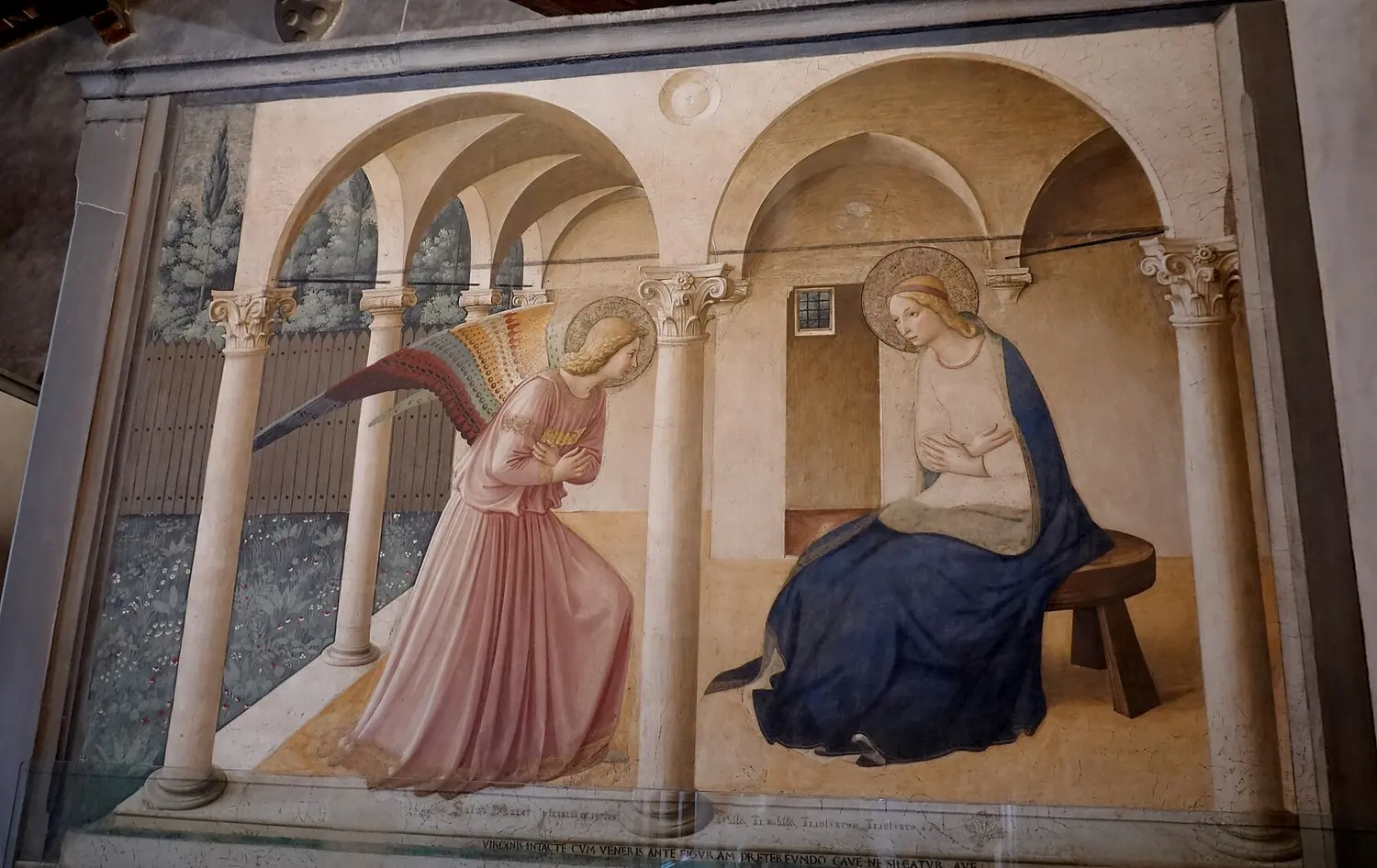
In Italy, artists and scholars rediscovered Antiquity. Painters invented geometric perspective, studied anatomy and light, and placed the human being at the centre of the world. Florence, Rome and Venice became the capitals of art.
- Perspective and measured space
- Bodies studied from life
- Harmony, balance and ideal beauty
In Italy, 500 years ago, painters worked out how to make things look near or far: that’s perspective. They also studied the human body to paint it perfectly.
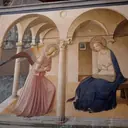 Fra Angelico
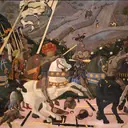 Paolo Uccello
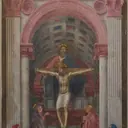 Masaccio
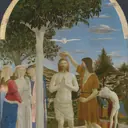 Piero della Francesca
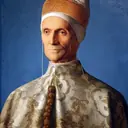 Giovanni Bellini
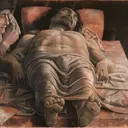 Andrea Mantegna
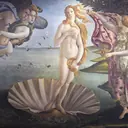 Sandro Botticelli
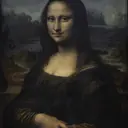 Leonardo da Vinci
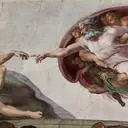 Michelangelo
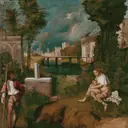 Giorgione
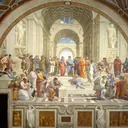 Raphael
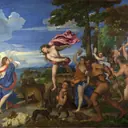 Titian
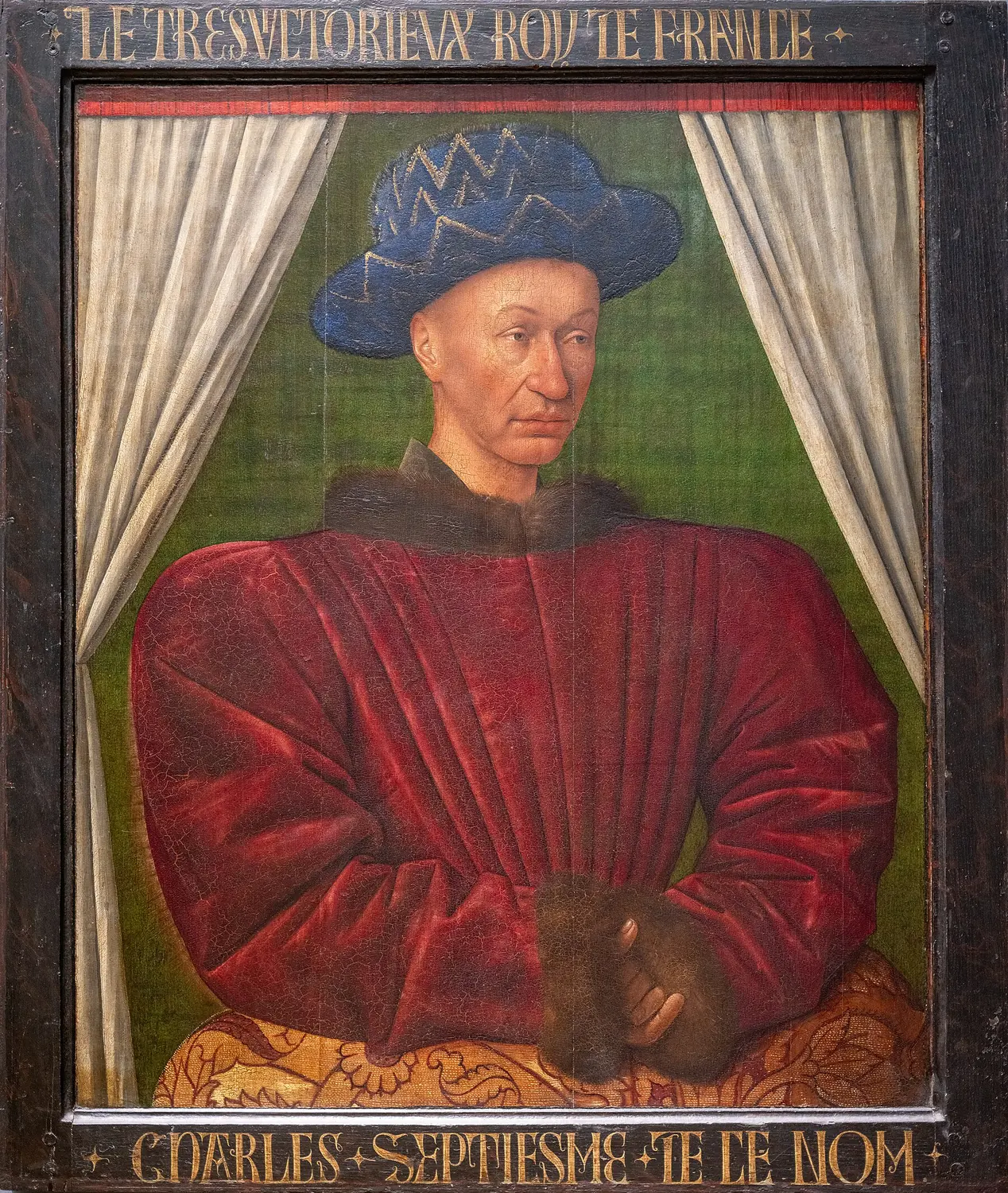
Northern Renaissance
16th century
In Germany, Switzerland and the Low Countries, artists combined Flemish precision with Italian discoveries. Printmaking spread images across Europe, the Reformation transformed subjects, and landscape and peasant life entered painting.
- Printmaking and the spread of images
- Highly precise portraits
- Landscapes and scenes of daily life
In northern Europe, painters like Dürer mixed Flemish precision with Italian ideas. Thanks to printmaking, their pictures travelled everywhere.
 Jean Fouquet
 Albrecht Dürer
 Lucas Cranach the Elder
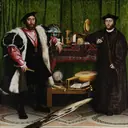 Hans Holbein the Younger
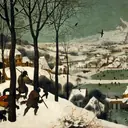 Pieter Bruegel the Elder
Persian miniature
14th – 17th century
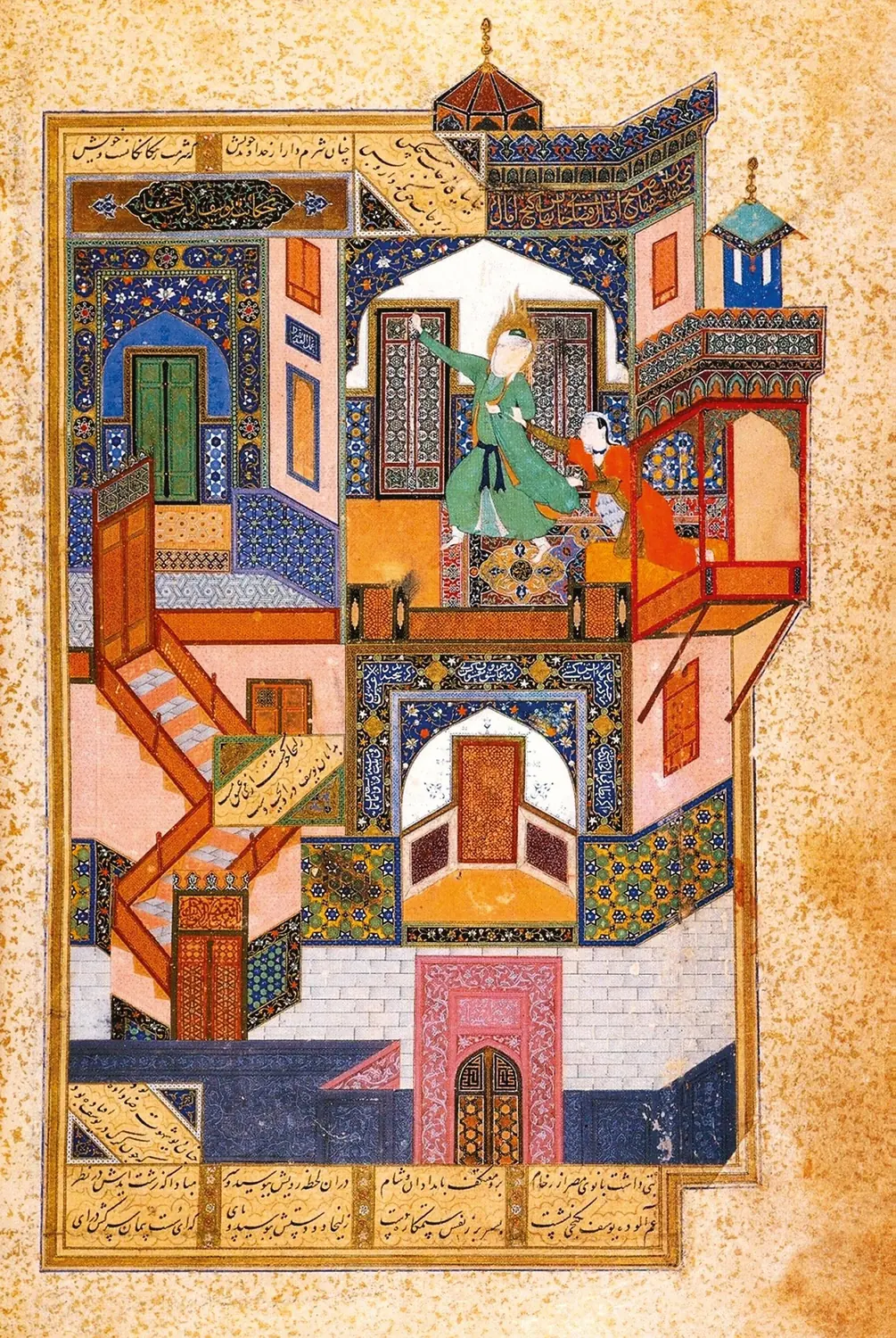
In the royal workshops of Iran and Central Asia, painters illustrated great poems and chronicles. Their meticulous pages, in jewel-like colours, stack up planes to tell several moments at once.
- Small formats of extreme precision
- Bright colours and decorative patterns
- Tiered spaces seen from above
In Persia, today’s Iran, painters drew tiny pictures full of colour to illustrate books of poems. You need a magnifying glass to see every detail!
 Kamāl ud-Dīn Behzād
Mannerism
c. 1520 – 1600
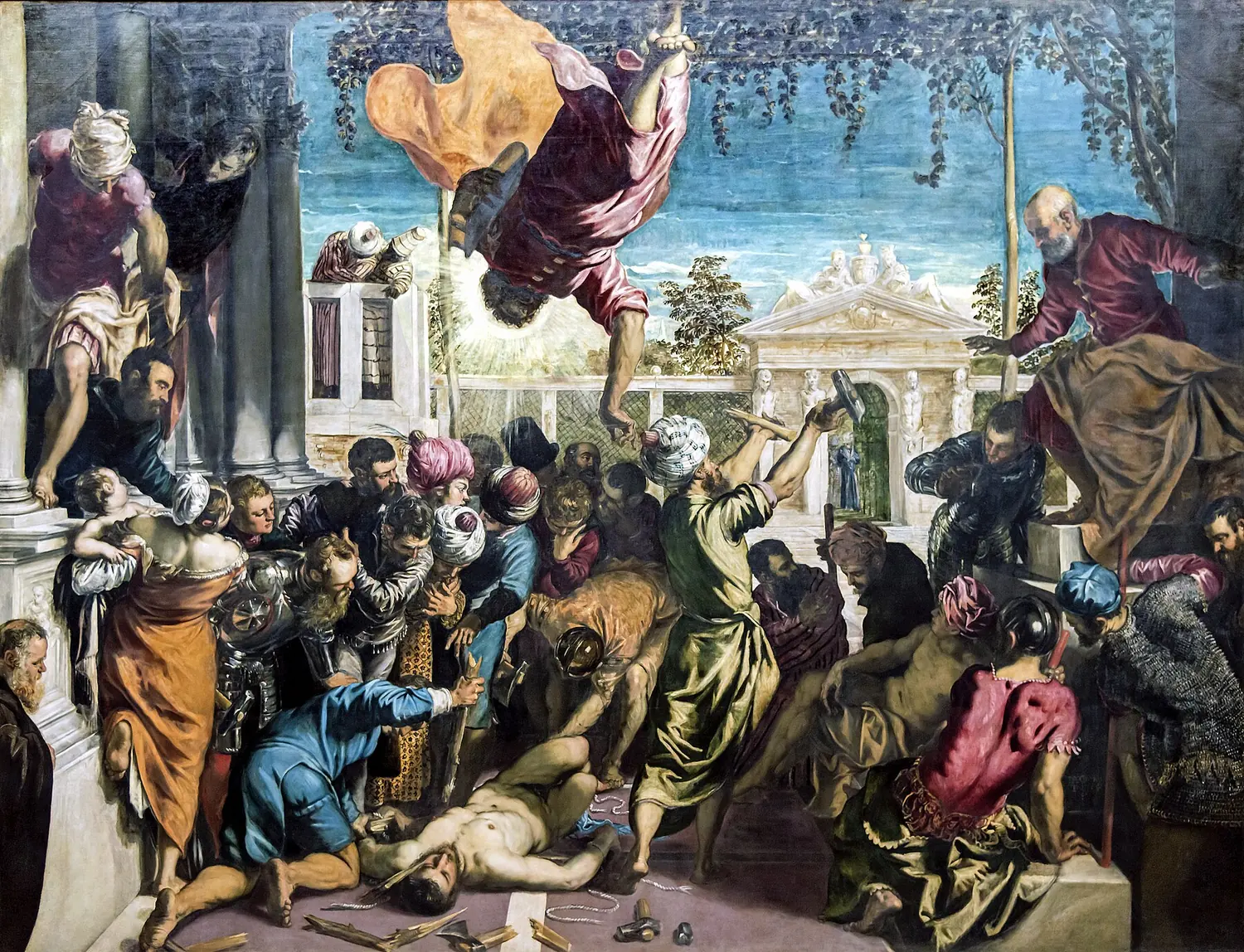
After the balance of the Renaissance, painters sought to astonish: elongated, twisting bodies, acid colours, unstable spaces, dynamic compositions. In Venice, Tintoretto and Veronese painted huge scenes full of movement and light.
- Elongated figures and complex poses
- Unexpected colours
- Movement and spectacular effects
After the Renaissance, some painters wanted to surprise: they painted long, stretched figures in acrobatic poses with amazing colours.
 Tintoretto
 Giuseppe Arcimboldo
 Paolo Veronese
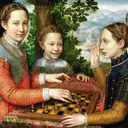 Sofonisba Anguissola
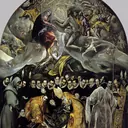 El Greco
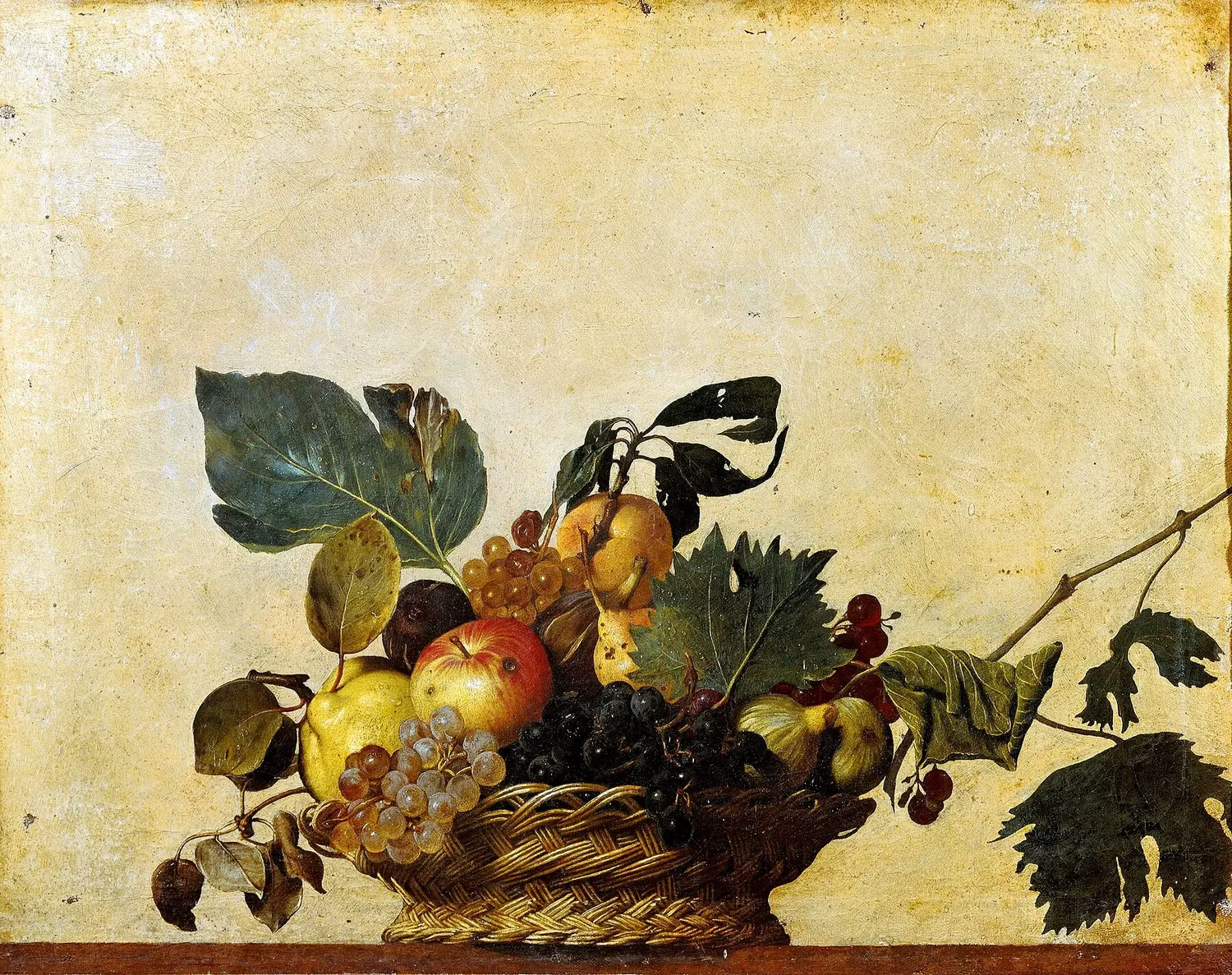
Baroque
17th century
The Baroque aimed to move and impress. Violent contrasts of light and shadow, diagonals, bodies in motion and theatrical scenes grip the viewer. From Rome to Antwerp and Madrid, the Church and royal courts made it an art of prestige.
- Chiaroscuro and contrasts
- Movement and diagonals
- Emotion and theatricality
Baroque painters wanted you to feel something. They used strong light and very dark shadows, like a spotlight in a theatre, and lots of movement.
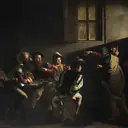 Caravaggio
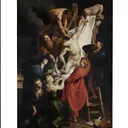 Peter Paul Rubens
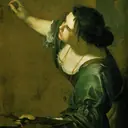 Artemisia Gentileschi
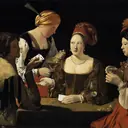 Georges de La Tour
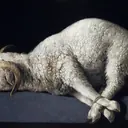 Francisco de Zurbarán
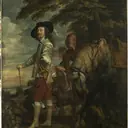 Anthony van Dyck
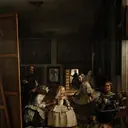 Diego Velázquez
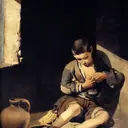 Bartolomé Esteban Murillo
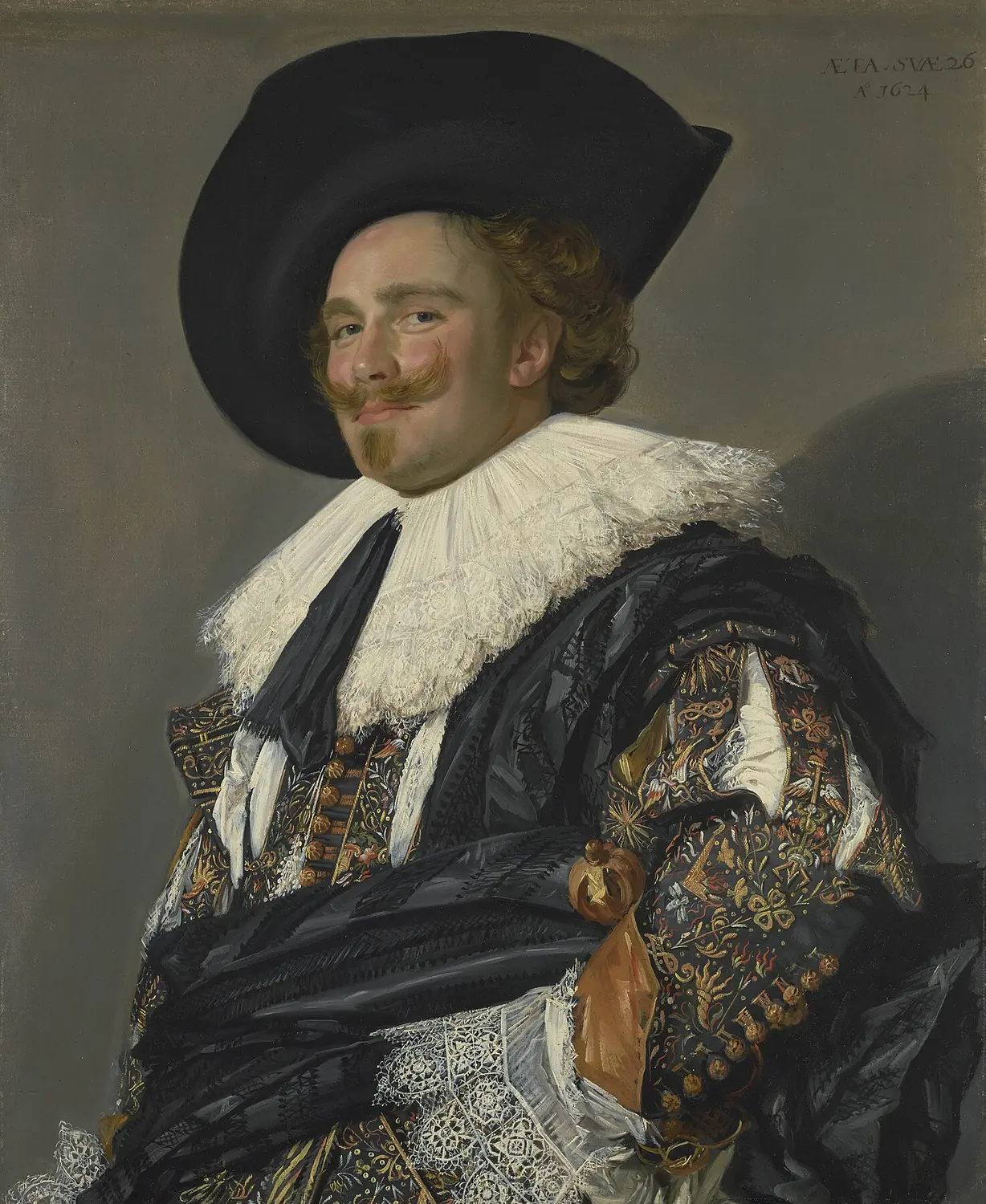
Dutch Golden Age
17th century
In the Dutch Republic, a prosperous merchant republic, painters worked for a vast market of private buyers. They specialised: portraits, landscapes, still lifes, interiors, seascapes. Soft light and everyday life became subjects in their own right.
- Scenes of everyday life
- Specialities: landscape, still life, portrait
- Soft light and precision
In the Netherlands, 400 years ago, lots of people bought paintings for their homes. Painters showed everyday life: a maid, a meal, a street, the sea.
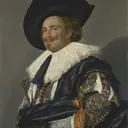 Frans Hals
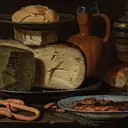 Clara Peeters
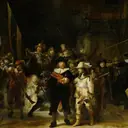 Rembrandt
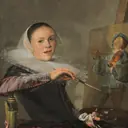 Judith Leyster
 Johannes Vermeer
Classicism
17th century
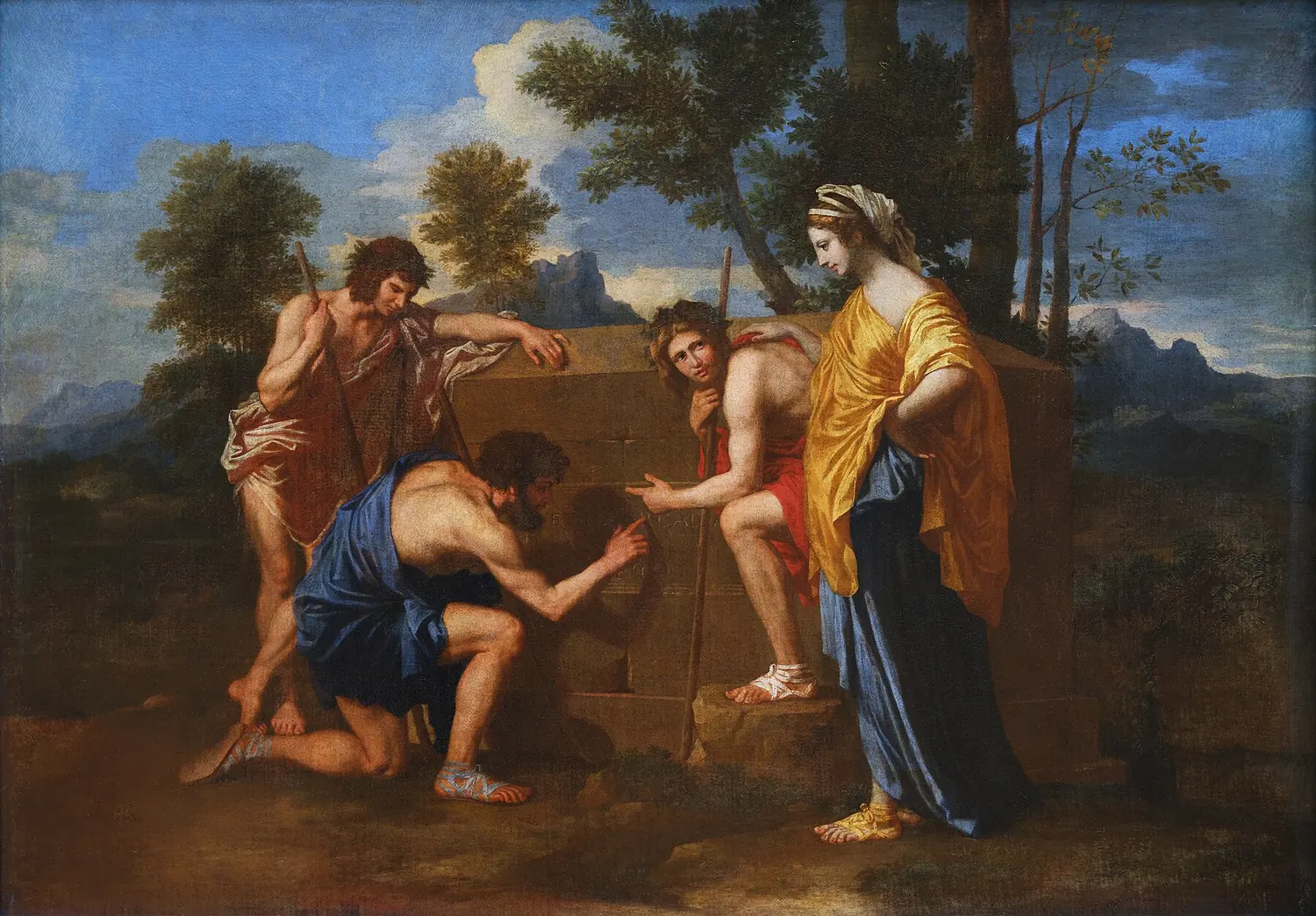
Reacting against Baroque excess, Classicism sought clarity, order and restraint, inspired by Antiquity and Raphael. Its carefully constructed compositions tell ancient or biblical stories in ideal landscapes.
- Order, clarity and balance
- Ancient subjects and idealised landscapes
- Precise drawing and thoughtful composition
Classical painters loved order and calm. Their pictures are built like beautiful buildings, with perfect landscapes and stories from Antiquity.
 Nicolas Poussin
 Claude Lorrain
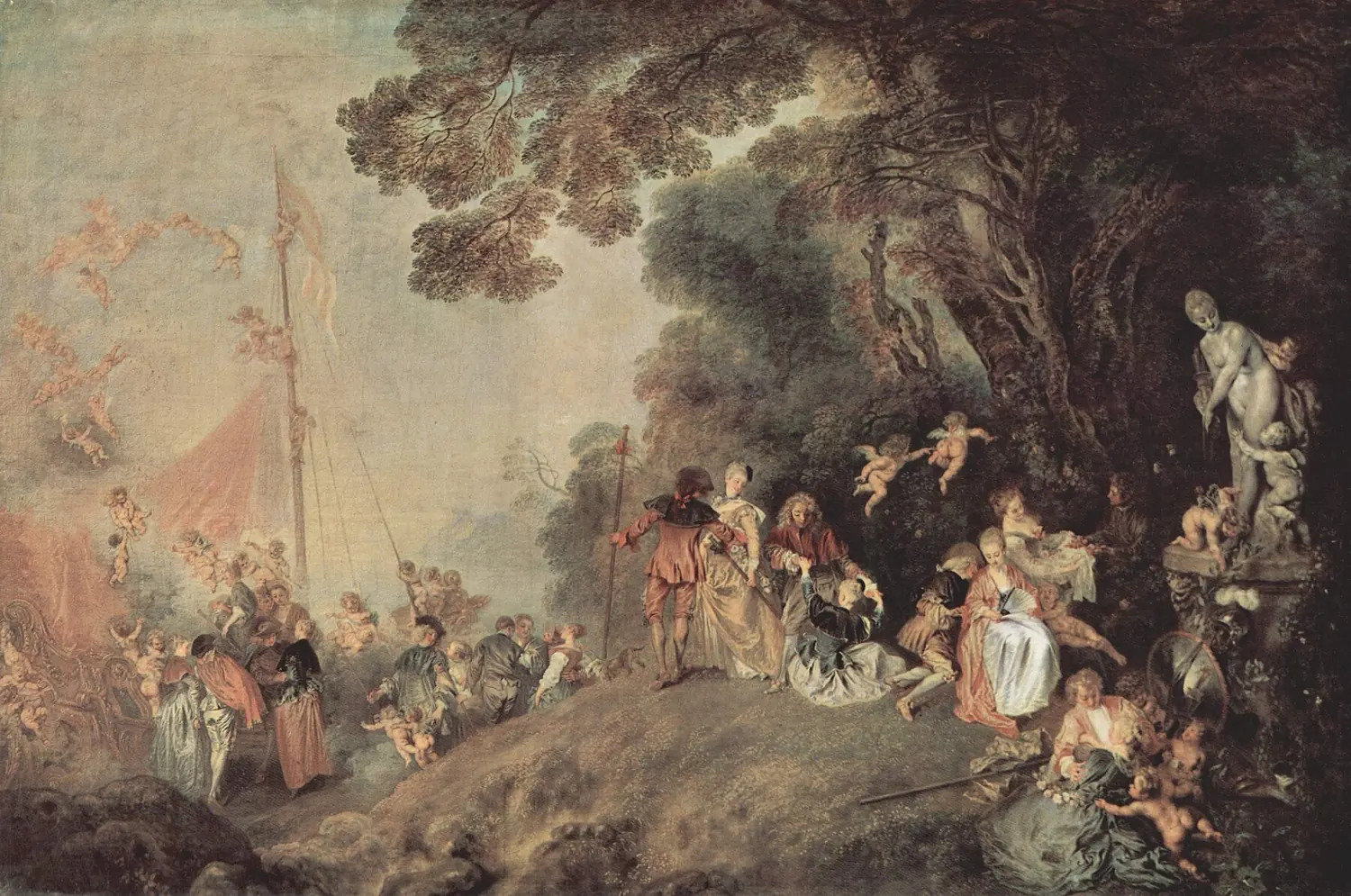
Rococo and the 18th century
c. 1715 – 1780
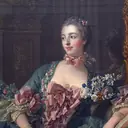
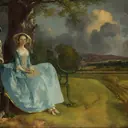
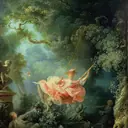
In the 18th century French painting became light and graceful: fêtes galantes, mythological loves, pastel colours and a lively touch. Alongside, Chardin solemnly painted simple objects, and Venice celebrated its canals in the light.
- Light, pastel colours
- Parties, games and pleasures
- Light, virtuoso brushwork
In the 18th century, painters loved soft colours, pink and pale blue, and painted parties in gardens, swings and picnics.
 Antoine Watteau
 Canaletto
 Jean-Baptiste-Siméon Chardin
 François Boucher
 Thomas Gainsborough
 Jean-Honoré Fragonard
Romanticism
c. 1800 – 1850
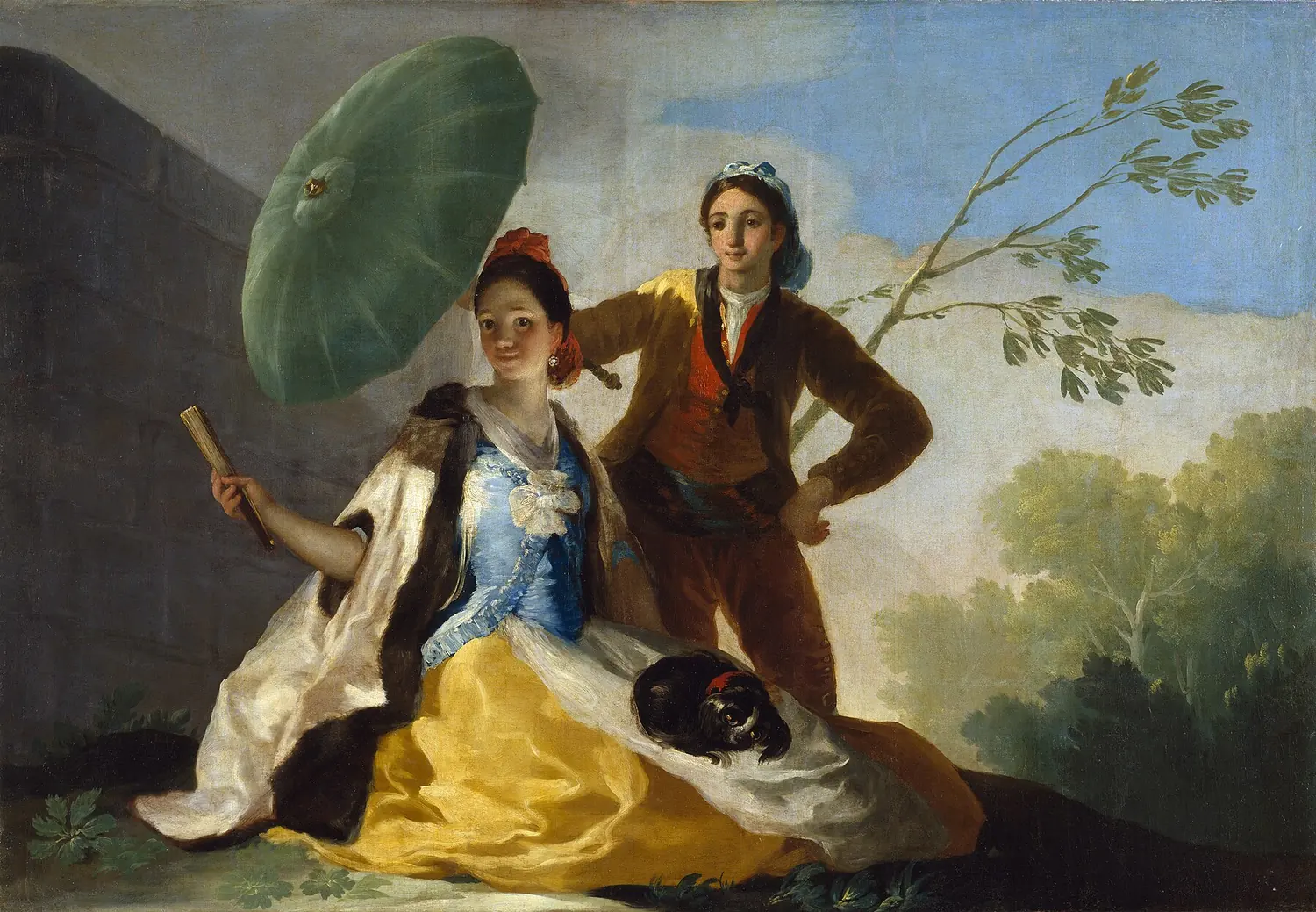
Romanticism preferred emotion to reason: storms, shipwrecks, revolts, dreams, nature sublime and terrible. Colour and free brushwork prevail over line. Goya, Géricault, Delacroix, Turner and Friedrich expressed the passions and anxieties of their time.
- Emotion, passion and imagination
- Grand, dramatic nature
- Freed colour and brushwork
Romantic painters wanted you to feel strong emotions: fear, courage, wonder. They painted storms, battles and huge landscapes.
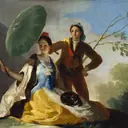 Francisco Goya
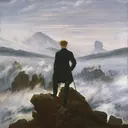 Caspar David Friedrich
 J. M. W. Turner
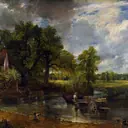 John Constable
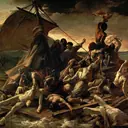 Théodore Géricault
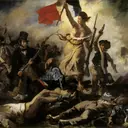 Eugène Delacroix
Neoclassicism
c. 1760 – 1830
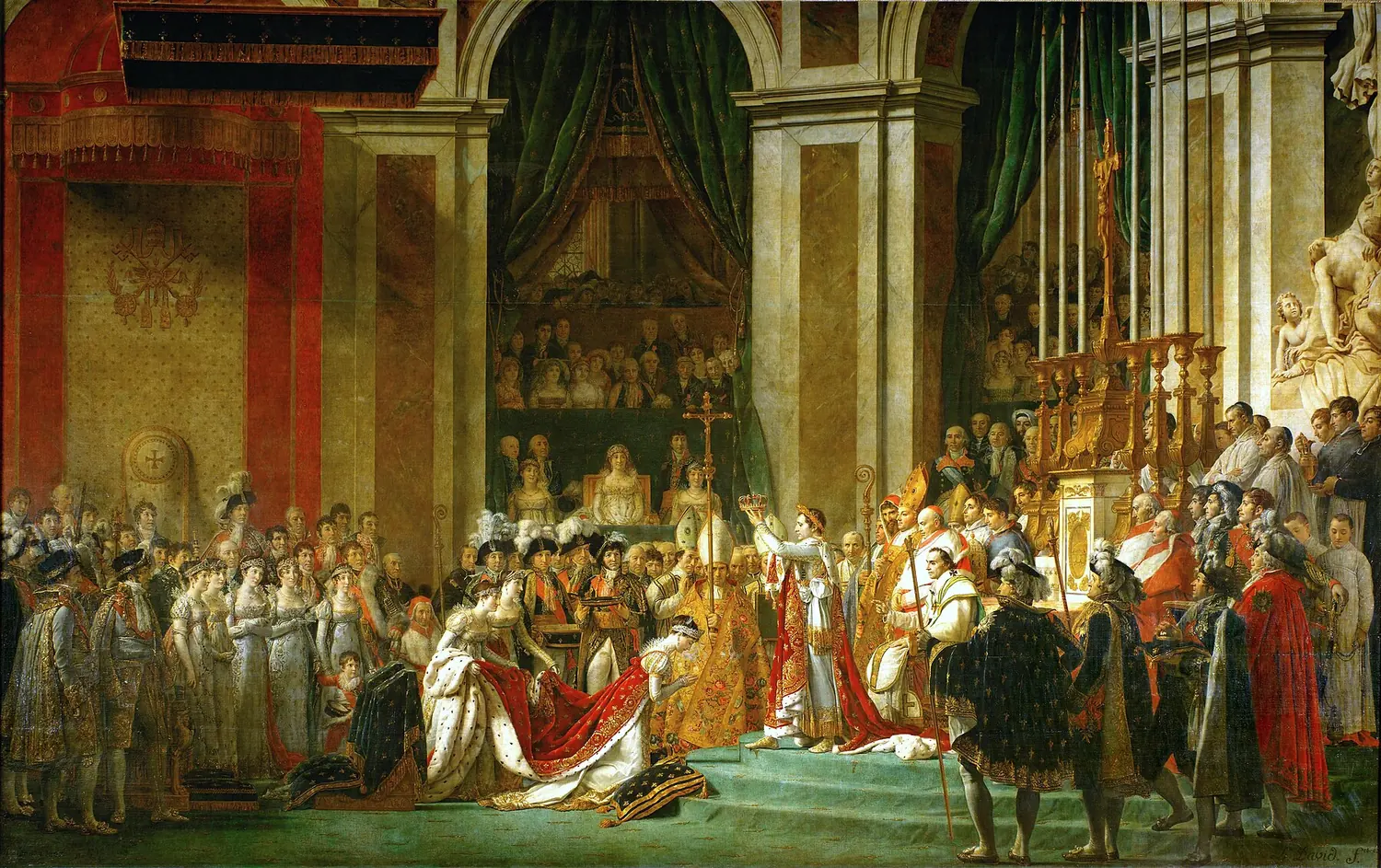
Inspired by the discoveries at Pompeii and ideals of virtue, Neoclassical painters returned to line, clarity and the heroes of Antiquity. David made it the art of the Revolution and then the Empire; Ingres brought drawing to perfection.
- Clean drawing and precise outlines
- Ancient heroes and virtues
- Calm, solemn compositions
At the time of the French Revolution, painters like David wanted to imitate the art of ancient Greece and Rome: brave heroes and very crisp drawing.
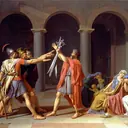 Jacques-Louis David
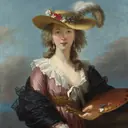 Élisabeth Vigée Le Brun
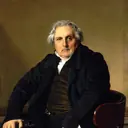 Jean-Auguste-Dominique Ingres
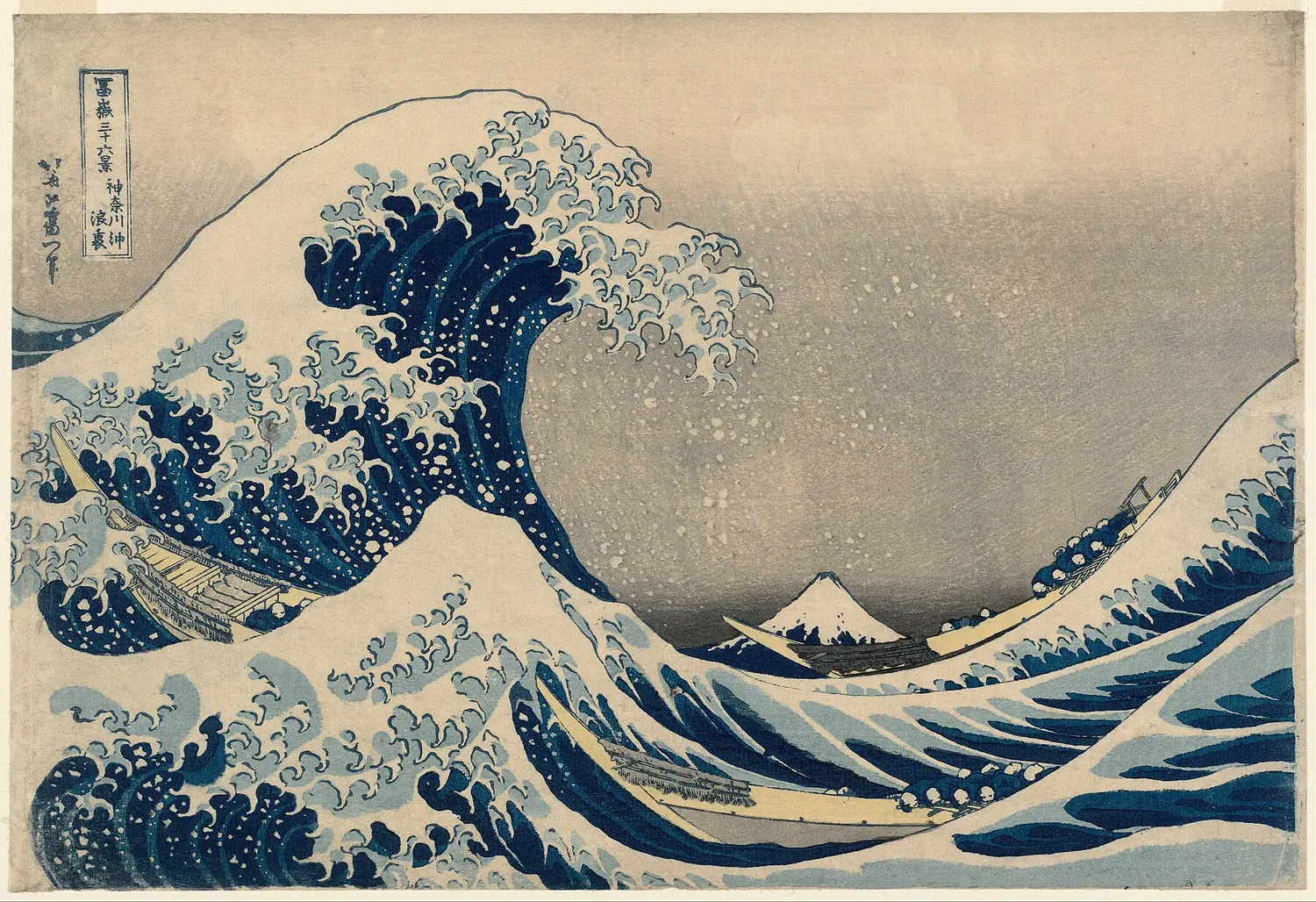
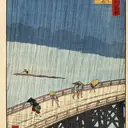
Japanese woodblock prints (ukiyo-e)
17th – 19th century
’Pictures of the floating world’ are colour woodblock prints sold cheaply in Edo, today’s Tokyo. Actors, courtesans, landscapes and journeys are shown in flat colour and clean lines. When they reached Europe they overwhelmed the Impressionists.
- Colour woodblock printing
- Flat colour, crisp outlines and bold framing
- Landscapes, travel and city life
In Japan, artists drew pictures that were printed from carved wooden blocks, one colour after another. They were cheap, and everyone could buy them.
 Katsushika Hokusai
 Utagawa Hiroshige
Realism
c. 1840 – 1880
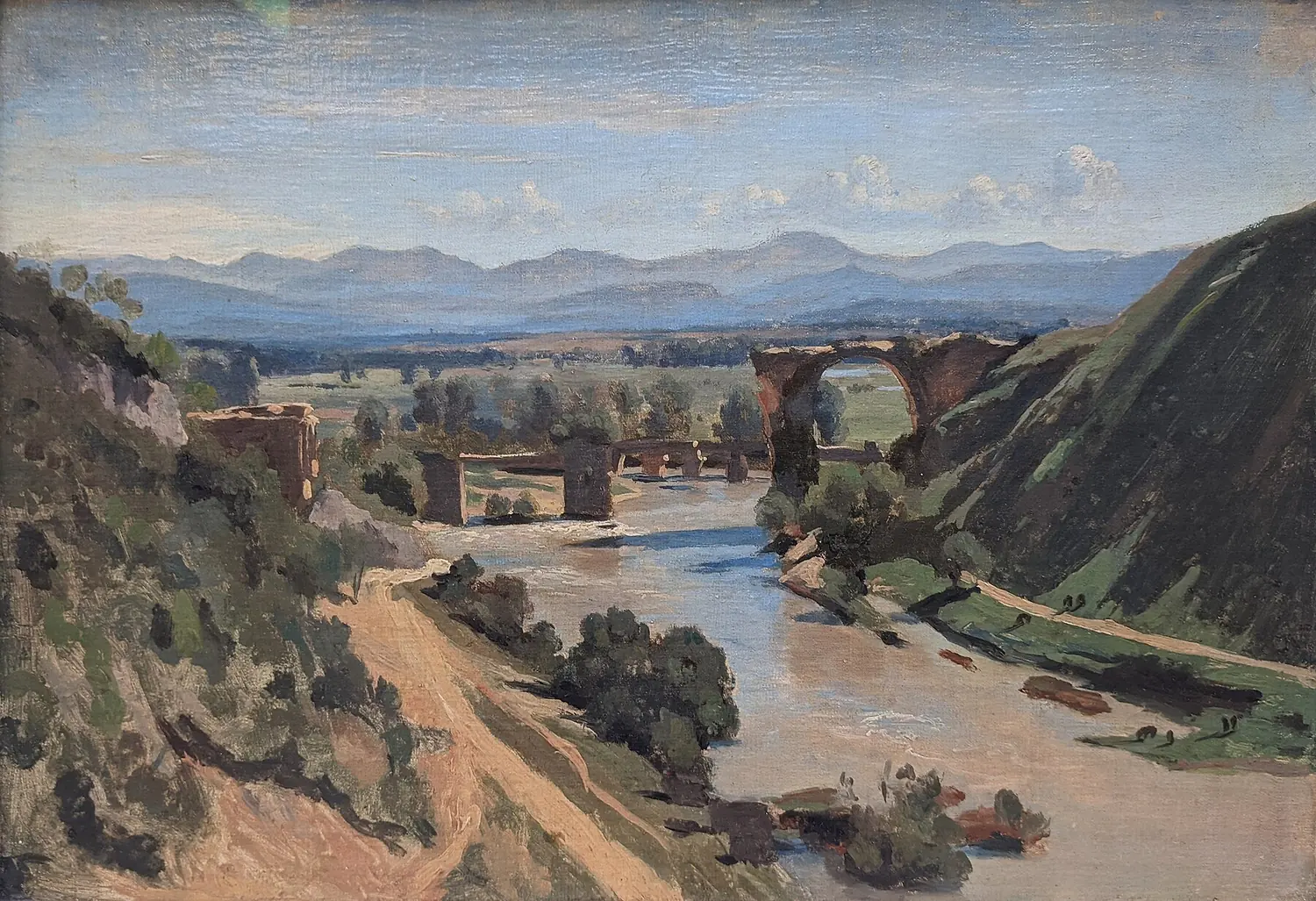
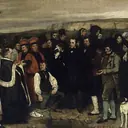
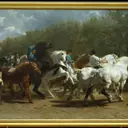
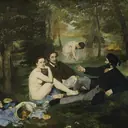
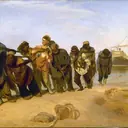
Realism set out to paint the world as it is, without embellishment: peasants, workers, villages, animals, contemporary scenes. Courbet championed it, the Barbizon painters went to paint in the forest, and Manet opened the way to modern painting.
- Contemporary, ordinary subjects
- Rejection of idealisation
- Direct observation of nature
Realist painters wanted to show real life: peasants in the fields, animals, villages, without making anything prettier.
 Camille Corot
 Jean-François Millet
 Gustave Courbet
 Rosa Bonheur
 Édouard Manet
 Ilya Repin
 John Singer Sargent
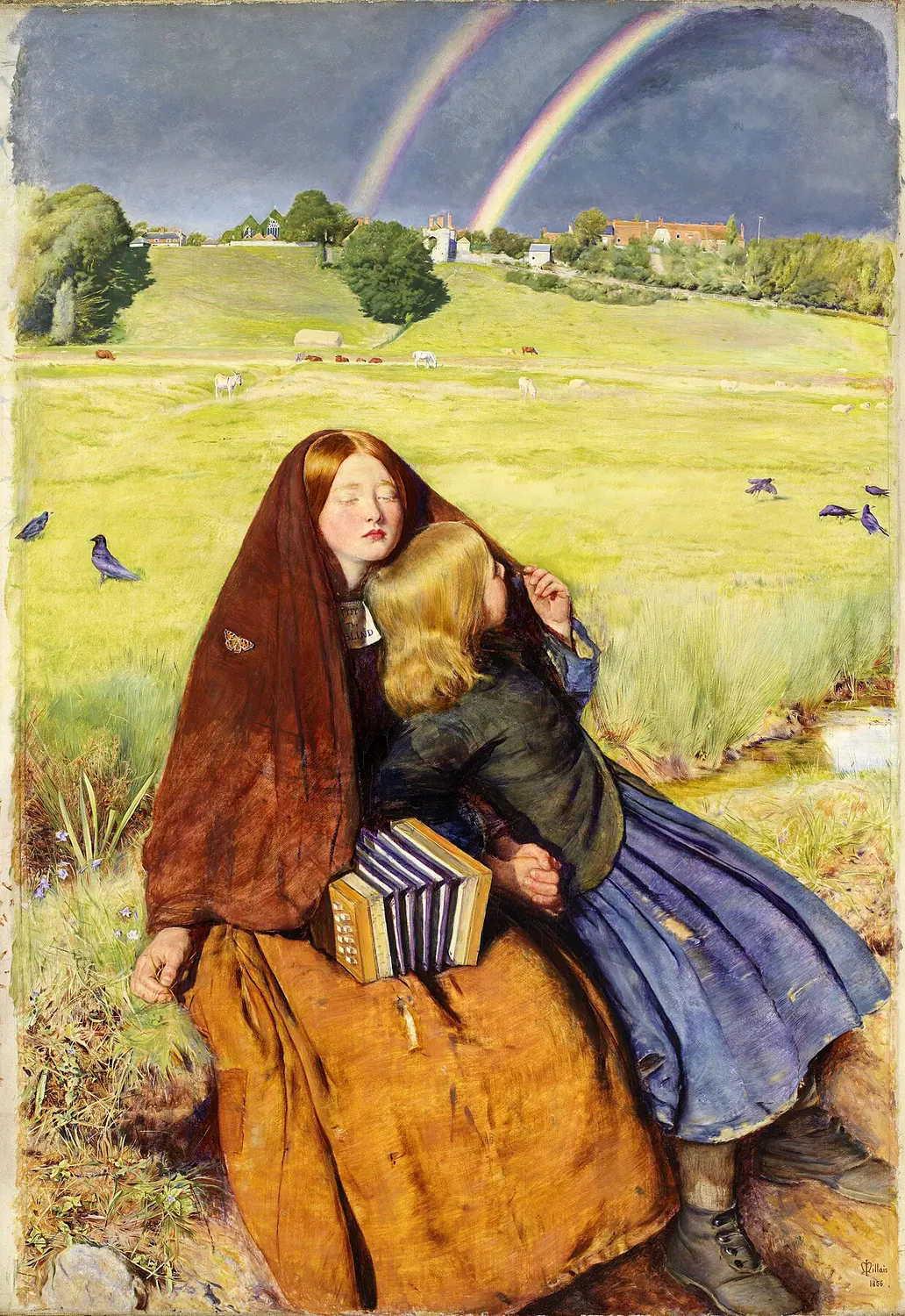
Symbolism and Pre-Raphaelitism
c. 1848 – 1910
Against realism, artists sought to express ideas, dreams and the mysteries of the soul through images charged with symbols. In England, the Pre-Raphaelites returned to detail and legend; in Vienna, Klimt invented a sumptuous decorative art.
- Dreams, myths and legends
- Images charged with symbols
- Decorative and musical aims
These painters loved legends, dreams and mysteries. In their paintings, every flower or colour can have a hidden meaning.
 John Everett Millais
 James McNeill Whistler
 Gustav Klimt
Impressionism
c. 1870 – 1890
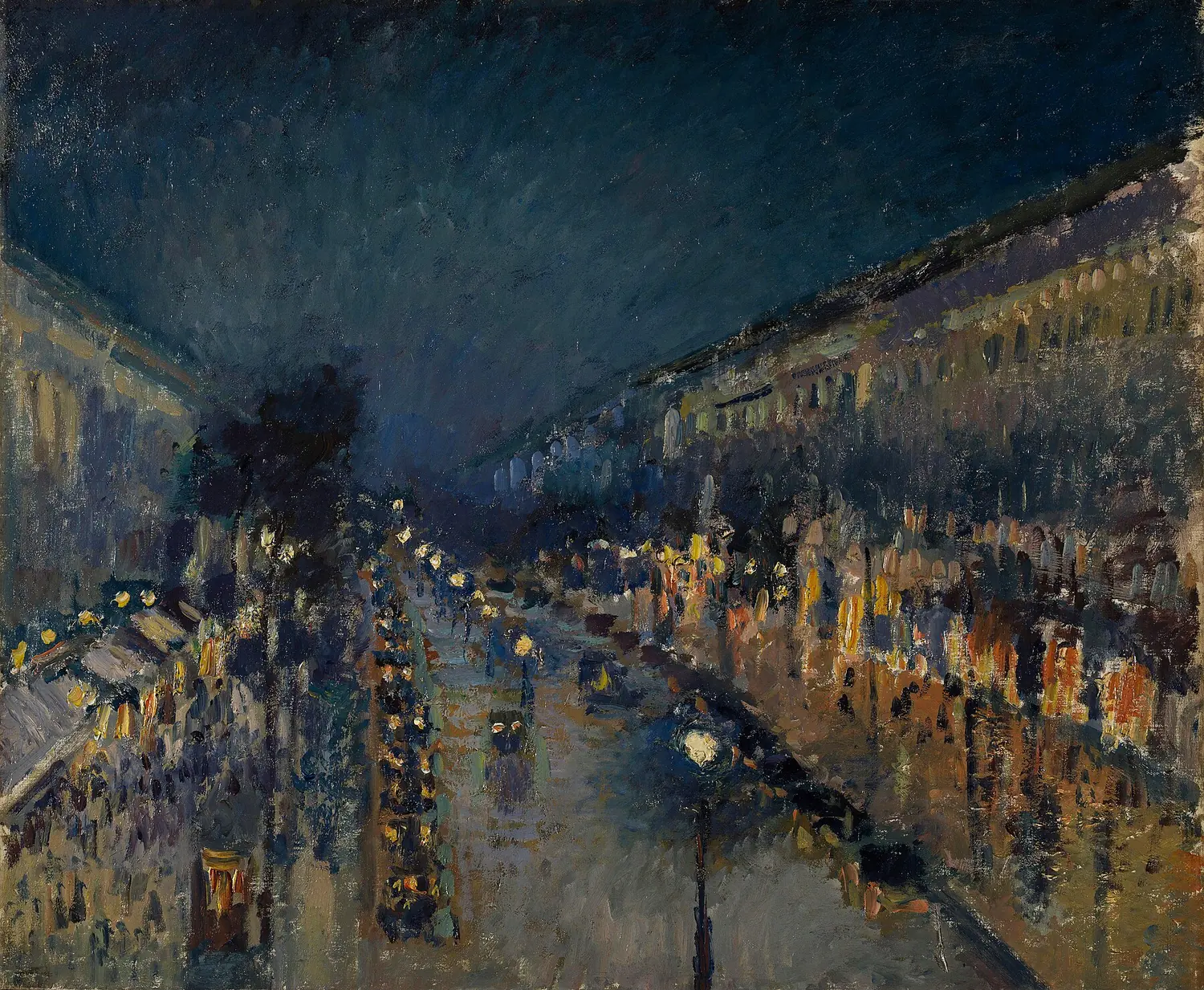
In 1874 painters rejected by the official Salon exhibited together; a critic nicknamed them ’Impressionists’. They painted outdoors in small touches of light colour to capture light, movement and modern life.
- Painting outdoors
- Quick touches of pure colour
- Changing light and modern life
The Impressionists painted outdoors, very quickly, with little dabs of colour, to catch the sunlight before it changed.
 Camille Pissarro
 Edgar Degas
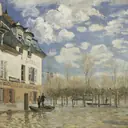 Alfred Sisley
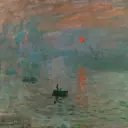 Claude Monet
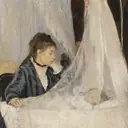 Berthe Morisot
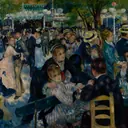 Pierre-Auguste Renoir
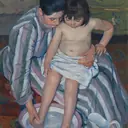 Mary Cassatt
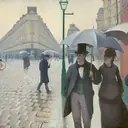 Gustave Caillebotte
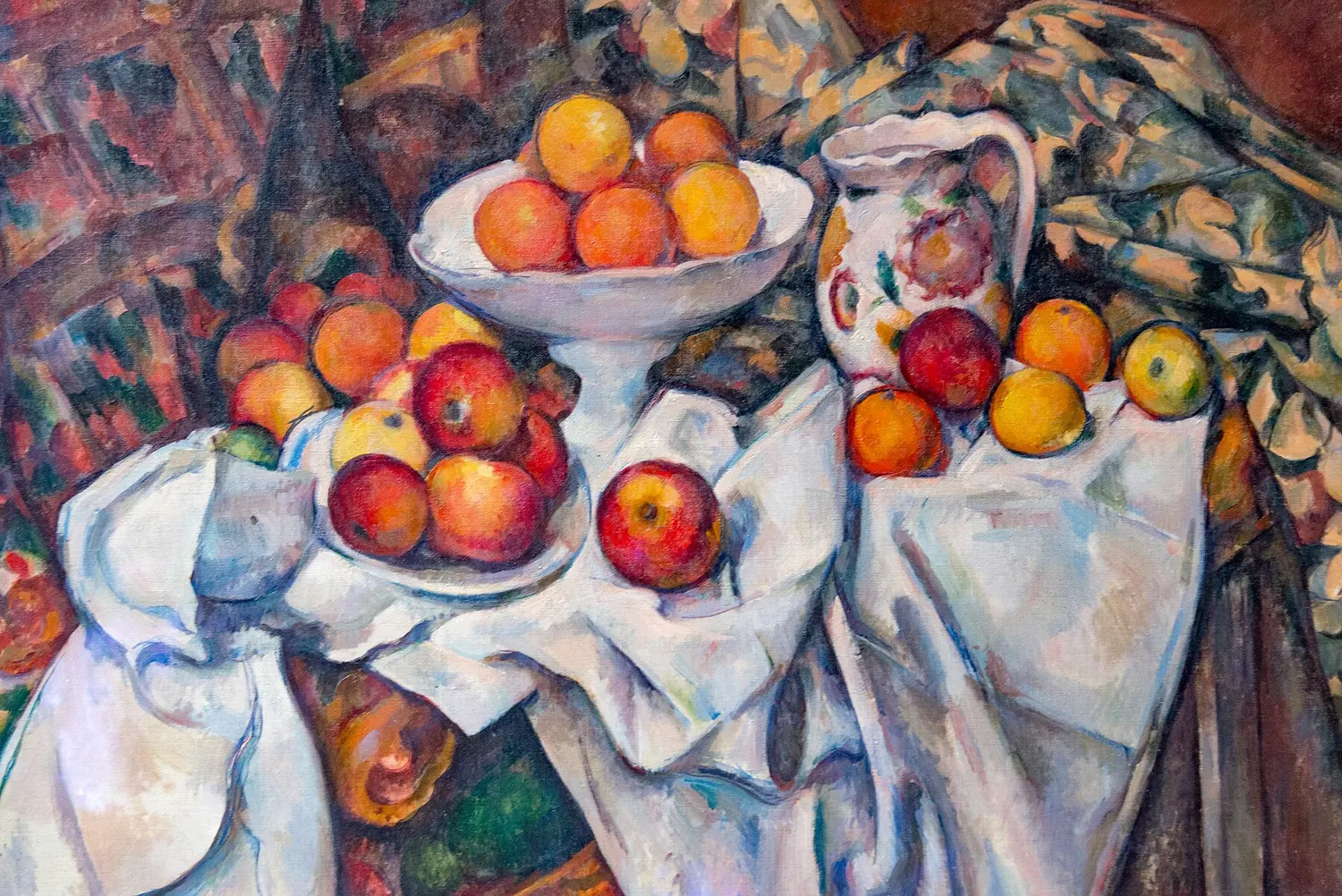
Post-Impressionism
c. 1885 – 1905
After Impressionism, several painters sought personal paths: Cézanne’s construction of form, Seurat’s dots of colour, Van Gogh’s emotion, Gauguin’s symbolic flat colour, Toulouse-Lautrec’s posters. They opened the door to modern art.
- Highly personal experiments
- Expressive or constructed colour
- Simplified forms
After the Impressionists, painters each invented their own style: dots, swirls, made-up colours. They paved the way for modern art.
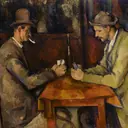 Paul Cézanne
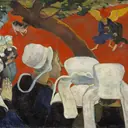 Paul Gauguin
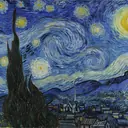 Vincent van Gogh
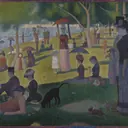 Georges Seurat
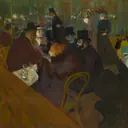 Henri de Toulouse-Lautrec
 Pierre Bonnard
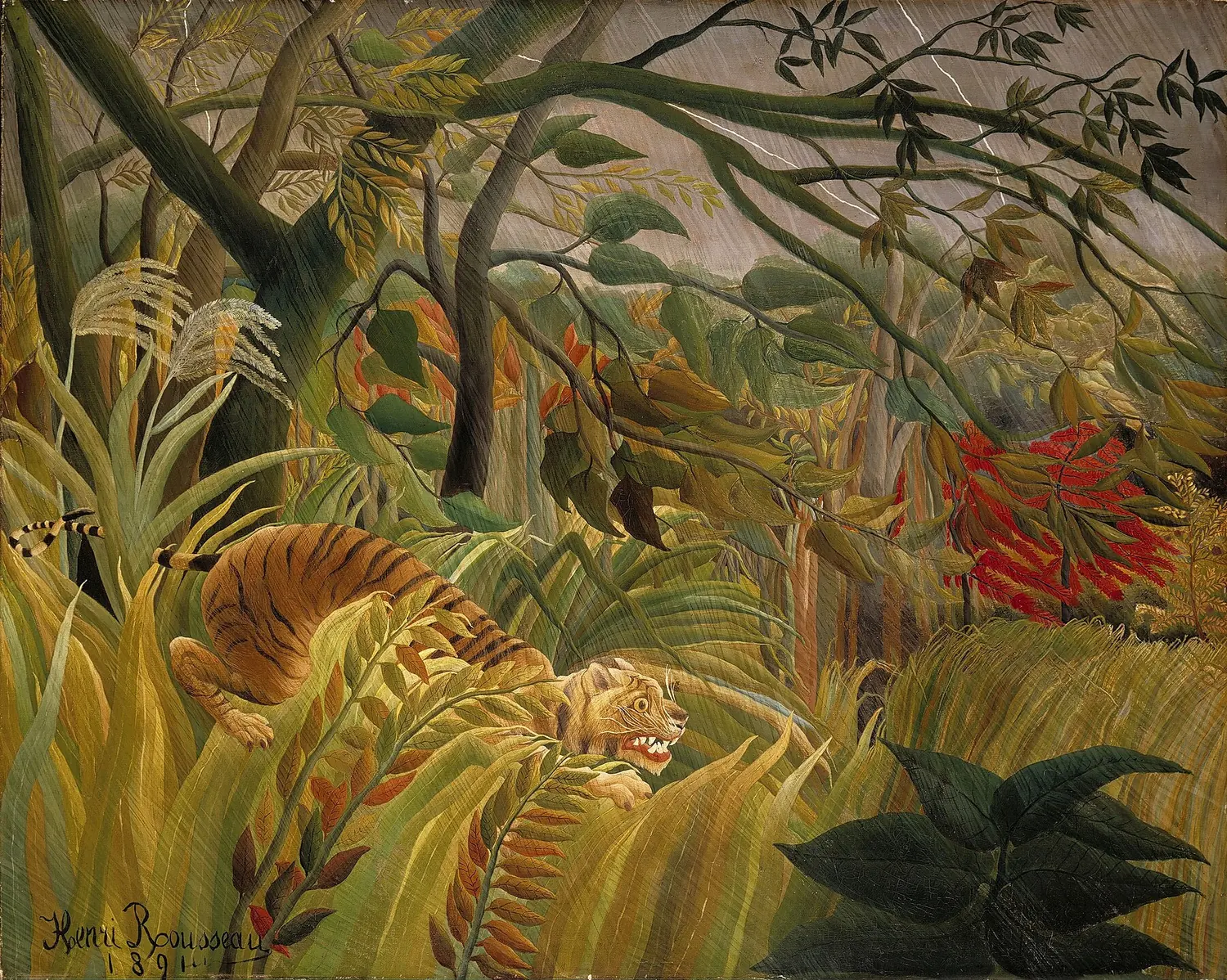
Naive art
late 19th – 20th century
Artists without academic training painted with direct sincerity: clumsy but deliberate perspective, frank colours, meticulous detail. Henri Rousseau, mocked at first, was admired by the avant-garde.
- Self-taught artists
- Frank colours and meticulous details
- Free perspective and poetry
Naive painters didn’t learn at art school. They paint in their own way, with bright colours and lots of details, as in a dream.
 Henri Rousseau
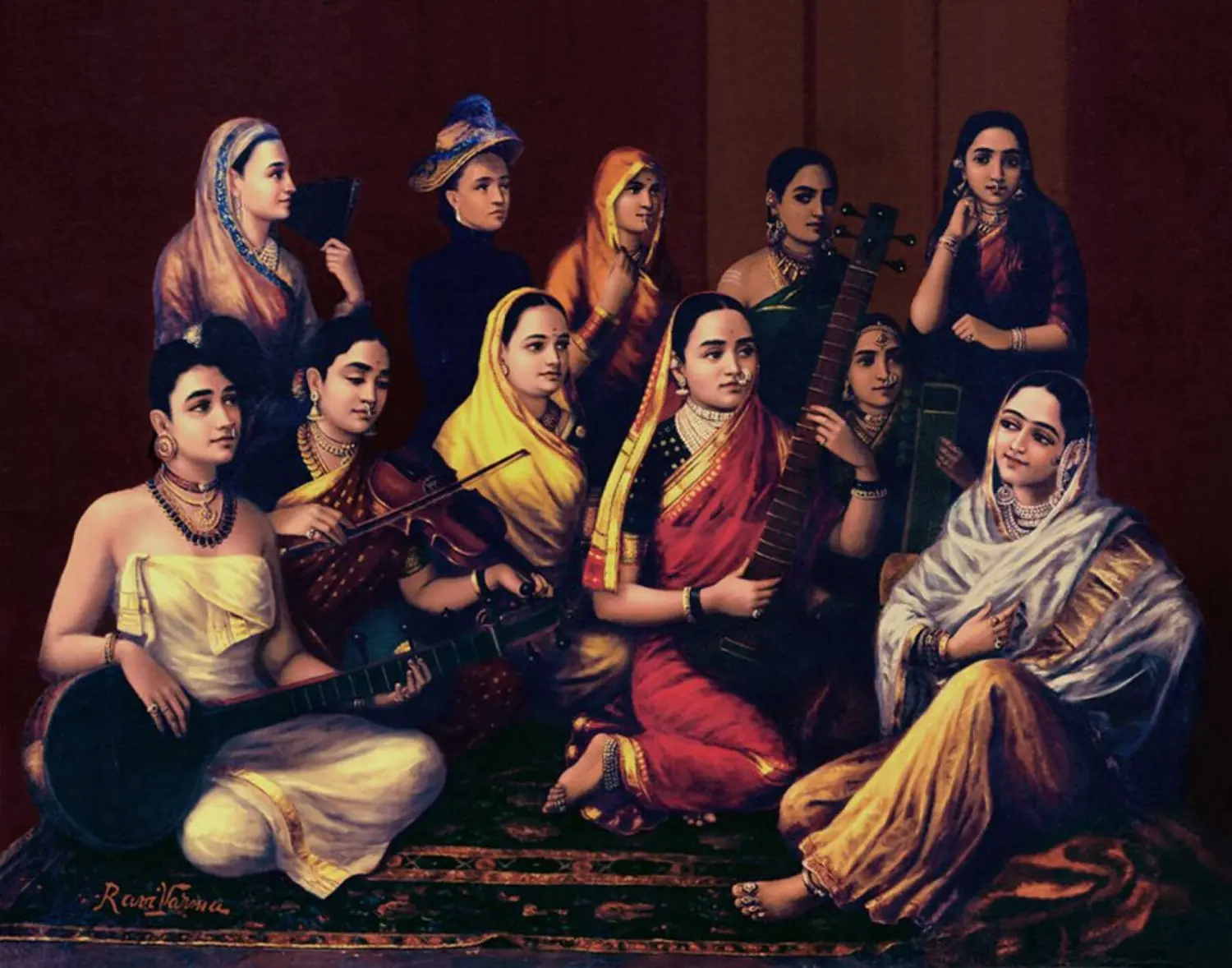
Academic painting
19th century
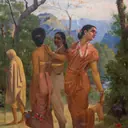
In the 19th century, academies of fine arts taught a style based on drawing, smooth finish and grand historical and mythological subjects. In India, Raja Ravi Varma adapted European oil painting to Indian stories.
- Rigorous drawing and smooth surface
- Grand historical and mythological subjects
- Taught by official schools
Official art schools taught painters to draw perfectly and paint famous stories, with very smooth paint.
 Raja Ravi Varma
Abstraction
from 1906 – 1910
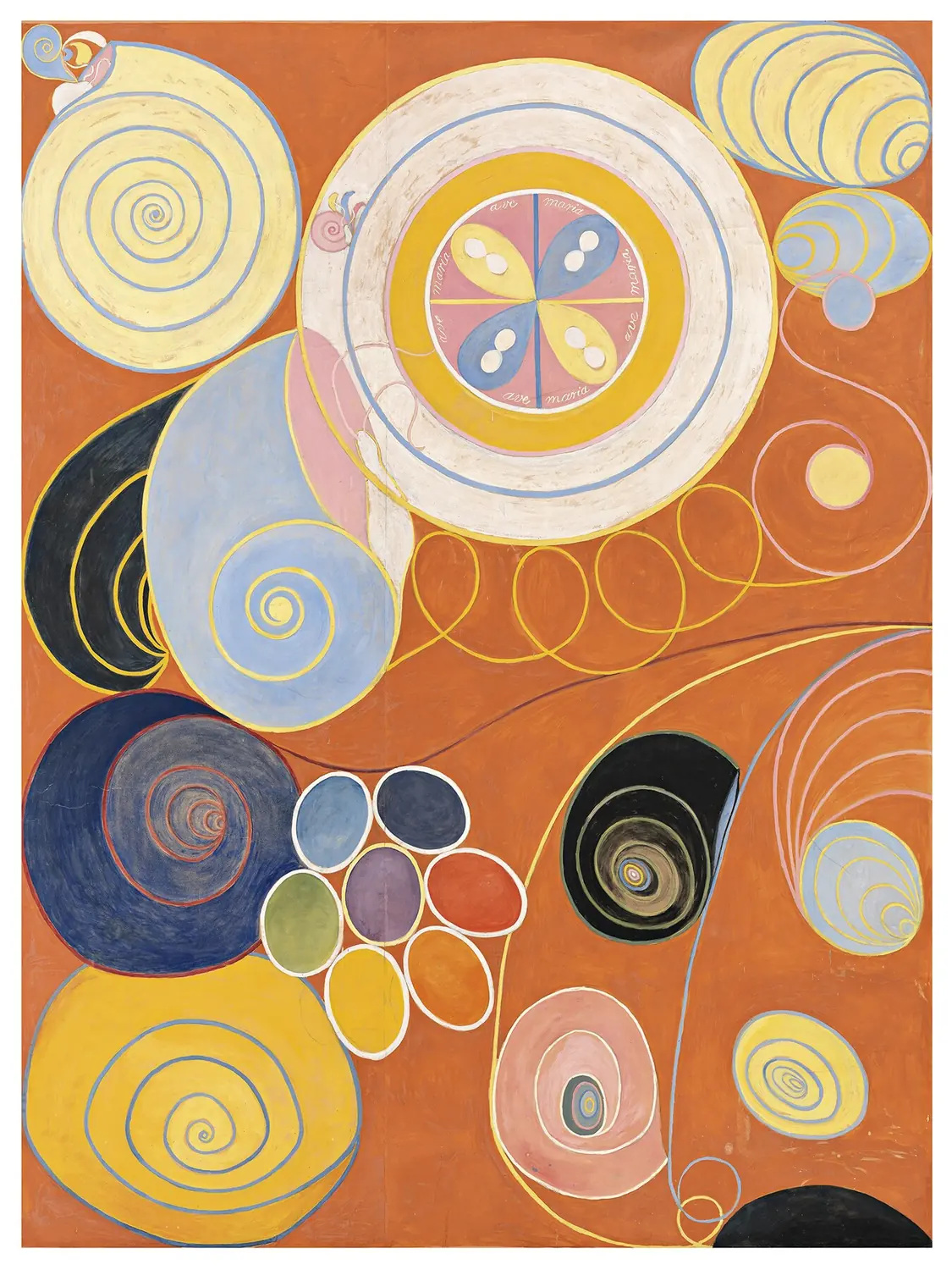
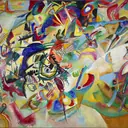
In the early 20th century, painters gave up representing objects: colours, lines and shapes were enough to create a work, like notes in music. Hilma af Klint, Kandinsky, Mondrian and Klee each explored this new language in their own way.
- No recognisable subject
- Colours, lines and shapes for their own sake
- Comparison with music
Abstract painters don’t paint houses, trees or people: only colours, lines and shapes, like music for the eyes.
 Hilma af Klint
 Wassily Kandinsky
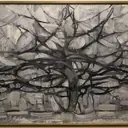 Piet Mondrian
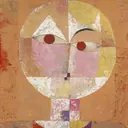 Paul Klee
Expressionism
c. 1905 – 1925
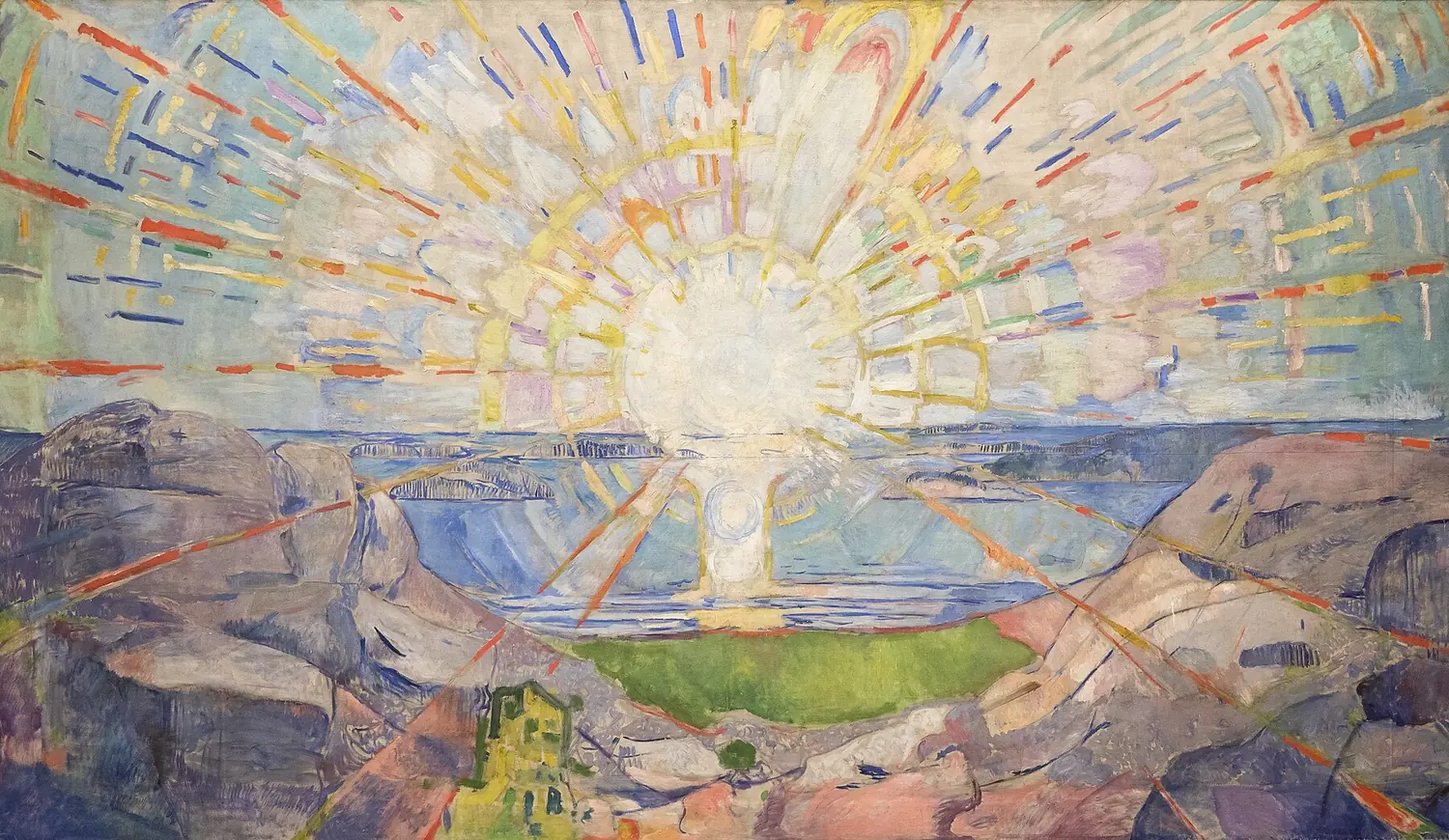
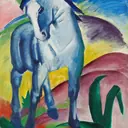
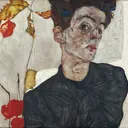
Expressionism distorted forms and exaggerated colours to express inner emotions: anxiety, revolt, spirituality. Born in Germany, Austria and Scandinavia, it extended Van Gogh and Munch.
- Inner emotions
- Violent or symbolic colours
- Distorted forms and tense lines
Expressionist painters wanted to show what you feel inside. They exaggerated colours and shapes to express joy, fear or sadness.
 Edvard Munch
 Franz Marc
 Egon Schiele
School of Paris
c. 1905 – 1940
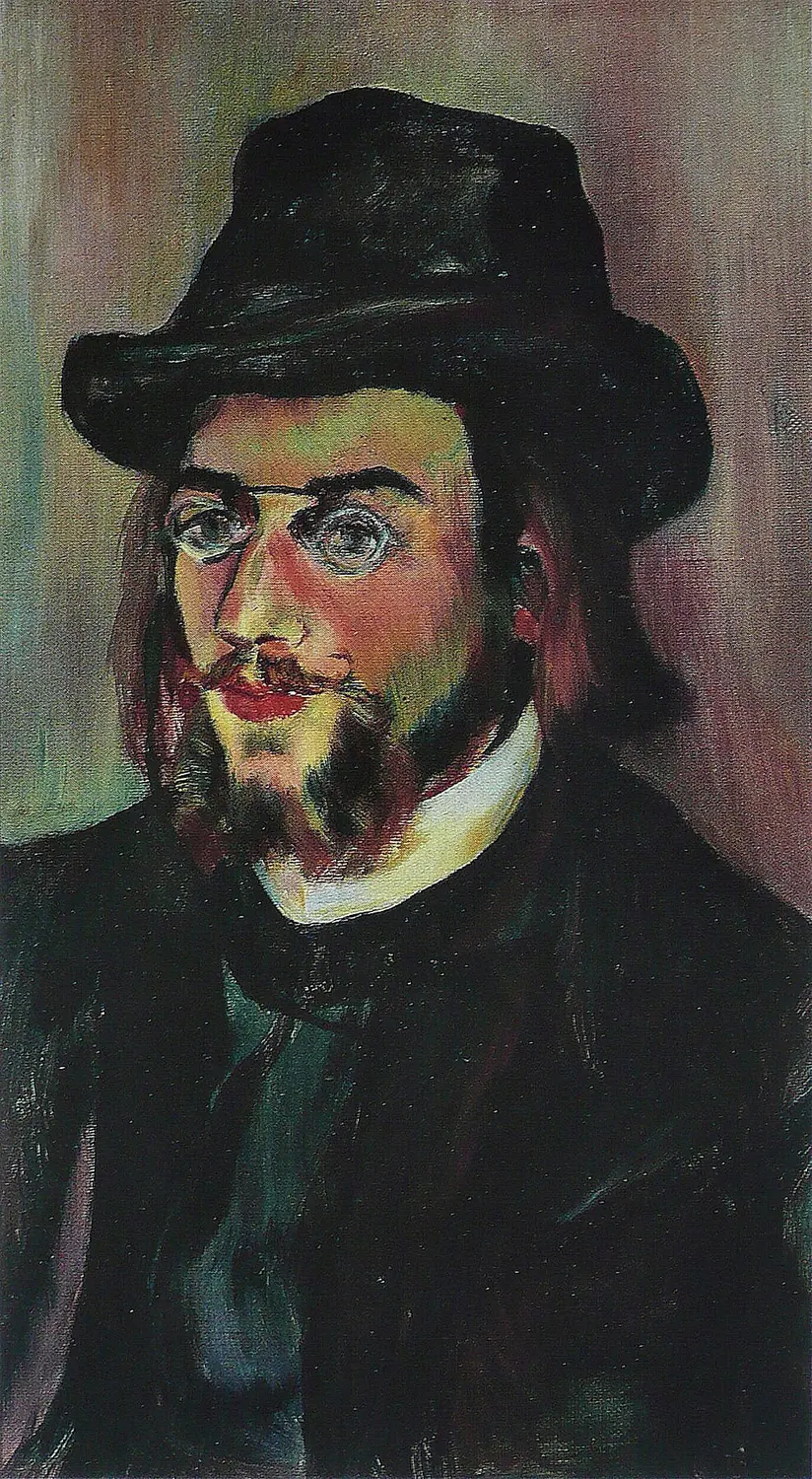
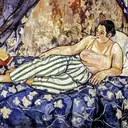
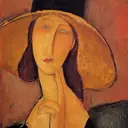
Coming from all over Europe, artists settled in Montmartre and then Montparnasse. Without forming a movement, they shared freedom of style and a bohemian life: Modigliani, Chagall, Soutine, Foujita, Suzanne Valadon and many others.
- Artists from all over the world
- Highly personal styles
- Montmartre and Montparnasse
At the start of the 20th century, artists from many countries settled in Paris. Each had their own style, but they were often neighbours and friends.
 Suzanne Valadon
 Amedeo Modigliani
Fauvism
c. 1905 – 1908
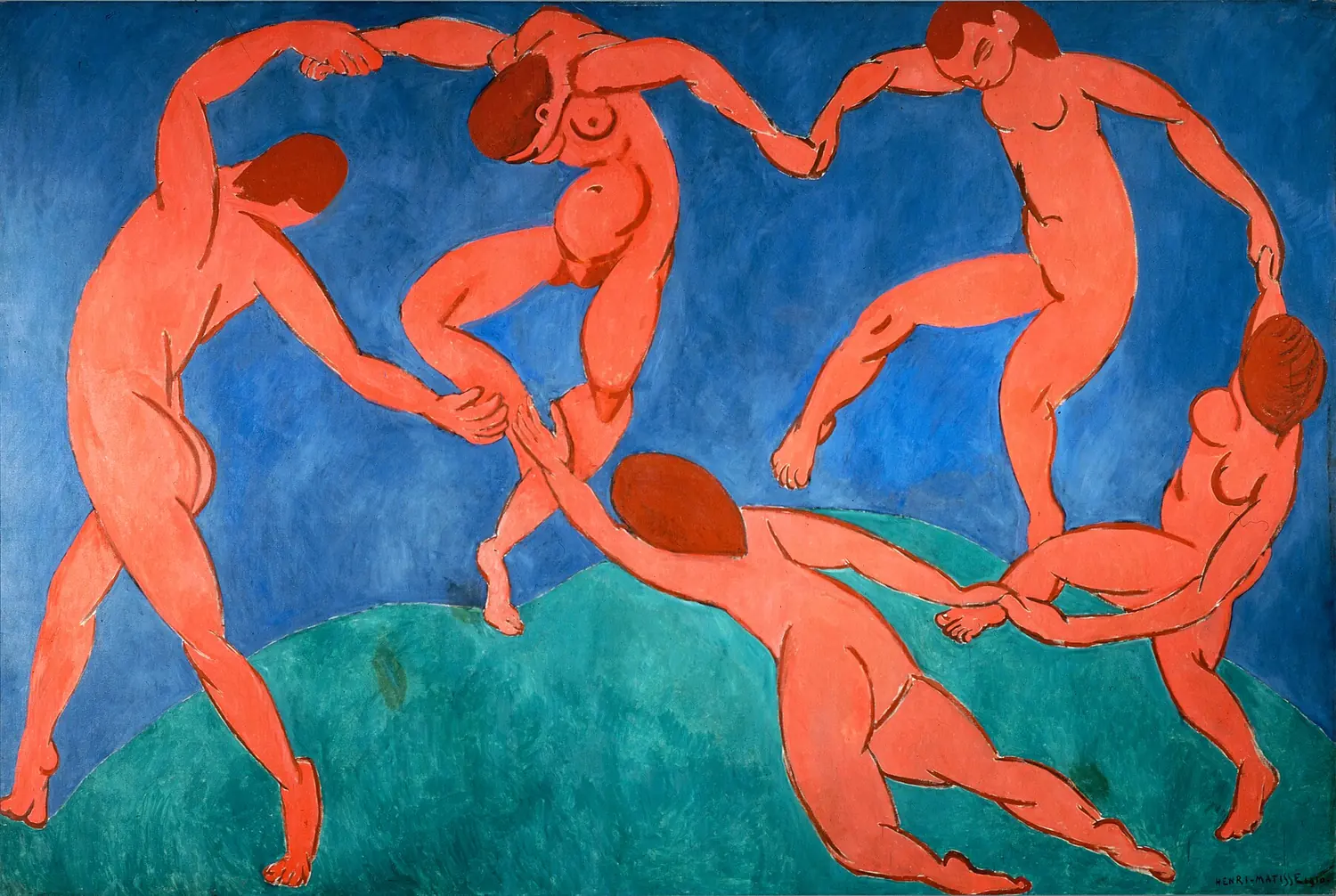
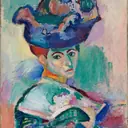
At the 1905 Salon d’Automne, canvases in pure, violent colours by Matisse, Derain and Vlaminck caused a scandal: a critic spoke of ’wild beasts’. Colour became free, independent of reality, used to construct and express.
- Pure colours, straight from the tube
- Colour freed from reality
- Simplified forms
The Fauves painted with colours so bright they were compared to wild beasts! A face could be green and a tree red.
 Henri Matisse
Cubism
c. 1907 – 1925
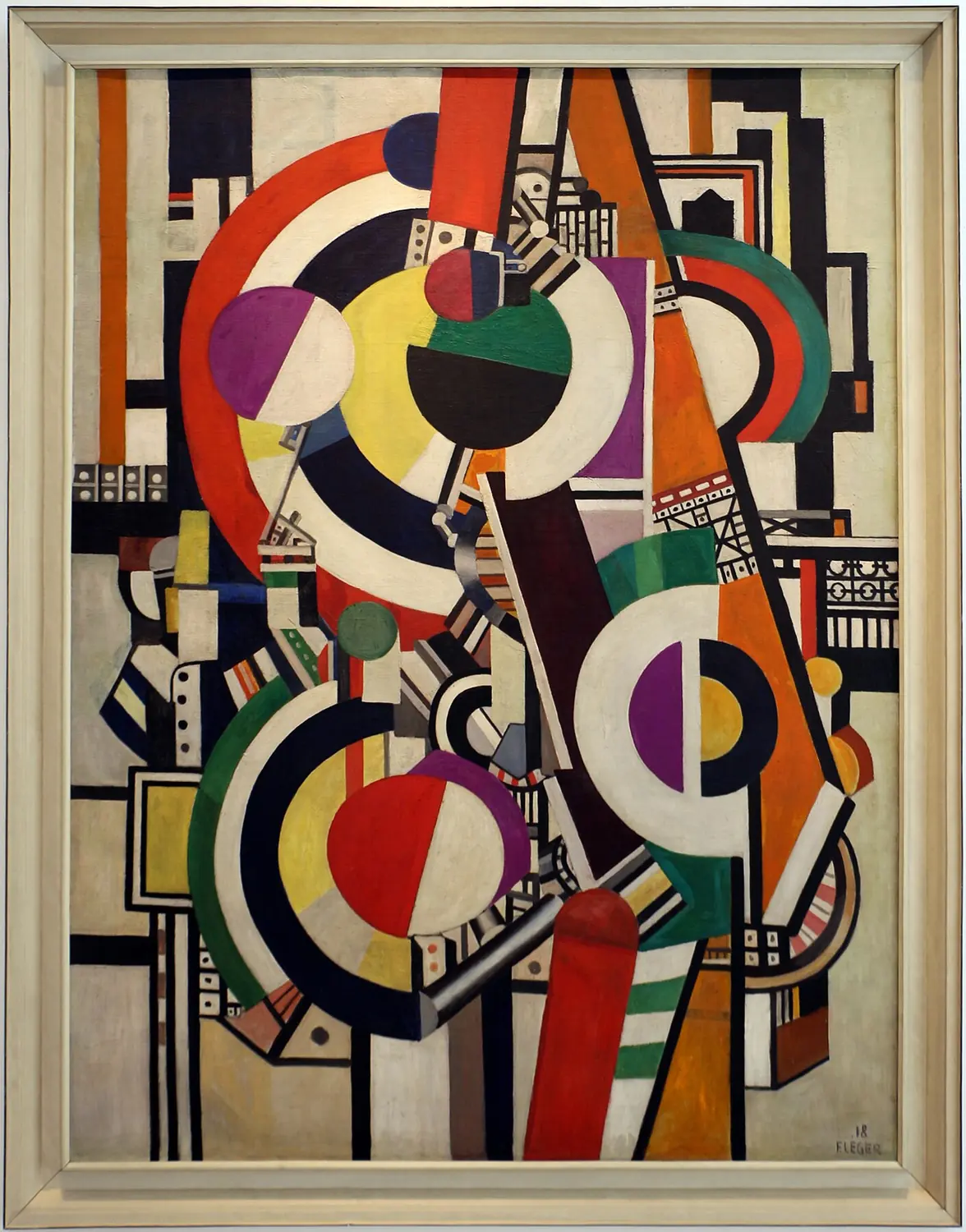
Picasso and Braque broke traditional perspective: objects are broken into facets and shown from several viewpoints at once. Collage brought pieces of the real world into the picture. Léger drew from it a painting of the machine and the city.
- Objects broken into facets
- Several viewpoints at once
- Collage and papier collé
The Cubists painted objects as if seen from several sides at the same time, in little pieces, a bit like a puzzle.
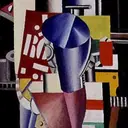 Fernand Léger
20th-century American painting
20th century
In the 20th century the United States developed its own paths: Georgia O’Keeffe’s flowers and deserts, Edward Hopper’s urban solitude, then, after 1945, Jackson Pollock’s Abstract Expressionism, which made New York a new centre of art.
- American landscapes and cities
- Silent realism or abstraction
- New York, a new centre of art
In the United States, painters showed big cities and deserts, and even invented new ways of painting, dripping paint onto canvases laid on the floor.
Surrealism
c. 1924 – 1960
Founded in Paris in 1924 around the poet André Breton, Surrealism sought to free imagination, dreams and the unconscious. Painters combined unrelated objects, created impossible images or invented signs: Dalí, Magritte, Miró.
- Dreams and the unconscious
- Unexpected combinations
- Impossible or enigmatic images
The Surrealists painted their dreams: melting clocks, floating apples, elephants with enormous legs. Anything is possible!