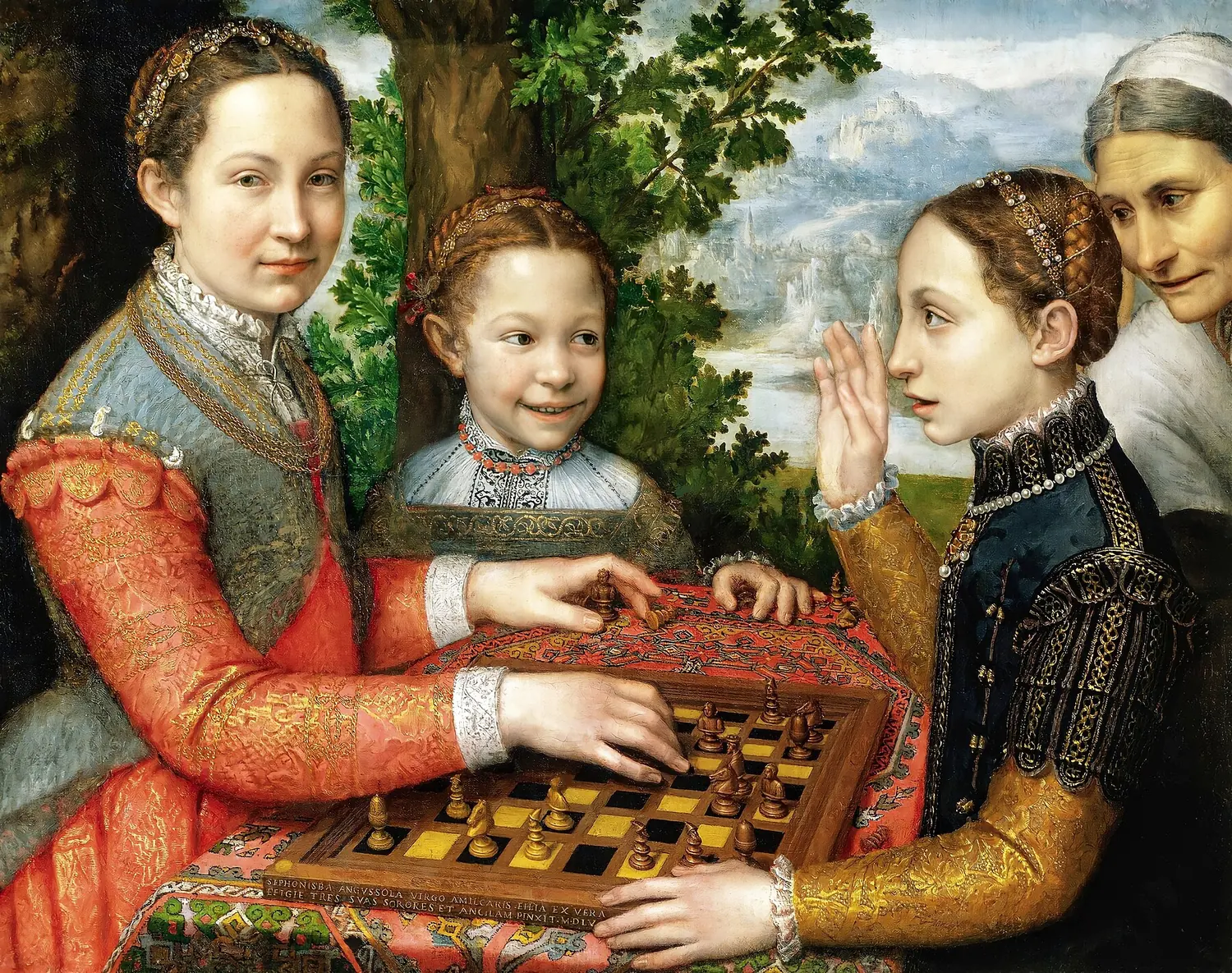
The Chess Game
Three of the painter’s sisters play chess in a garden. The eldest has just taken a piece and looks at us; the youngest bursts out laughing; a servant looks on. Rarely has a group portrait been so lively.
The first famous woman painter of the Renaissance
Encouraged by her father at a time when women could not join workshops, Sofonisba Anguissola became a painter at the Spanish court. Her lively, intimate portraits made her famous throughout Europe.
Born around 1532 in Cremona to a noble family, Sofonisba and her sisters received a full education, painting included. Michelangelo, shown one of her drawings, praised her and suggested new subjects. She painted her sisters, her parents and herself, often.
In 1559 she was called to the court of Philip II of Spain as lady-in-waiting and drawing teacher to Queen Elisabeth of Valois. She painted the royal family for fourteen years. Married, widowed and remarried, she lived in Genoa and then Palermo, where the young Van Dyck visited her in 1624. She died the following year, aged over ninety.
Sofonisba painted natural, warm portraits: smiles, knowing glances, family scenes. She observed the expressions and gestures of children and adults with great subtlety. At the Spanish court she adopted the more solemn style of royal portraiture.
Three of the painter’s sisters play chess in a garden. The eldest has just taken a piece and looks at us; the youngest bursts out laughing; a servant looks on. Rarely has a group portrait been so lively.
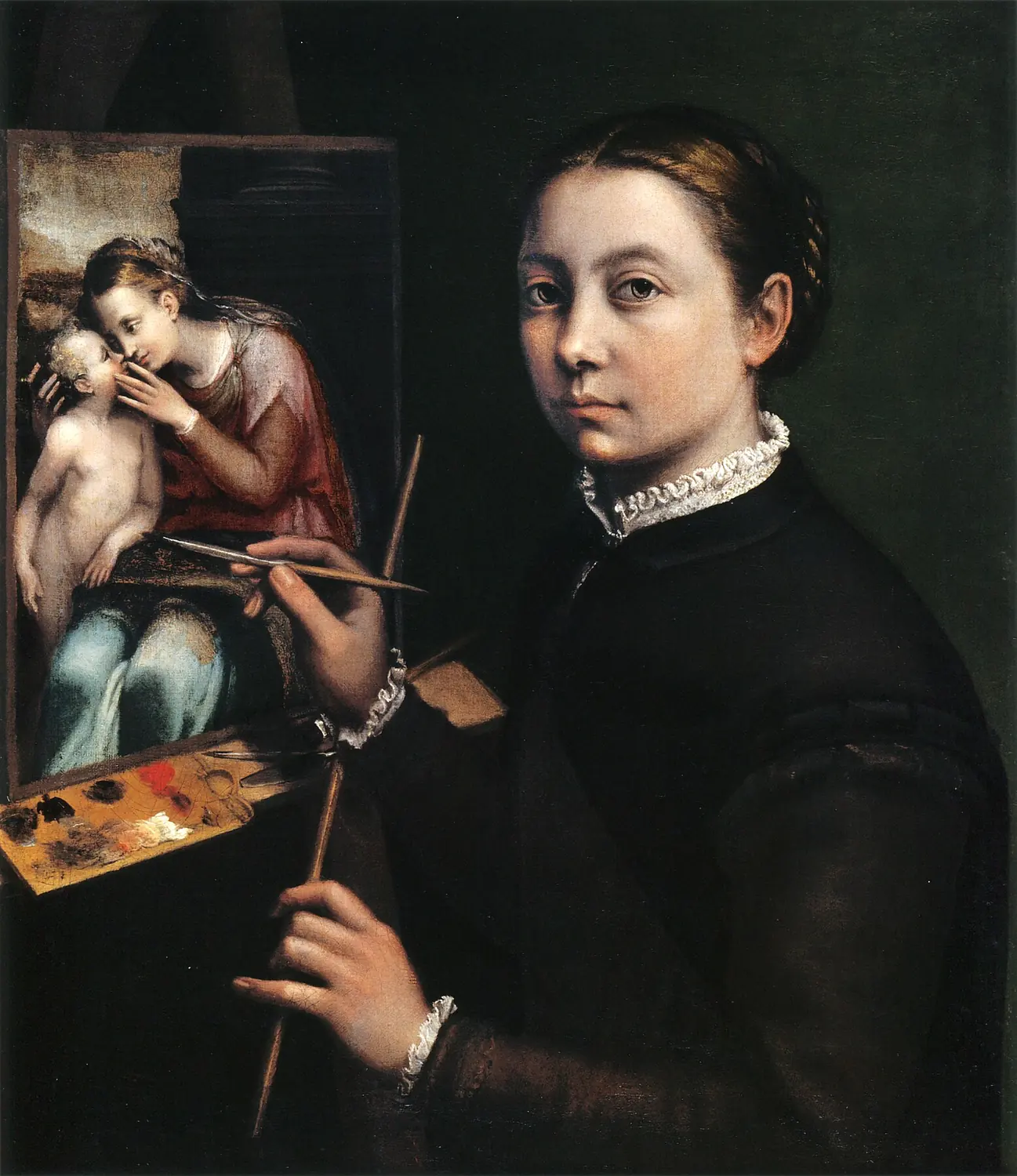
The young artist depicts herself at her easel, painting a Virgin and Child. She thus asserts her profession as a painter, exceptional for a woman of her time.
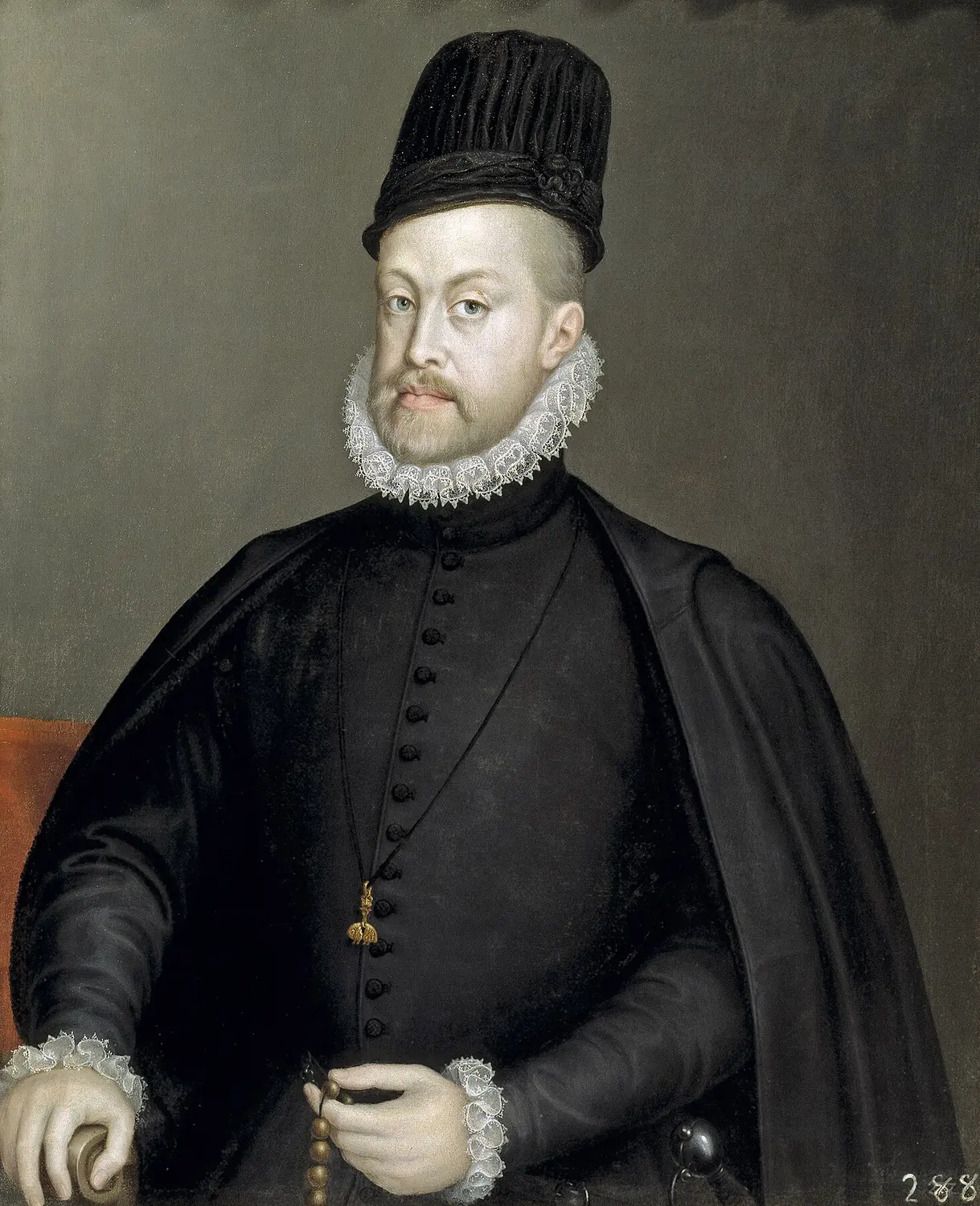
Philip II, King of Spain, holds a rosary, dressed in black. Long attributed to another court painter, this portrait was given back to Sofonisba in the 21st century.
Van Dyck, visiting her in Palermo, noted in his sketchbook that the old lady, almost blind, still had a very lively memory and mind, and that she gave him advice about light.
 Paolo Veronese
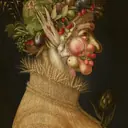 Giuseppe Arcimboldo
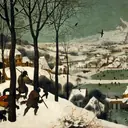 Pieter Bruegel the Elder
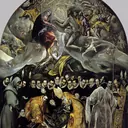 El Greco
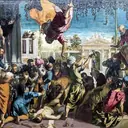 Tintoretto
 Caravaggio
 Titian
 Peter Paul Rubens