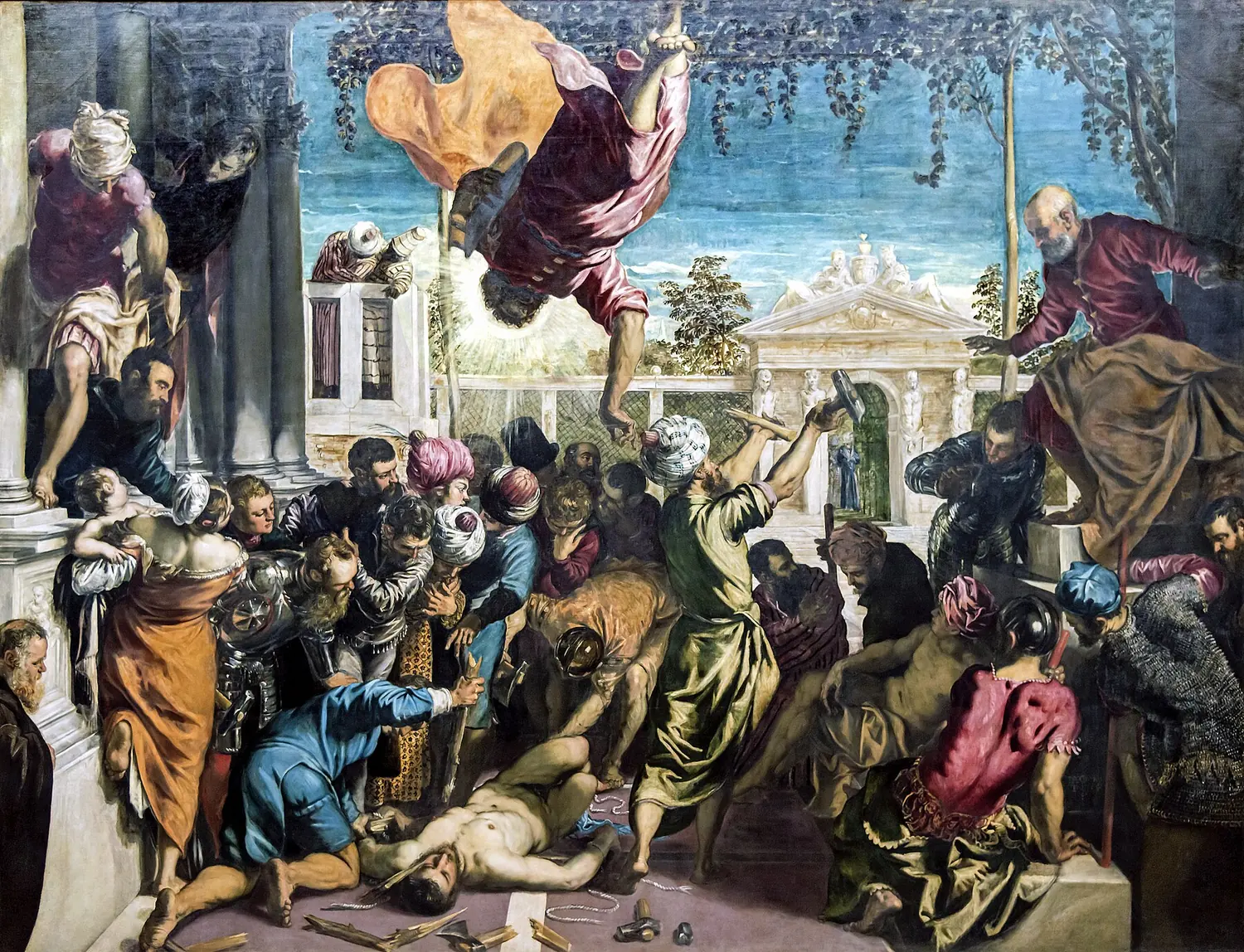
The Miracle of the Slave
Saint Mark dives head first from the sky to save a Christian slave about to be tortured. The instruments of torture shatter and the crowd stirs. The foreshortened saint, seen from below, astonished the Venetians.
The furious painter of Venice
Michelangelo’s drawing and Titian’s colour: such, they say, was Tintoretto’s motto. A painter of astonishing speed, he covered the churches and palaces of Venice with immense canvases full of movement and dramatic light.
Born in Venice in 1518, Jacopo Robusti owed his nickname to his father’s trade as a dyer (tintore): he was the ’little dyer’. He hardly ever left his city. In 1548 The Miracle of the Slave made him famous.
For twenty-three years he decorated the Scuola Grande di San Rocco with more than fifty paintings. To win the commission, he installed a finished canvas directly in the ceiling while his rivals only brought sketches. His daughter Marietta, also a painter, worked by his side. He died in Venice in 1594.
Tintoretto painted fast, with a nervous touch, hence his nickname ’il Furioso’. He composed his scenes along dizzying diagonals, with bold foreshortening, violent lighting and figures plunging through space. To prepare his compositions he arranged small wax figures in lit boxes.
Saint Mark dives head first from the sky to save a Christian slave about to be tortured. The instruments of torture shatter and the crowd stirs. The foreshortened saint, seen from below, astonished the Venetians.
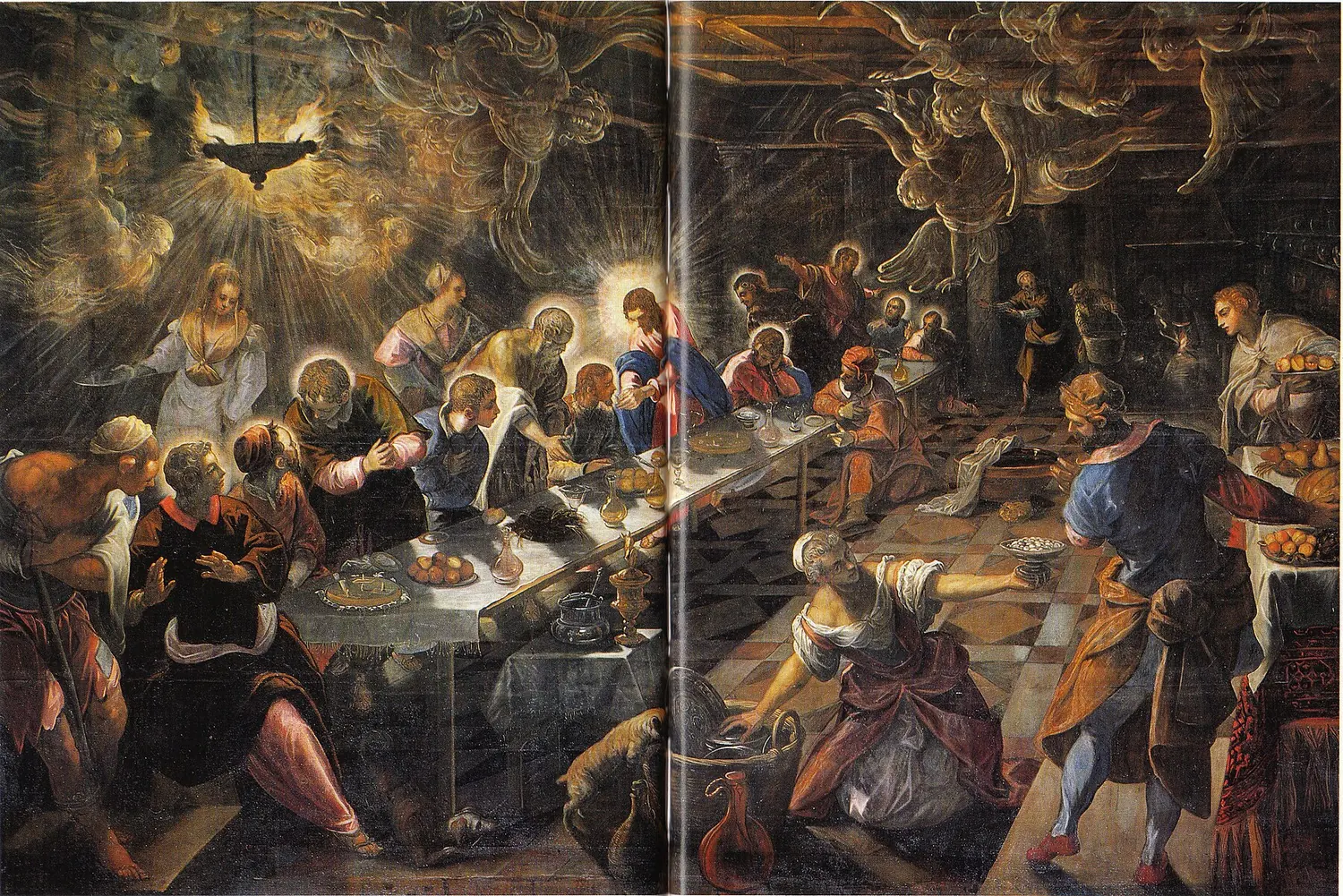
The table of the Last Supper runs diagonally into a dark room. A smoking lamp casts a light from which translucent angels emerge. In the foreground, servants bustle about: the sacred mingles with daily life.
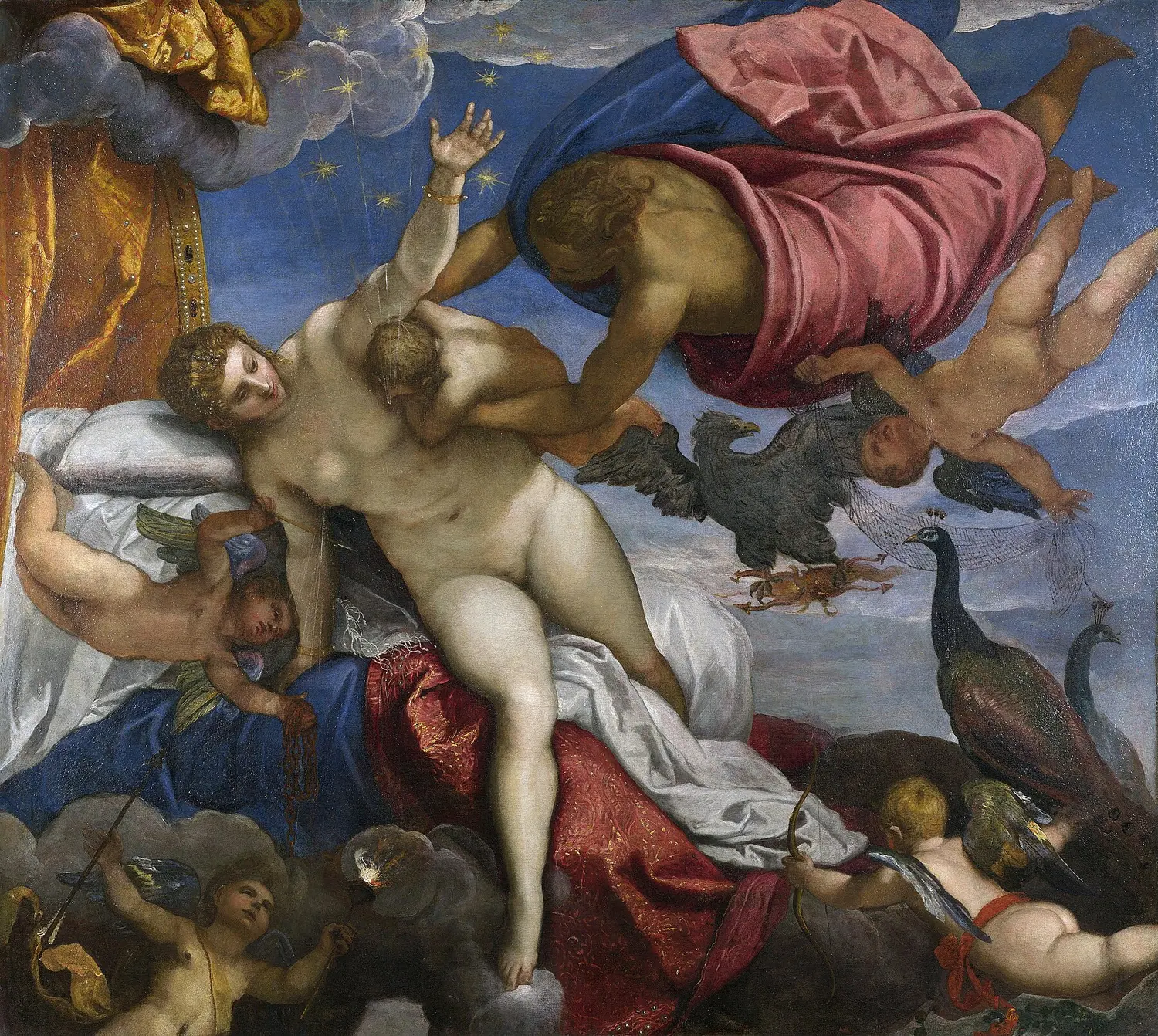
Jupiter brings the baby Hercules to the breast of the sleeping Juno to make him immortal. The milk spurts upwards and becomes the stars of the Milky Way: the Greek explanation for the name of our galaxy.
His Paradise, painted for the Doge’s Palace, is more than twenty metres long: one of the largest canvases in the world.
 Pieter Bruegel the Elder
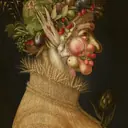 Giuseppe Arcimboldo
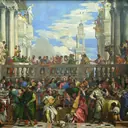 Paolo Veronese
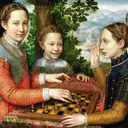 Sofonisba Anguissola
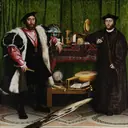 Hans Holbein the Younger
 El Greco
 Titian
 Michelangelo