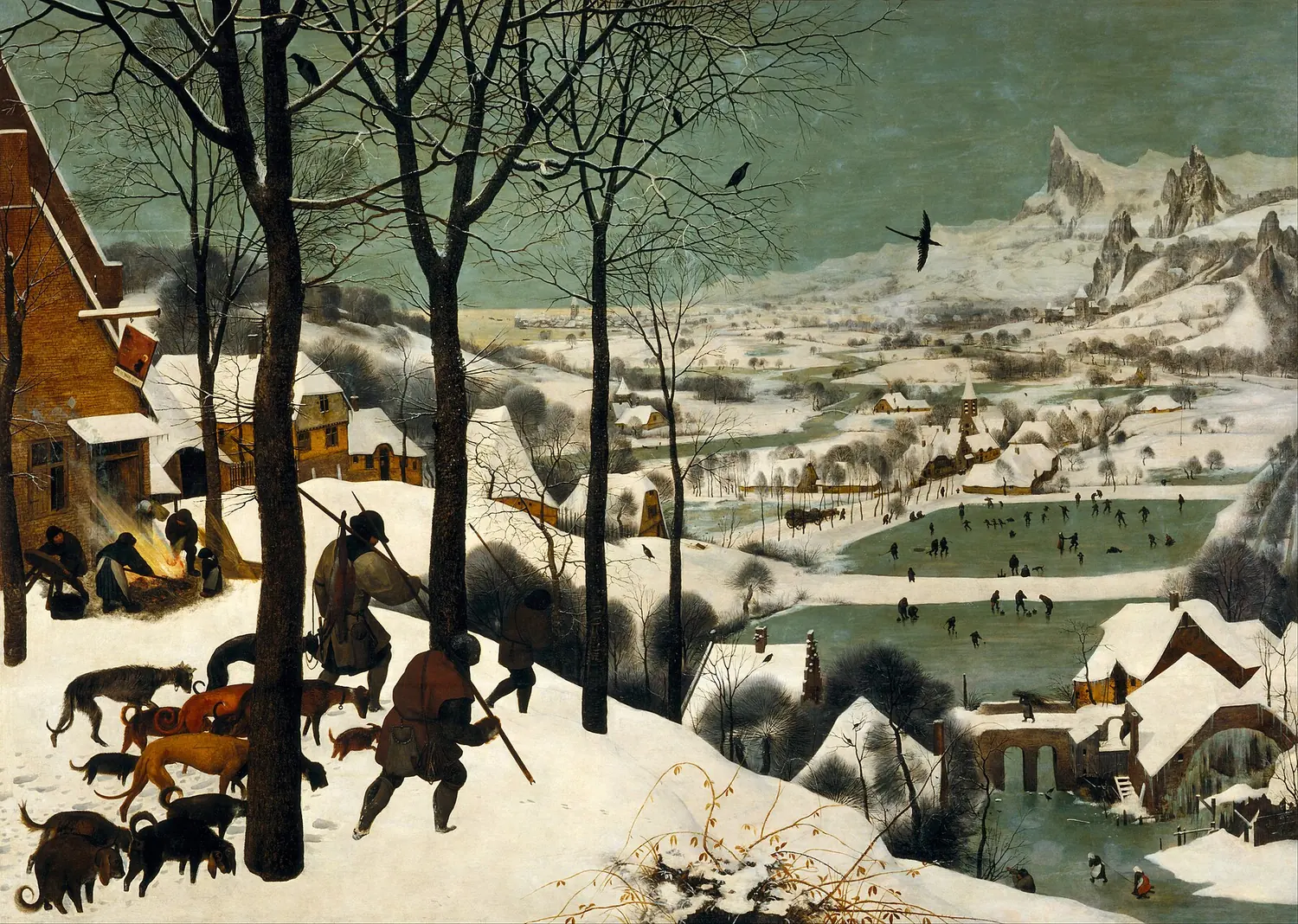
The Hunters in the Snow
Three tired hunters return to the village with their dogs under a winter sky. Below, villagers skate on frozen ponds. The eye plunges into an immense valley, all the way to the snowy mountains.
The painter of peasants and seasons
Pieter Bruegel the Elder painted the life of Flemish villages with unique humour and humanity: feasts, games, farm work, winter landscapes. His pictures teem with figures and proverbs.
Born around 1525, perhaps near Breda, Pieter Bruegel trained in Antwerp, then travelled through Italy as far as Sicily around 1552-1554. Back home he drew for the great print publisher Hieronymus Cock, including fantastic scenes in the manner of Bosch.
In 1563 he married his former master’s daughter and settled in Brussels. There he painted his masterpieces for wealthy collectors, including a series of the seasons. He died in 1569. His sons Pieter and Jan also became painters, founding a true dynasty.
Bruegel looks at the world from above, like a bird: vast landscapes, crowds of small figures busy with a thousand activities. He observed peasants without contempt, with a funny and tender eye for detail. His clear, frank colours capture the light of the seasons.
Three tired hunters return to the village with their dogs under a winter sky. Below, villagers skate on frozen ponds. The eye plunges into an immense valley, all the way to the snowy mountains.
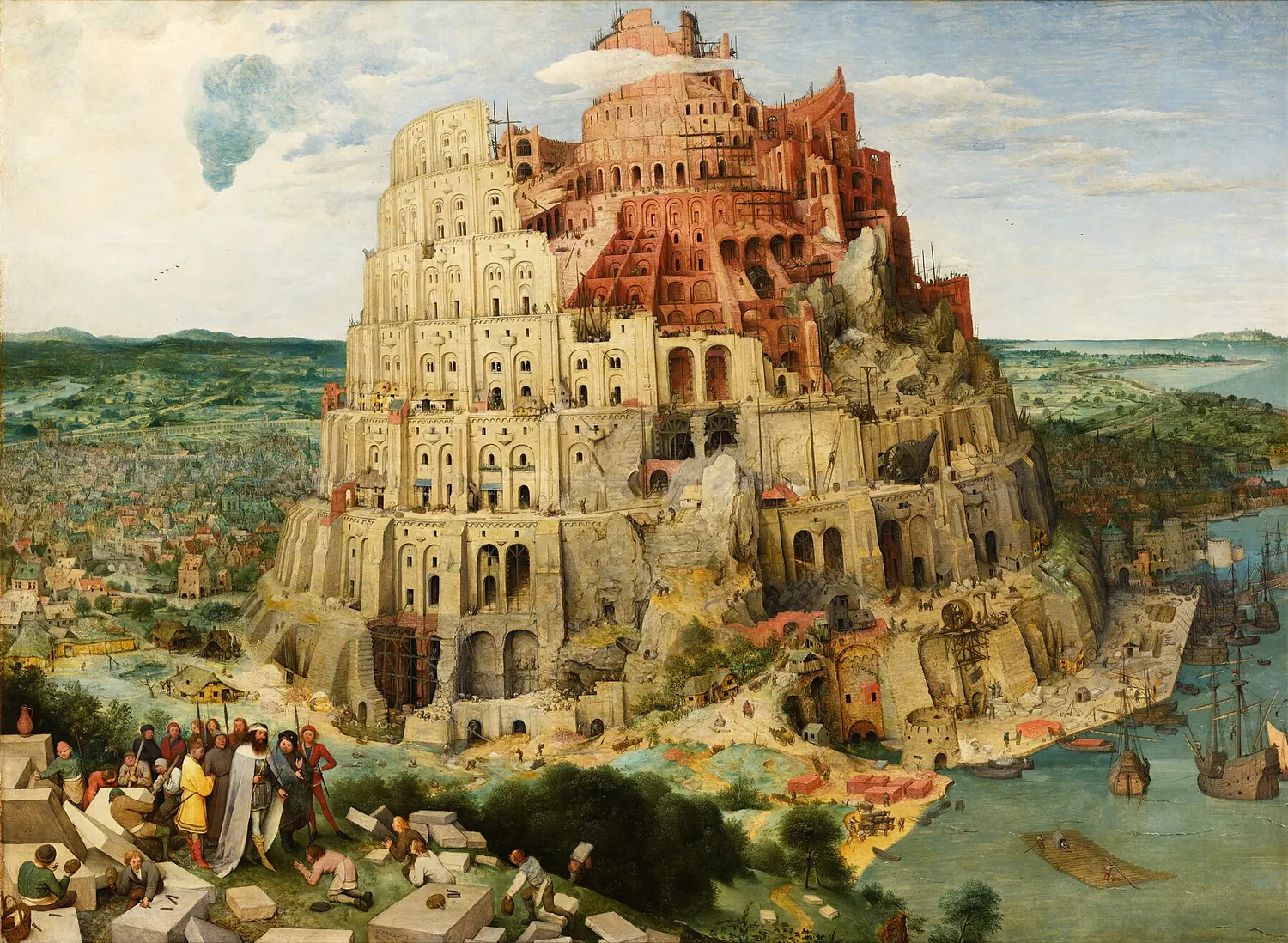
A gigantic tower, inspired by the Colosseum in Rome, rises to the clouds. Hundreds of tiny workers labour on it with cranes and scaffolding. In the foreground, King Nimrod inspects the building site.
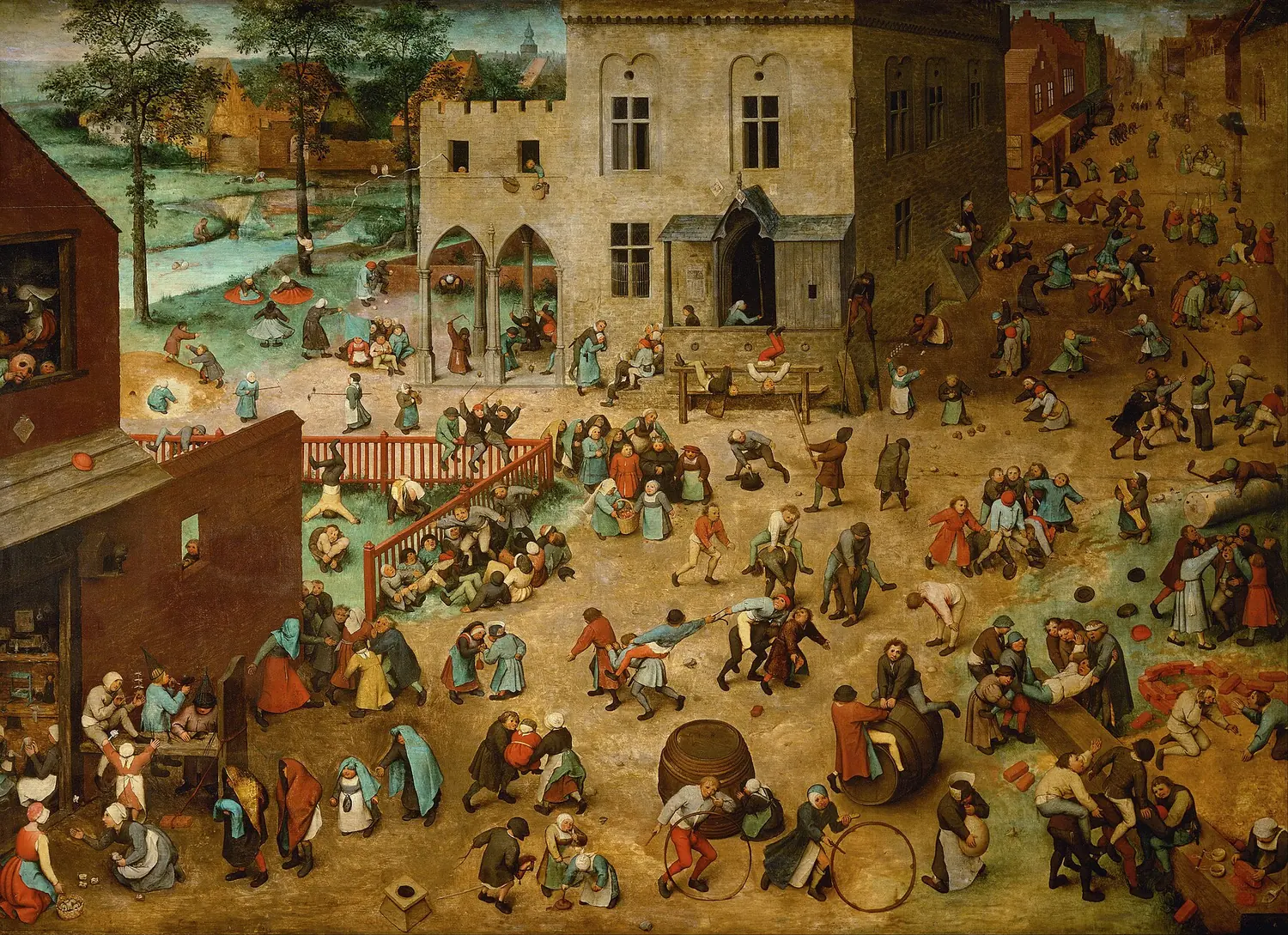
On a village square, some two hundred children play more than eighty games: hoops, stilts, spinning tops, blind man’s buff, leapfrog, soap bubbles… A true catalogue of games of the past.
According to his first biographer, Bruegel liked to dress up as a peasant with a friend to go to village weddings and fairs, to observe people up close.
 Giuseppe Arcimboldo
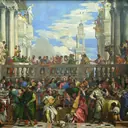 Paolo Veronese
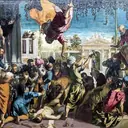 Tintoretto
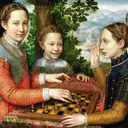 Sofonisba Anguissola
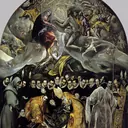 El Greco
 Hans Holbein the Younger
 Titian
 Michelangelo