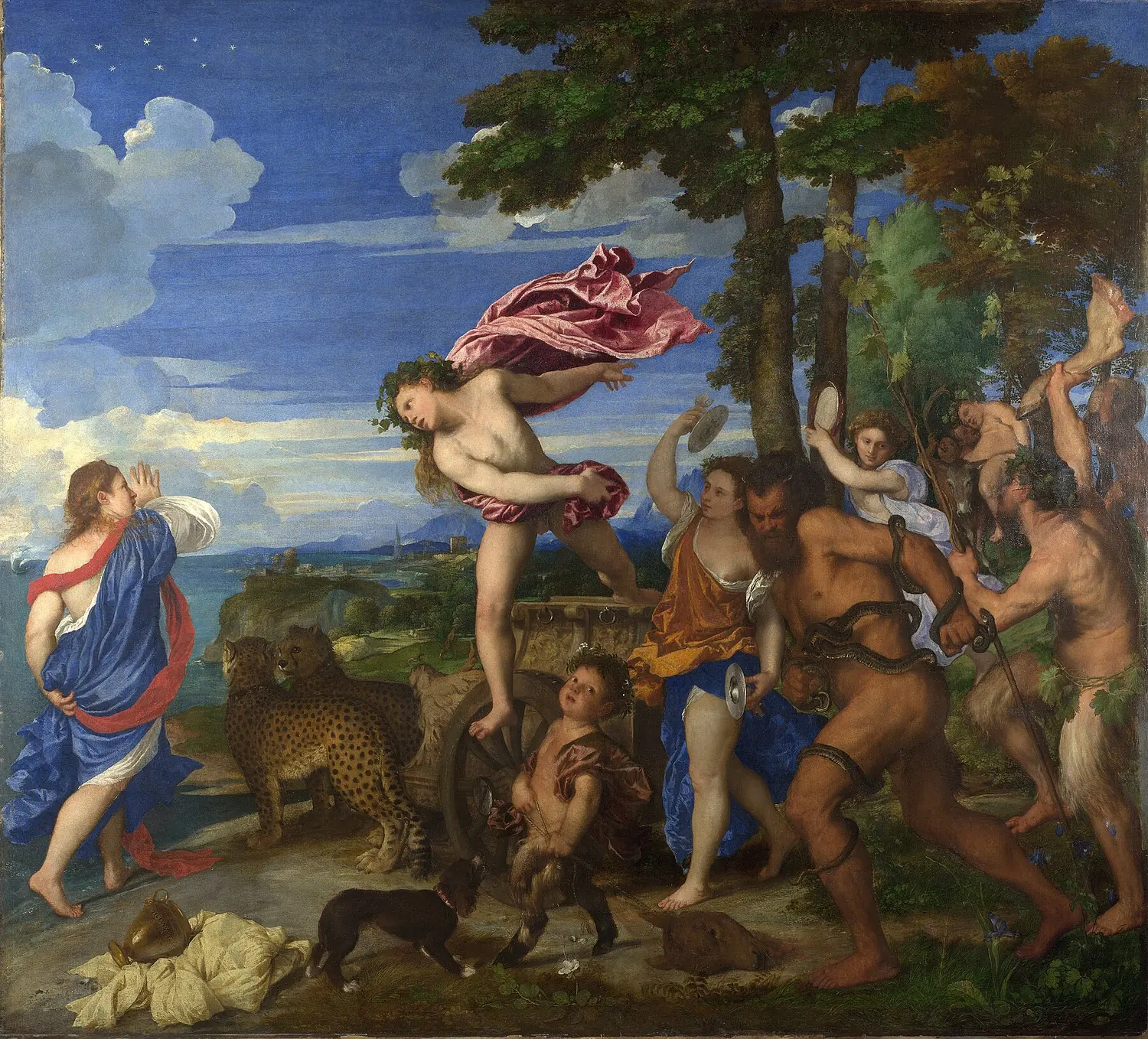
Bacchus and Ariadne
Bacchus, god of wine, leaps from his chariot drawn by two cheetahs to join Ariadne, abandoned on a beach. His joyful procession dances behind him. In the ultramarine sky shine the stars of Ariadne’s crown.
The prince of Venetian colour
Painter to popes, kings and Emperor Charles V, Titian dominated Venetian painting for sixty years. His warm colours and increasingly free brushwork opened the way for Rubens, Velázquez and Rembrandt.
Born around 1488 in Pieve di Cadore, in the Dolomites, Tiziano Vecellio came to Venice as a child. He trained with Giovanni Bellini and worked with Giorgione. In 1518 his huge Assumption for the Frari church made him famous overnight.
Europe’s greatest princes competed for his portraits and mythological pictures: the dukes of Ferrara and Mantua, Pope Paul III, Emperor Charles V and his son Philip II of Spain. Still active at nearly ninety, he died in Venice in 1576 during a plague epidemic.
Titian built his pictures with colour rather than drawing: deep reds, ultramarine blues, golden flesh. In his last years he painted ever more freely, sometimes with his fingers, in superimposed layers that give the paint a new vibration.
Bacchus, god of wine, leaps from his chariot drawn by two cheetahs to join Ariadne, abandoned on a beach. His joyful procession dances behind him. In the ultramarine sky shine the stars of Ariadne’s crown.
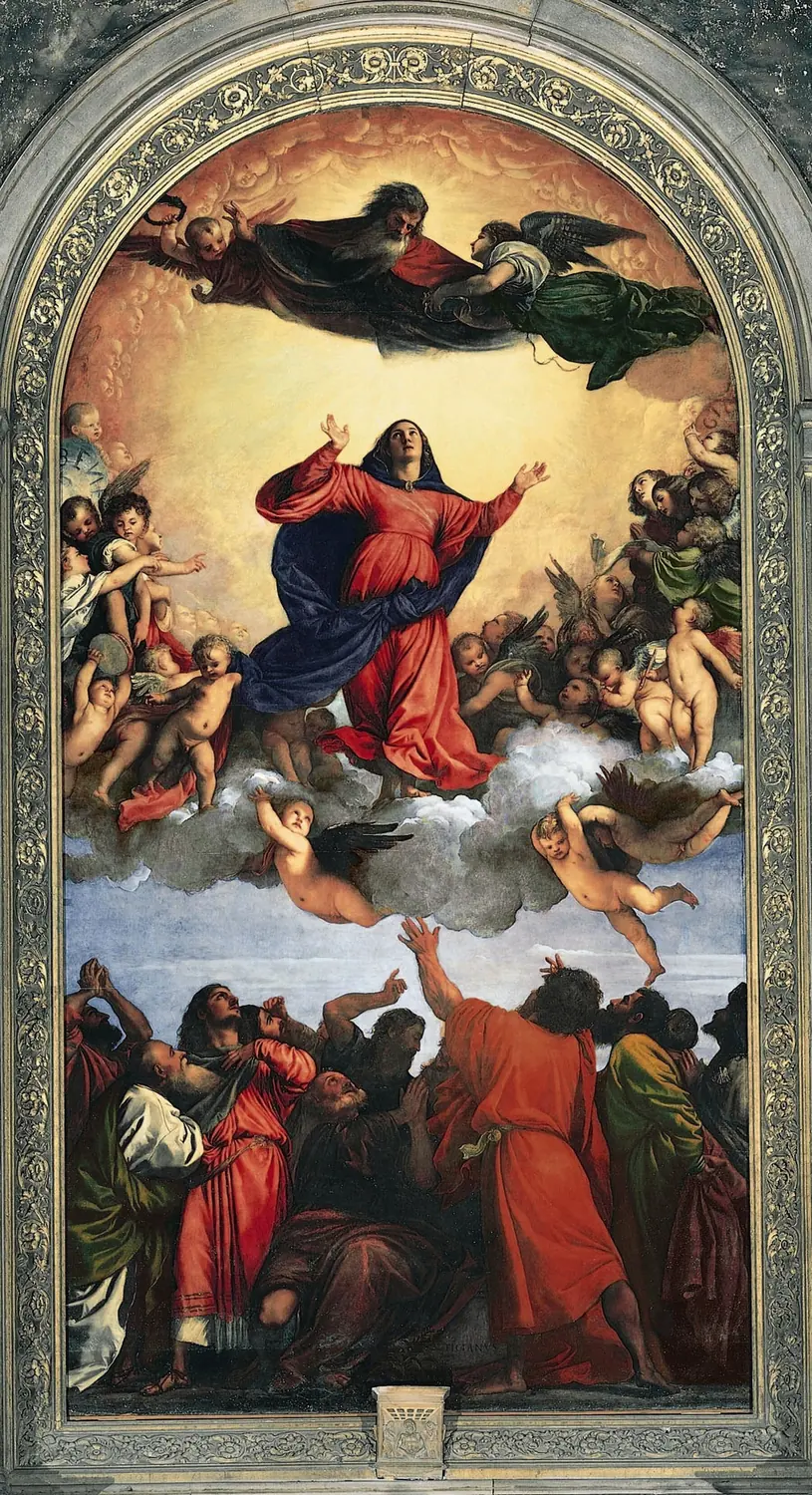
Almost seven metres high, this canvas shows the Virgin carried to heaven on a cloud of cherubs, watched by the astonished apostles. The brilliant red of the garments links the three tiers of the composition.
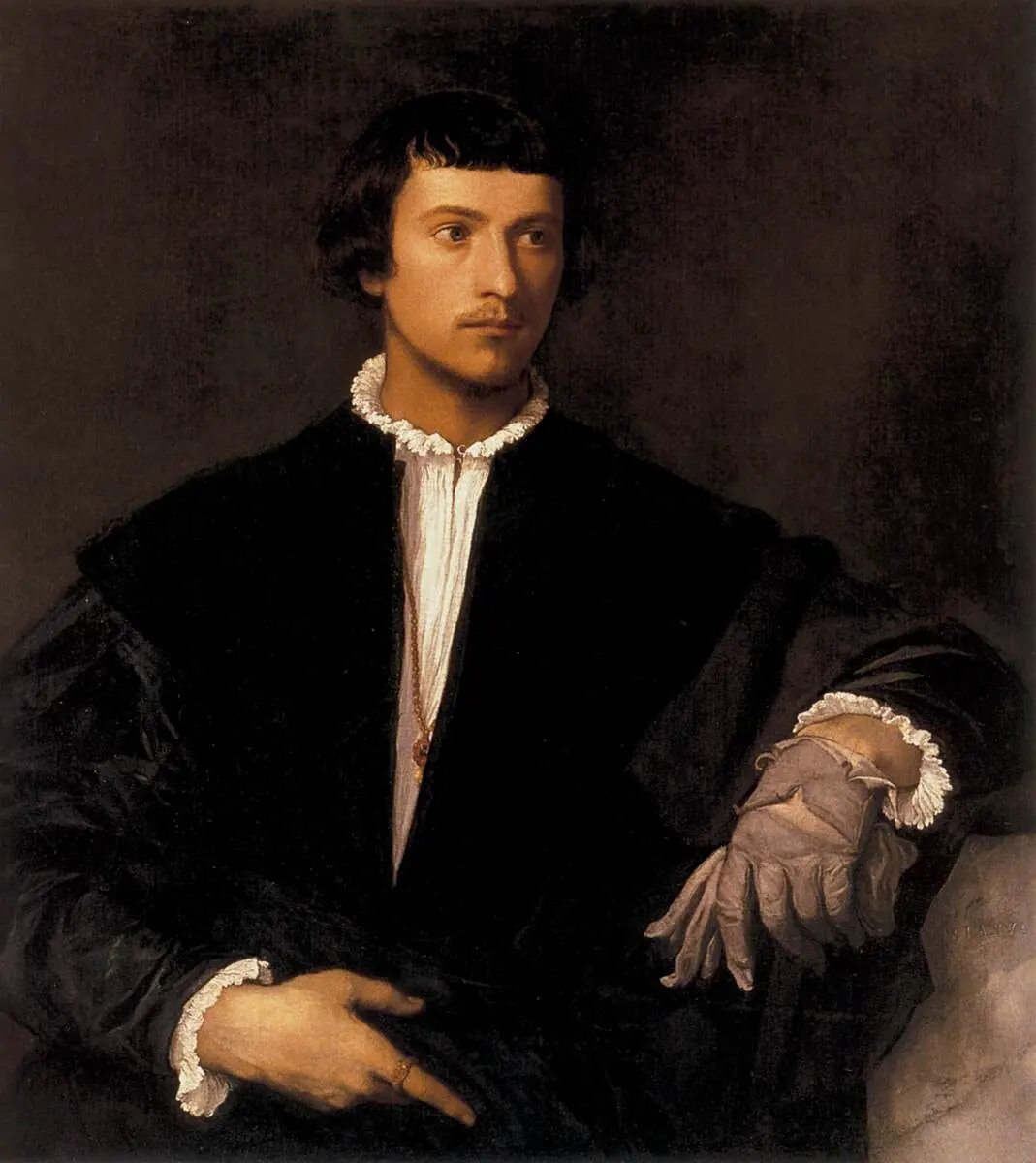
A young man dressed in black, a chain around his neck, holds a glove in his right hand. The distant gaze, natural pose and light sculpting the face make this one of the most elegant portraits of the Renaissance.
A famous anecdote says that Charles V, visiting the studio, picked up a brush that had fallen from Titian’s hand, an unheard-of gesture for an emperor.
 Raphael
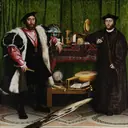 Hans Holbein the Younger
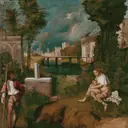 Giorgione
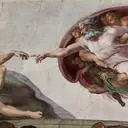 Michelangelo
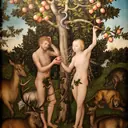 Lucas Cranach the Elder
 Albrecht Dürer
 Tintoretto
 Leonardo da Vinci