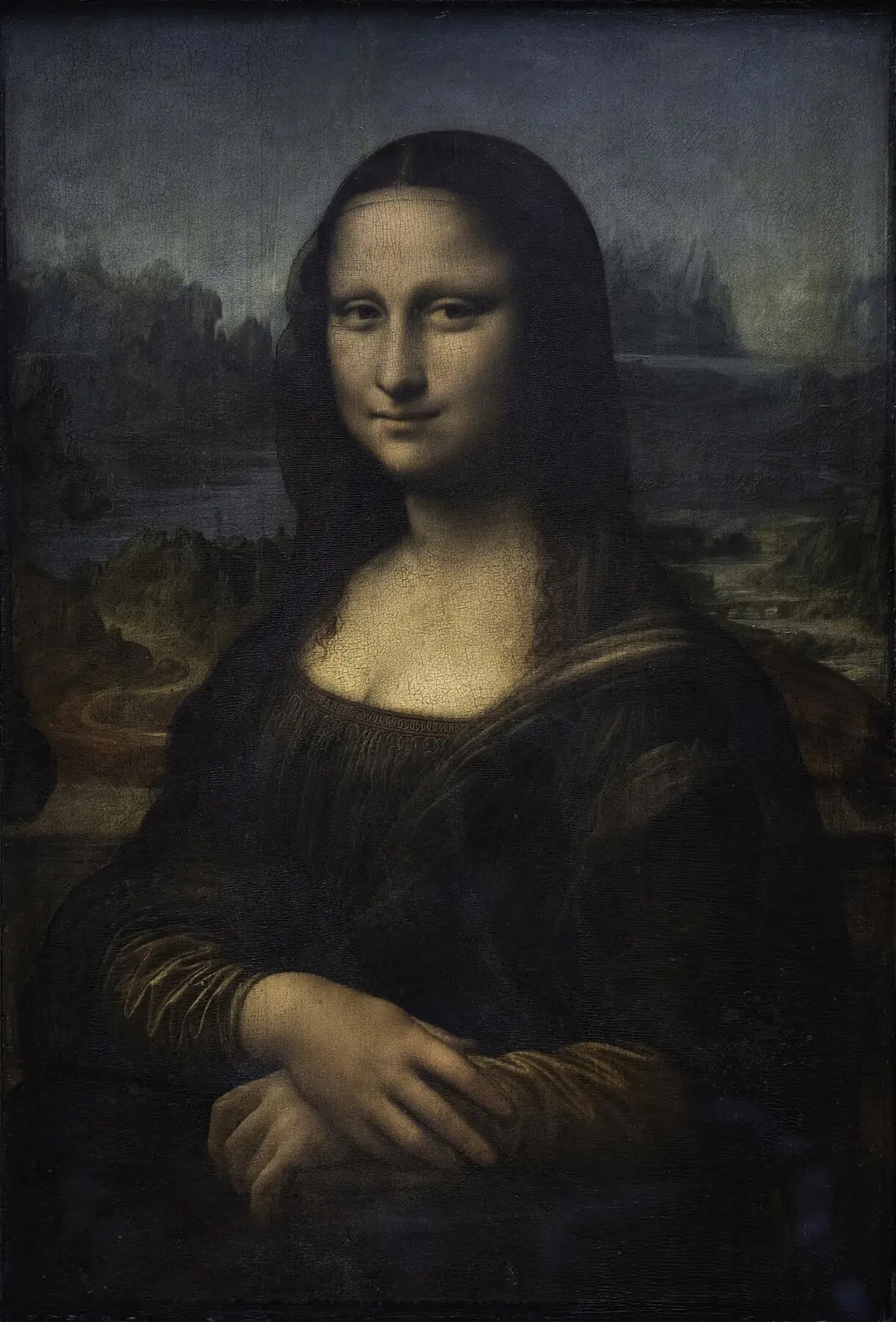
Mona Lisa
Lisa Gherardini, wife of a Florentine merchant, poses before a landscape of mountains and rivers. Her smile seems to change depending on where you look, thanks to the sfumato that softens the corners of her lips and eyes.
The universal genius of the Renaissance
Painter, engineer, anatomist, inventor: Leonardo da Vinci wanted to understand everything. He finished only about fifteen paintings, but two of them, the Mona Lisa and the Last Supper, are among the most famous in the world.
Born in 1452 in Vinci, Tuscany, the illegitimate son of a notary, Leonardo entered Verrocchio’s workshop in Florence at fifteen. In 1482 he left for Milan to serve Duke Ludovico Sforza: there he painted the Last Supper, prepared a giant equestrian statue, staged festivities and filled notebooks with sketches and machines.
After the duke’s fall he travelled between Florence, Milan and Rome. Around 1503 he began the portrait of Lisa Gherardini, the Mona Lisa, which he kept with him to the end. In 1516 King Francis I invited him to France, to the manor of Clos Lucé near Amboise. He died there in 1519.
Leonardo invented sfumato: he layered paint so thinly that outlines melt into a soft haze. He studied anatomy, light, water, plants and aerial perspective, which turns distances blue. His notebooks, written in mirror script from right to left, run to thousands of pages.
Lisa Gherardini, wife of a Florentine merchant, poses before a landscape of mountains and rivers. Her smile seems to change depending on where you look, thanks to the sfumato that softens the corners of her lips and eyes.
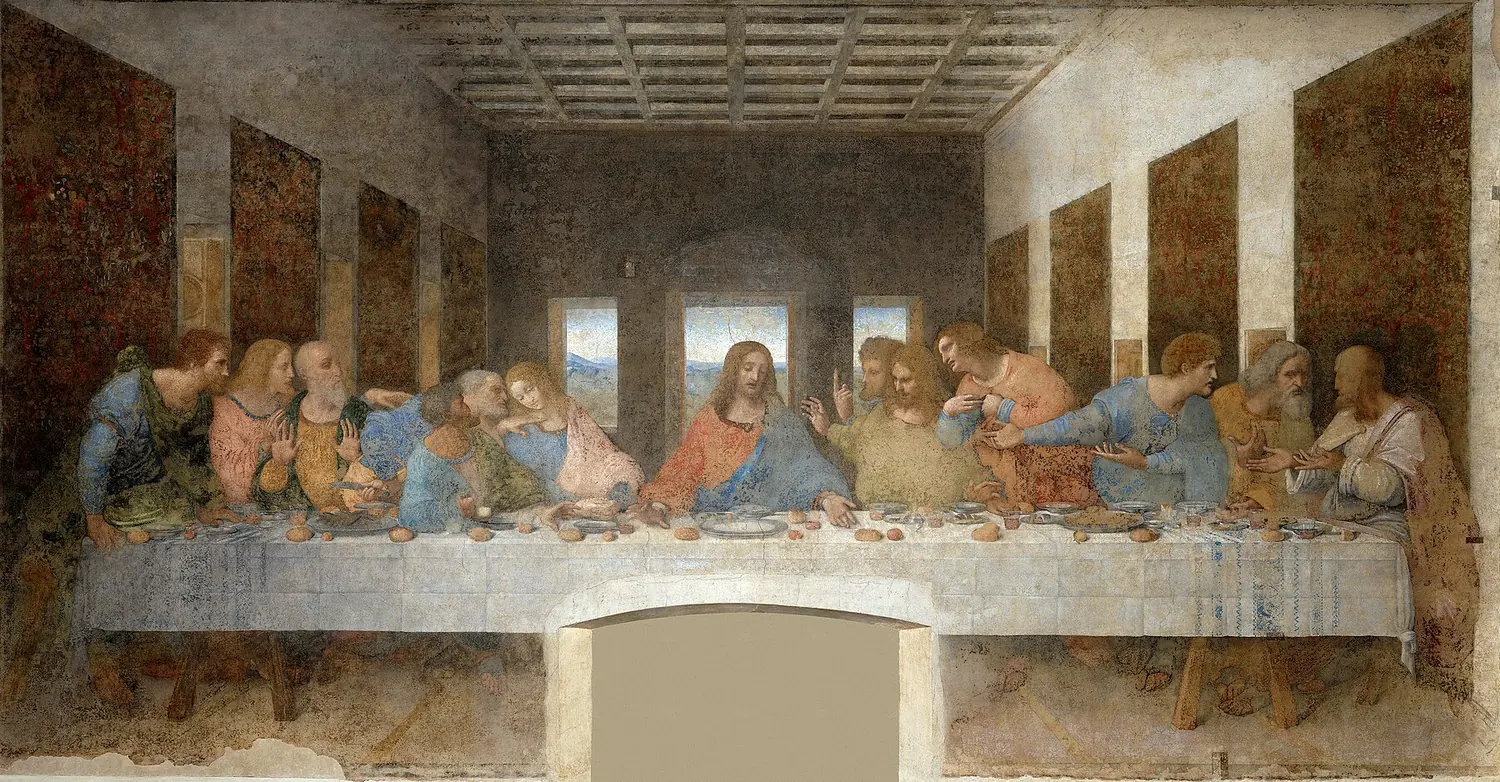
Christ has just announced that one of the apostles will betray him. The twelve react in groups of three, with surprise, anger or sorrow. All the lines of the room converge on Christ’s head. The experimental paint began to decay in Leonardo’s own lifetime.
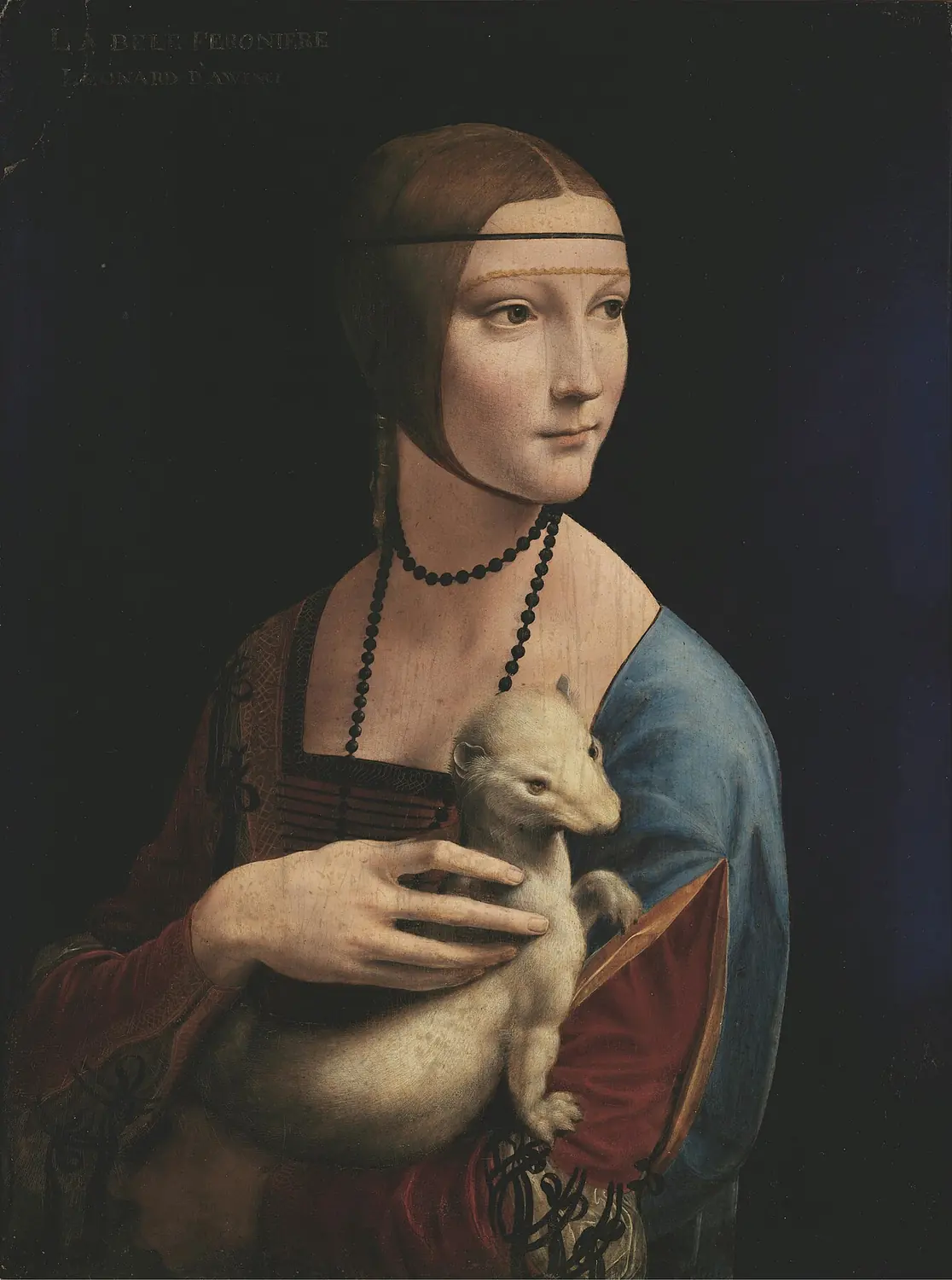
Cecilia Gallerani, a young woman of the Milanese court, turns her head as if someone had called her. She holds an ermine, a small white animal symbolising purity and the emblem of Duke Ludovico Sforza.
In 1911 the Mona Lisa was stolen from the Louvre by an Italian workman, Vincenzo Peruggia. It was found only two years later, in Florence. The theft made the painting famous worldwide.
 Kamāl ud-Dīn Behzād
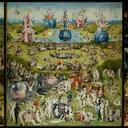 Hieronymus Bosch
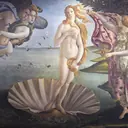 Sandro Botticelli
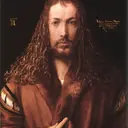 Albrecht Dürer
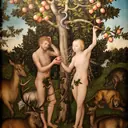 Lucas Cranach the Elder
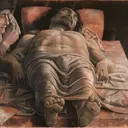 Andrea Mantegna
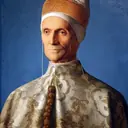 Giovanni Bellini
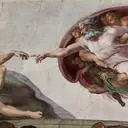 Michelangelo