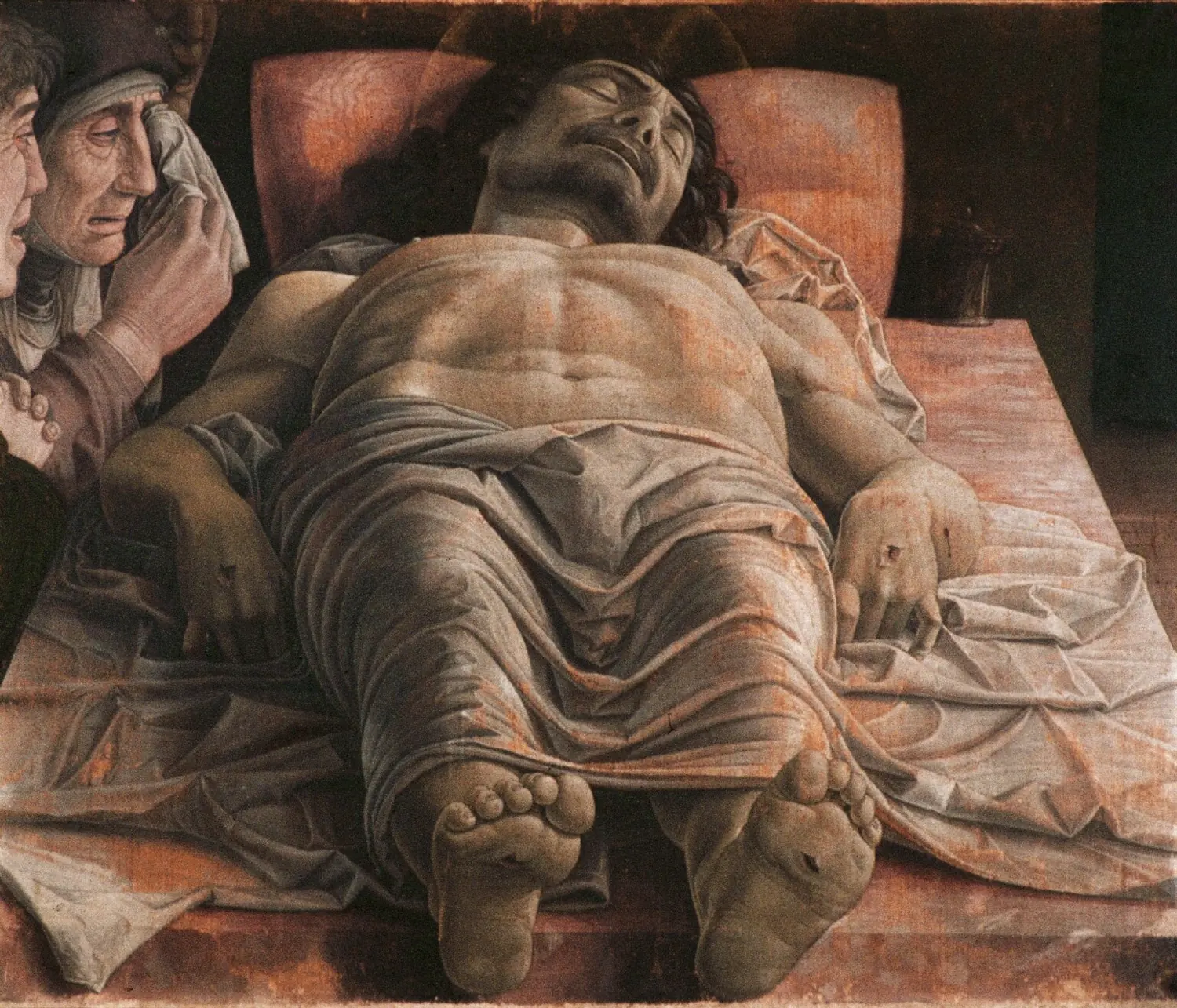
The Lamentation over the Dead Christ
Christ lies stretched out, seen from his feet in striking foreshortening. On the left, the Virgin and Saint John weep. The cold light and muted colours heighten the emotion.
The sculptor of painting
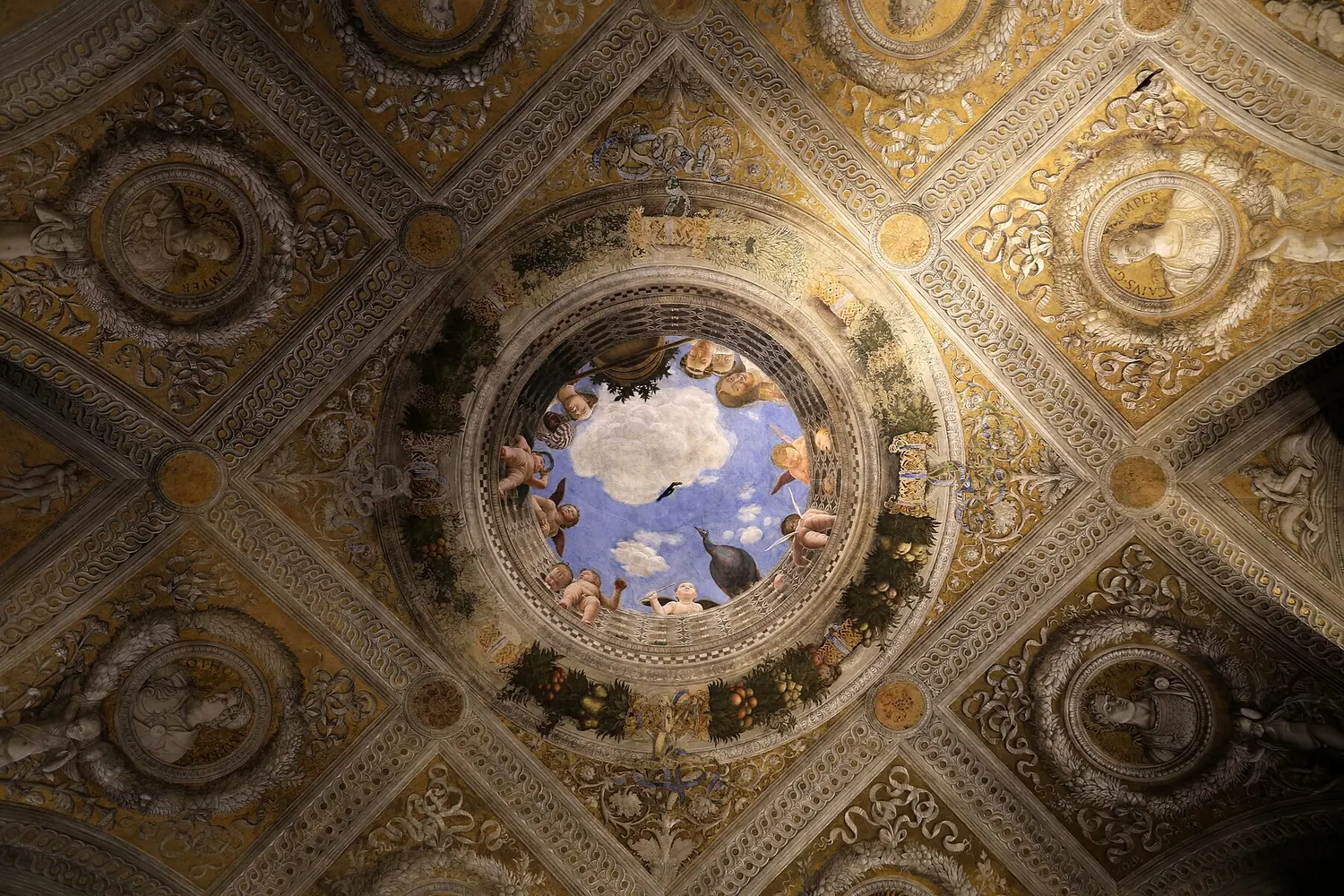
Fascinated by Roman antiquity, Andrea Mantegna painted bodies as hard as stone and dizzying foreshortenings. In Mantua he opened a ceiling onto the sky.
Born in 1431 near Padua, Andrea Mantegna was adopted by the painter Francesco Squarcione, a collector of antiquities. Very young, he painted frescoes in Padua, and he married Giovanni Bellini’s sister.
In 1460 he became court painter to the Gonzaga in Mantua, where he stayed until his death. There he decorated the Camera degli Sposi and painted the Triumphs of Caesar. A passionate collector of antiquities, he died in Mantua in 1506.
Mantegna drew with an engraver’s sharpness. His figures have the solidity of statues and his settings teem with Roman ruins and inscriptions. He loved daring viewpoints: seen from below, seen from the feet, seen through a hole in the ceiling.
Christ lies stretched out, seen from his feet in striking foreshortening. On the left, the Virgin and Saint John weep. The cold light and muted colours heighten the emotion.
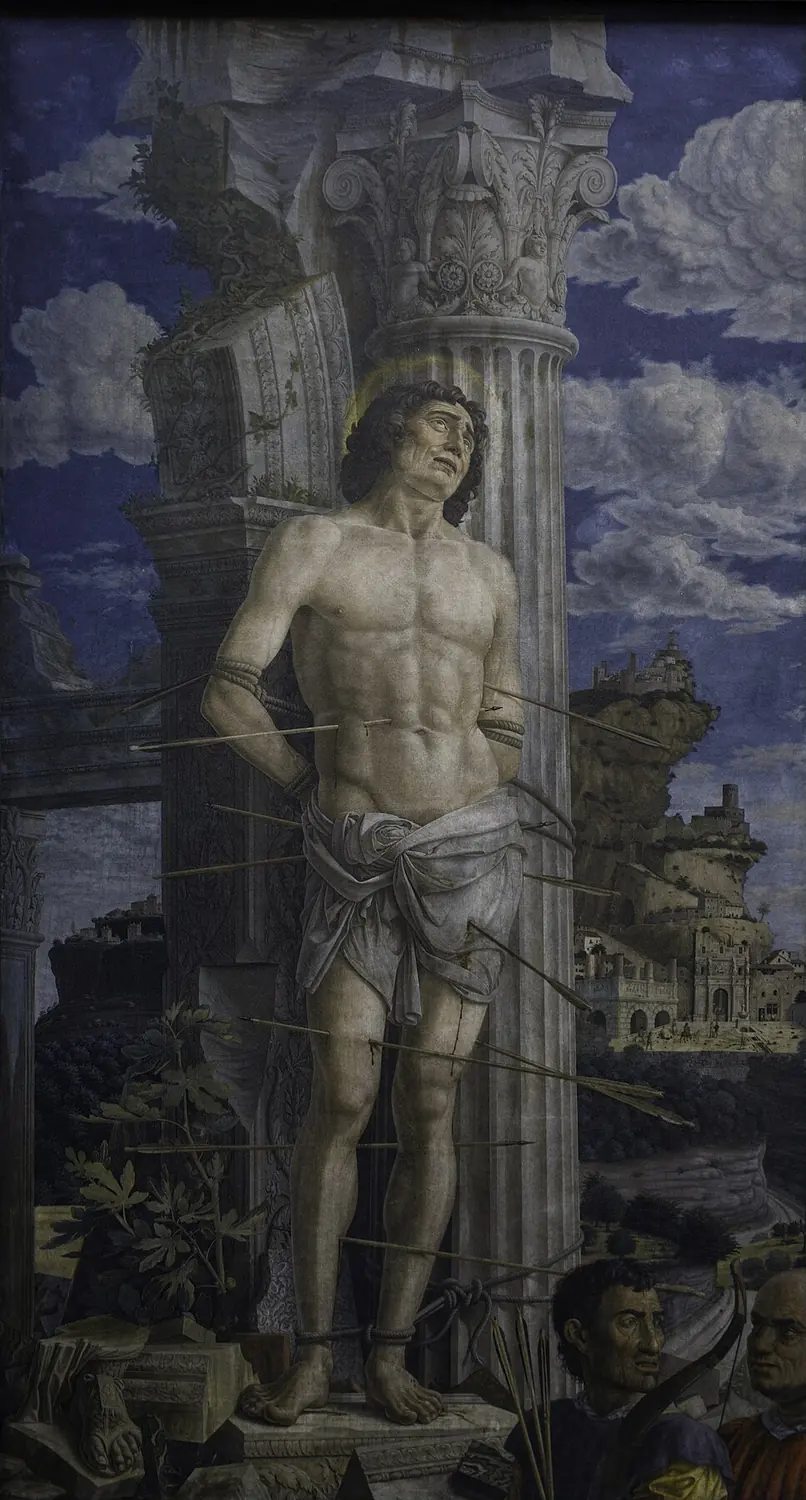
Tied to an ancient column, Saint Sebastian is pierced with arrows. Fragments of Roman statues lie around him, and two archers appear at the bottom, cut off by the frame.
CC0 — Wikimedia Commons
In the centre of the ceiling, a painted opening reveals the sky. Ladies and cherubs lean over a balustrade, and a flowerpot seems about to fall on the visitors. It is the first great ceiling illusion of the Renaissance.
Photo: Sailko — CC BY 3.0 — Wikimedia Commons
The Lamentation was found in Mantegna’s studio after his death: he had probably kept it for himself all his life.
 Giovanni Bellini
 Jean Fouquet
 Sandro Botticelli
 Piero della Francesca
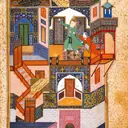 Kamāl ud-Dīn Behzād
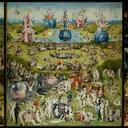 Hieronymus Bosch
 Leonardo da Vinci
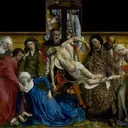 Rogier van der Weyden