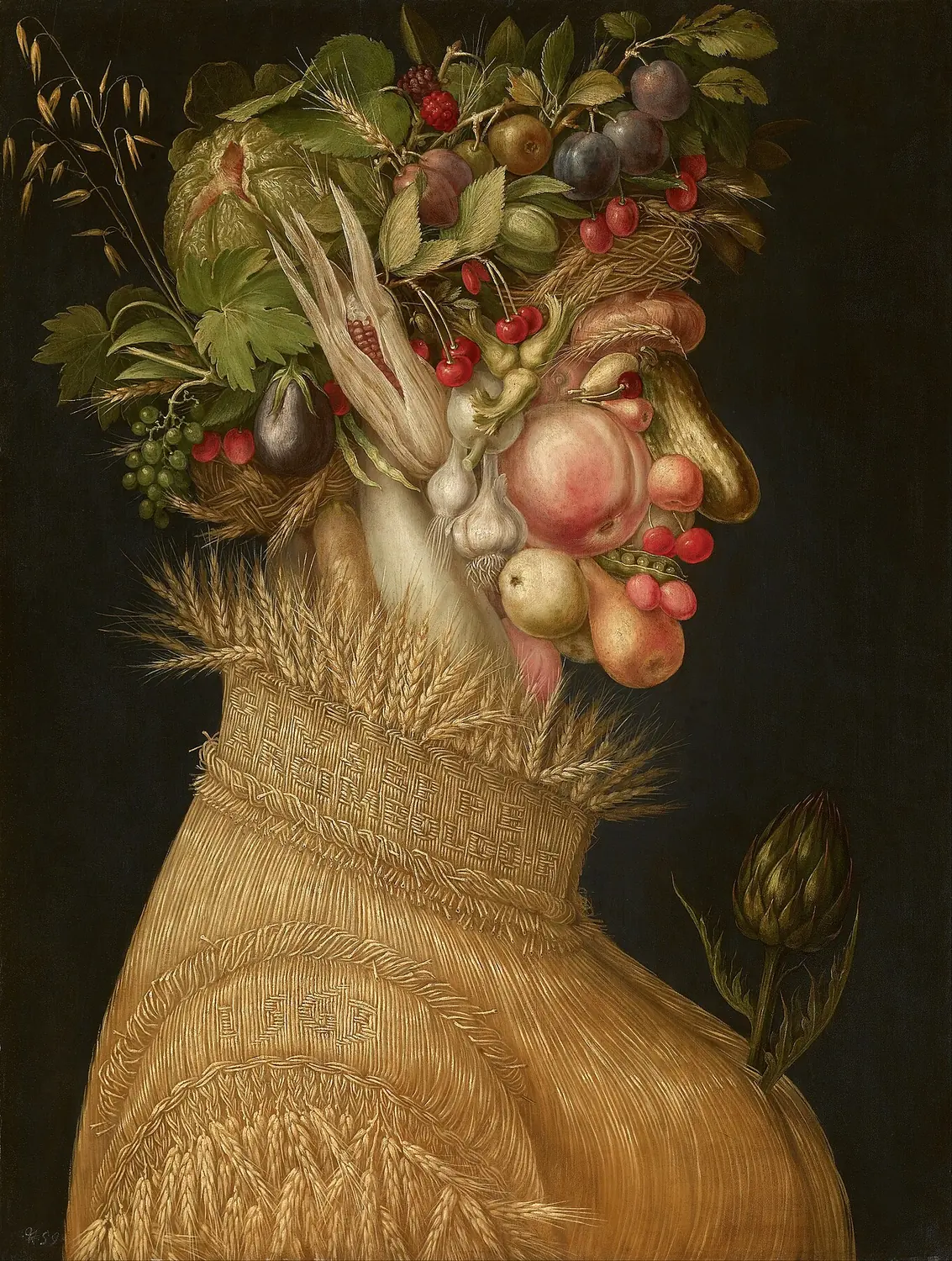
Summer
A smiling profile made of summer fruit and vegetables: a peach for the cheek, a pear for the chin, a cucumber for the nose, cherries for the lips. The garment is woven from wheat.
Portraits made of fruit, vegetables and flowers
Painter to the Habsburg emperors, Giuseppe Arcimboldo invented composite heads: portraits made of fruit, fish, books or flowers. These witty inventions, admired at court, fascinated the Surrealists.
Born in 1526 in Milan, the son of a painter, Arcimboldo first designed stained-glass windows for Milan Cathedral. In 1562 he entered the service of Emperor Ferdinand I in Vienna, then of Maximilian II and Rudolf II in Prague.
As court portraitist he also organised festivities, designed costumes and parade floats, and advised the emperor on his collections of curiosities. Back in Milan in 1587, he kept sending pictures to Rudolf II. He died in 1593.
Arcimboldo assembled hundreds of real elements with a naturalist’s precision to form a face: every fruit and flower can be identified. From afar you see a portrait; up close, a still life. His series of the Seasons and the Elements celebrate the harmony of the world and the emperor’s power.
A smiling profile made of summer fruit and vegetables: a peach for the cheek, a pear for the chin, a cucumber for the nose, cherries for the lips. The garment is woven from wheat.
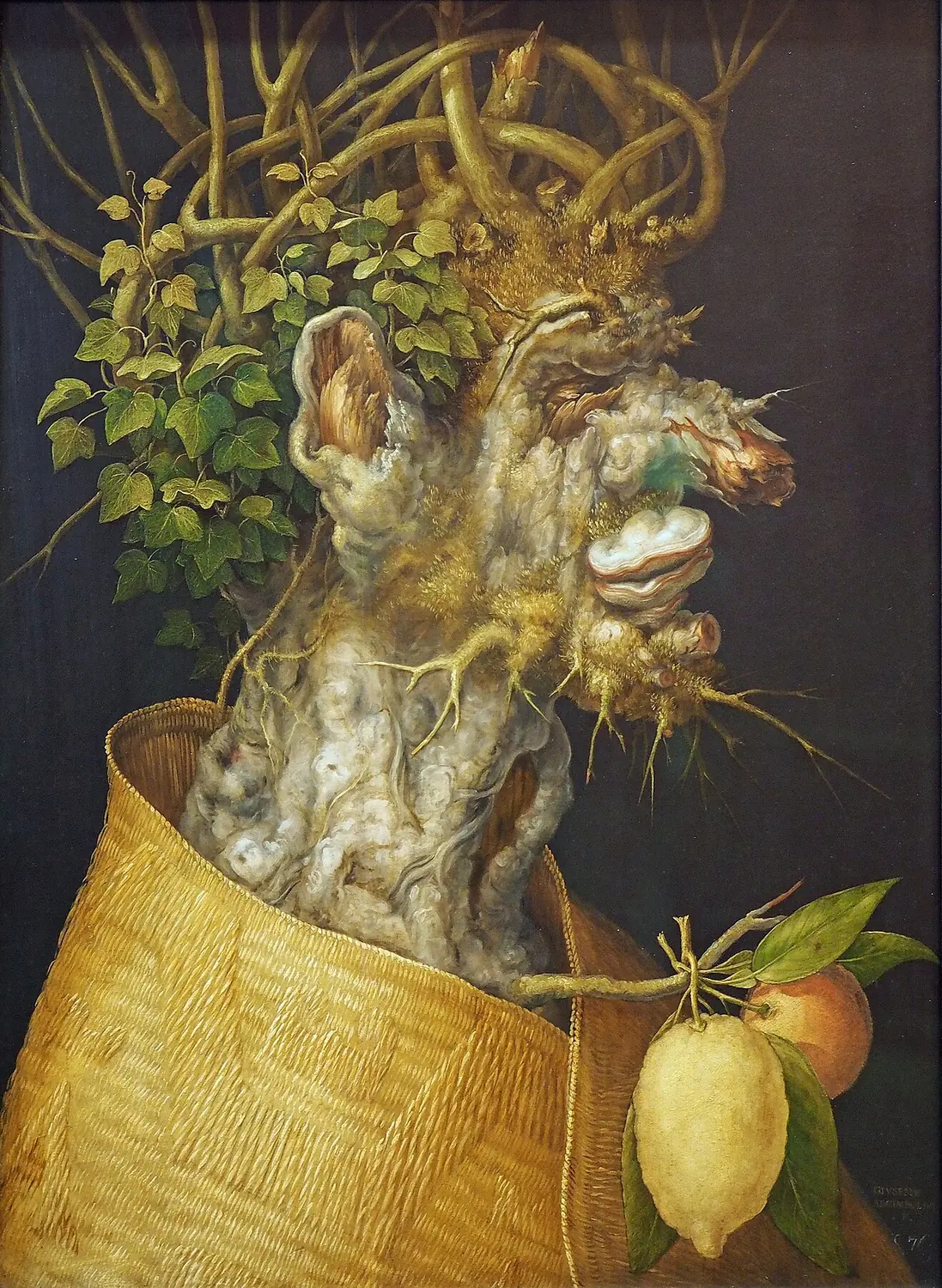
Winter is an old twisted tree with cracked bark and dead branches. Mushrooms form the mouth and ivy the hair; a lemon and an orange hang on its chest, the only fruits of the season.
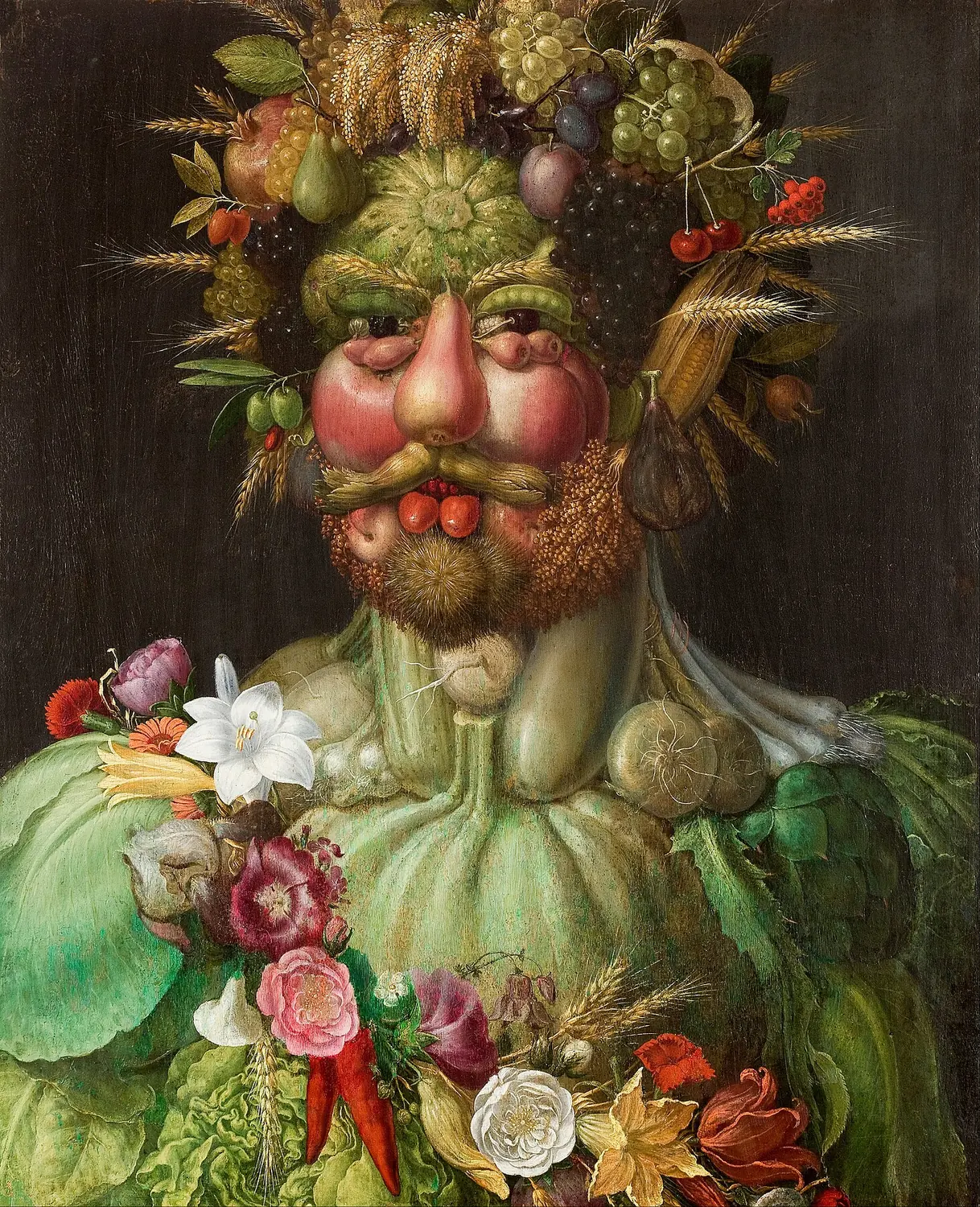
Emperor Rudolf II appears as Vertumnus, the Roman god of the seasons, made entirely of flowers, fruit and vegetables from the whole year. The painting was carried off from Prague by the Swedish army in 1648.
In Summer, Arcimboldo slipped his signature and the date 1563 into the figure’s woven straw collar.
 Pieter Bruegel the Elder
 Paolo Veronese
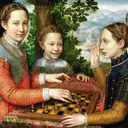 Sofonisba Anguissola
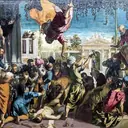 Tintoretto
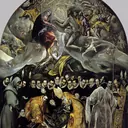 El Greco
 Hans Holbein the Younger
 Titian
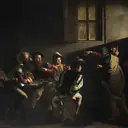 Caravaggio