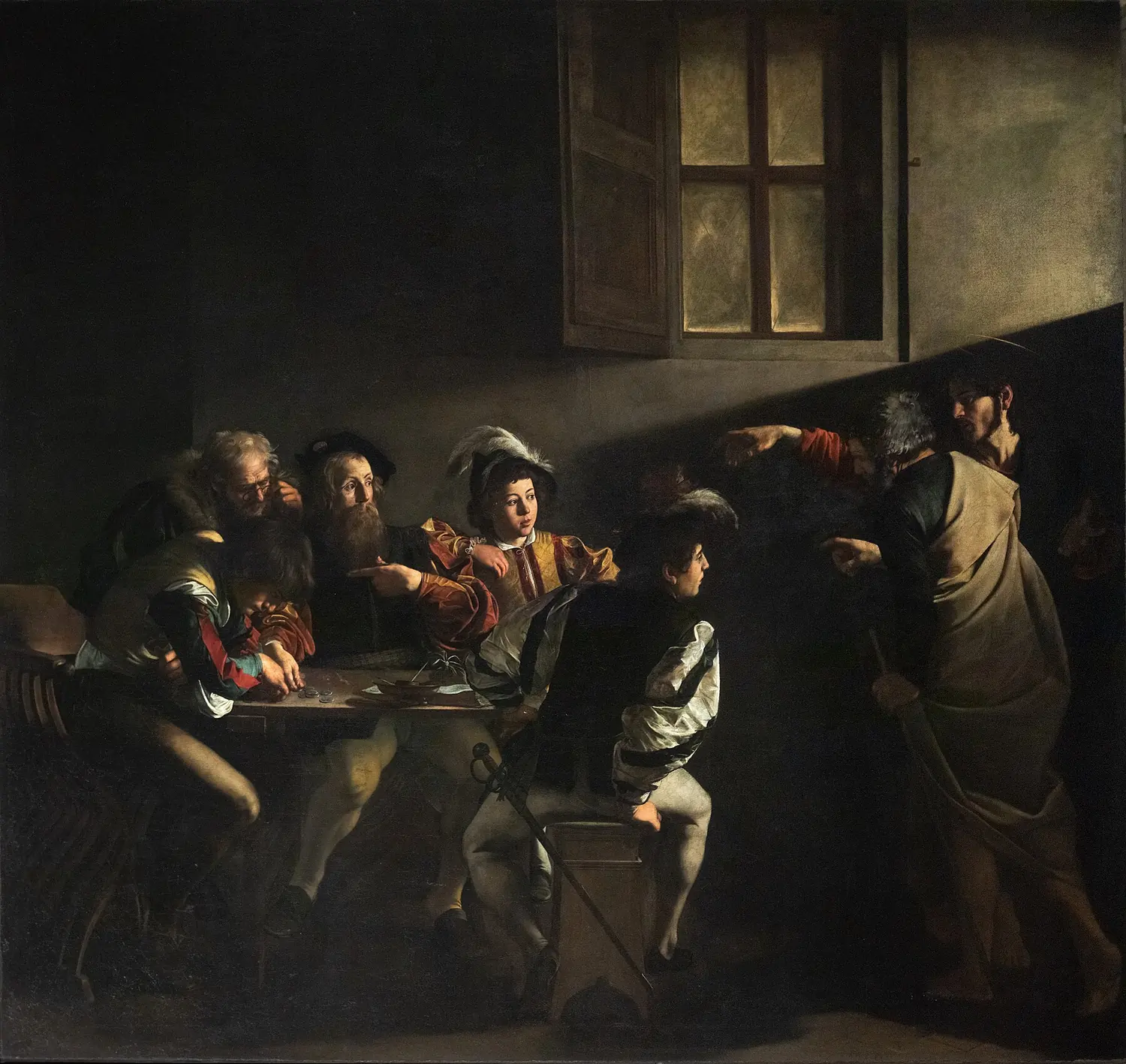
The Calling of Saint Matthew
In a dark tavern, Christ, on the right, points to Matthew, a tax collector sitting with companions counting money. A beam of light follows Christ’s gesture, like a call.
The painter of shadow and light
A violent and revolutionary genius, Caravaggio plunged his figures into darkness to sculpt them with harsh light. His saints with dirty feet and models taken from the street shook European painting.
Born in 1571 in Milan, Michelangelo Merisi took his nickname from the town of Caravaggio, where his family came from. Around 1592 he arrived in Rome, poor. Cardinal Del Monte took him under his protection. In 1600 his Saint Matthew paintings for San Luigi dei Francesi caused a scandal and made him famous.
A brawler, often arrested, he killed a man in a fight in 1606 and had to flee Rome. He wandered between Naples, Malta and Sicily, still painting. In 1610, on his way back to Rome hoping for a pardon, he died at Porto Ercole, aged thirty-eight.
Caravaggio painted directly from live models, without preparatory drawing. He lit his scenes with violent side light that carves faces and hands out of black backgrounds: chiaroscuro, or tenebrism. His holy figures look like ordinary people.
In a dark tavern, Christ, on the right, points to Matthew, a tax collector sitting with companions counting money. A beam of light follows Christ’s gesture, like a call.
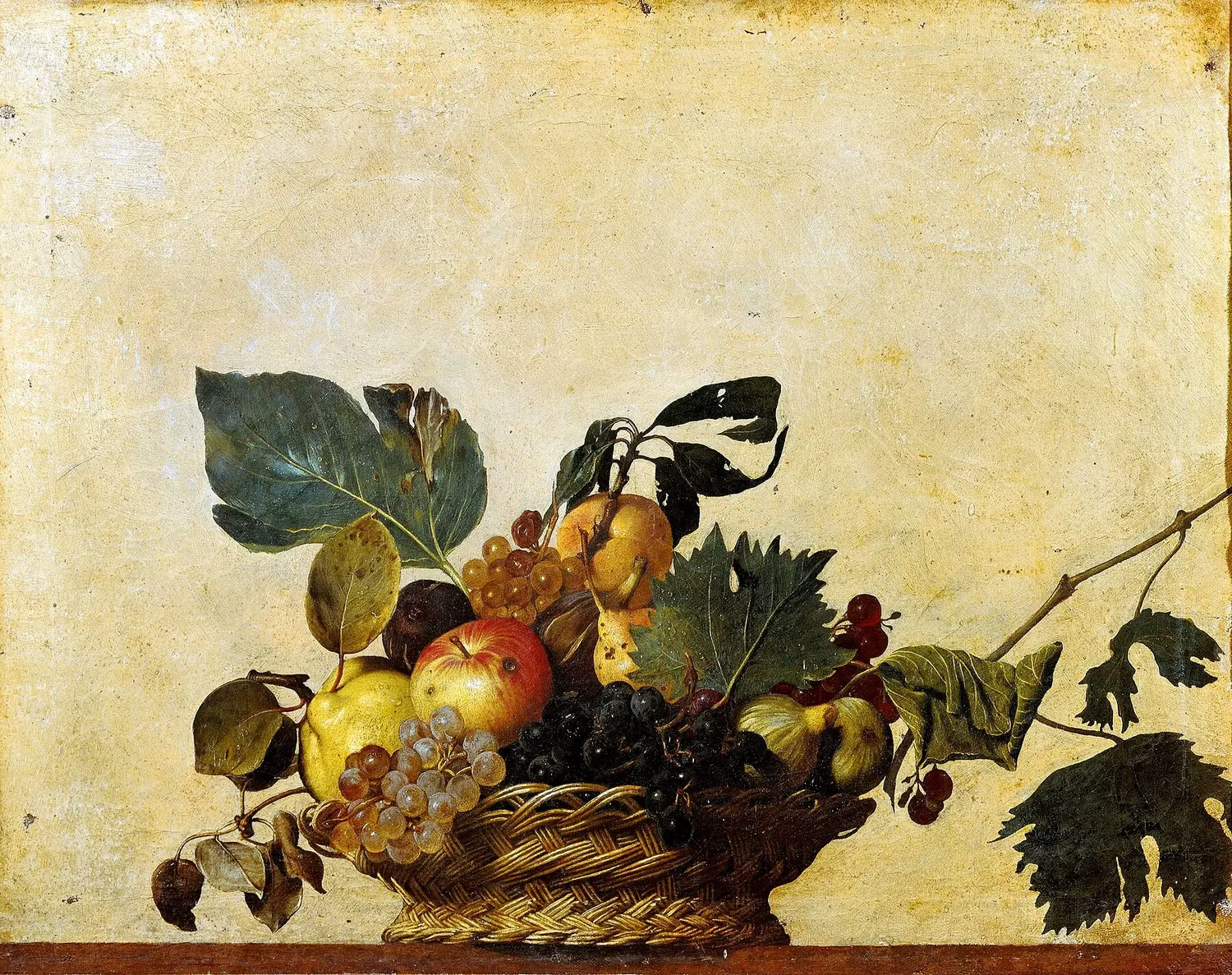
A basket placed on the edge of a table, so close it seems to stick out of the picture. Worm-eaten apples, withered leaves, grapes: the beauty of the fruit is already threatened by time.
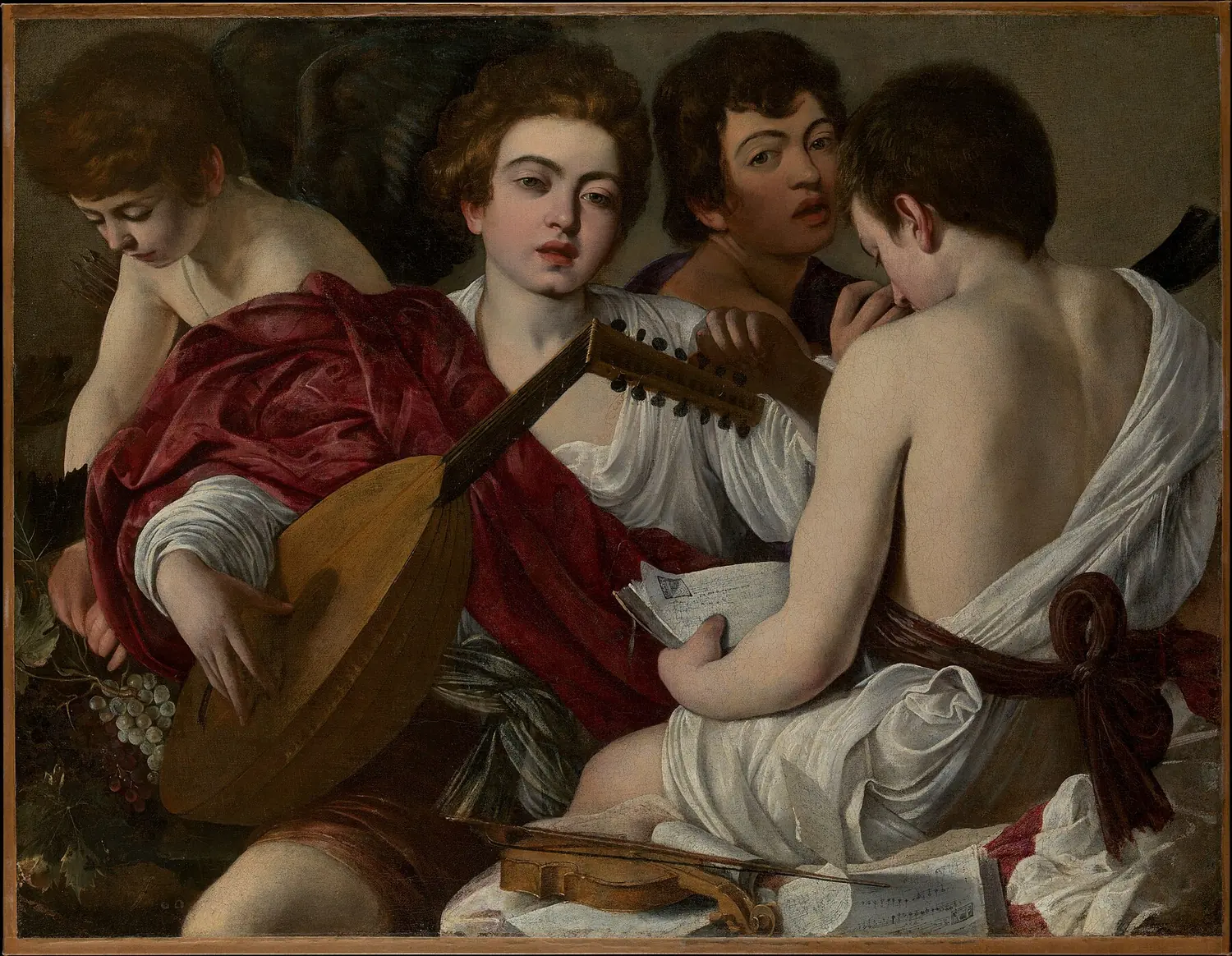
Three young musicians and a little Cupid prepare to play: one tunes his lute, another holds a cornett, a third reads a score. A violin waits in the foreground. Caravaggio probably portrayed himself among them.
The Metropolitan Museum of Art — CC0 — Wikimedia Commons
His influence was such that dozens of painters across Europe, from Georges de La Tour to Rembrandt, were called ’Caravaggesque’.
 Peter Paul Rubens
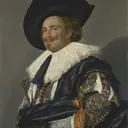 Frans Hals
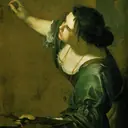 Artemisia Gentileschi
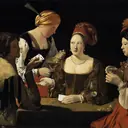 Georges de La Tour
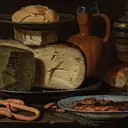 Clara Peeters
 Nicolas Poussin
 Francisco de Zurbarán
 El Greco