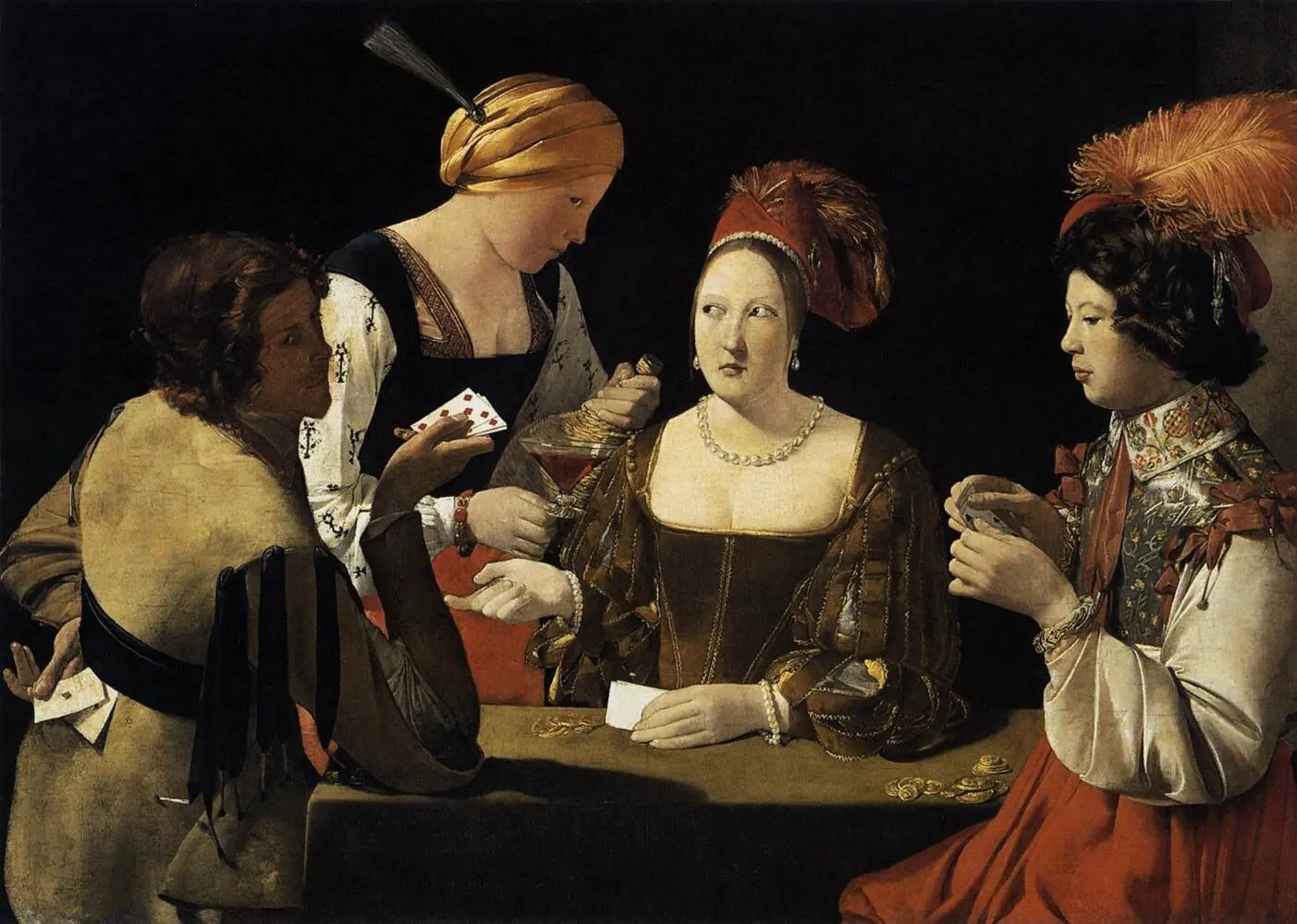
The Cheat with the Ace of Diamonds
A richly dressed young man plays cards with a courtesan, a maid and a cheat. While the women exchange knowing glances, the cheat pulls an ace of diamonds from his belt.
The painter of flame and silence
Master of night scenes lit by a single candle, Georges de La Tour painted pictures of meditative stillness. Forgotten for nearly three centuries, he was only rediscovered in the 20th century.
Born in 1593 in Vic-sur-Seille, in the Duchy of Lorraine, the son of a baker, Georges de La Tour married a noblewoman and settled in Lunéville. There he became a prosperous painter, supplying the Duke of Lorraine, and in 1639 painter in ordinary to King Louis XIII.
Lorraine was ravaged by the Thirty Years’ War and plague, but La Tour kept painting for the great of the kingdom. He died in Lunéville in 1652 during an epidemic. His name then fell into oblivion; a German historian rediscovered him in 1915.
La Tour painted two kinds of pictures: daylight scenes full of colour and sidelong glances, like his cheats, and night scenes where a single candle lights grave faces in silence. He simplified forms almost to geometry and removed every unnecessary detail.
A richly dressed young man plays cards with a courtesan, a maid and a cheat. While the women exchange knowing glances, the cheat pulls an ace of diamonds from his belt.
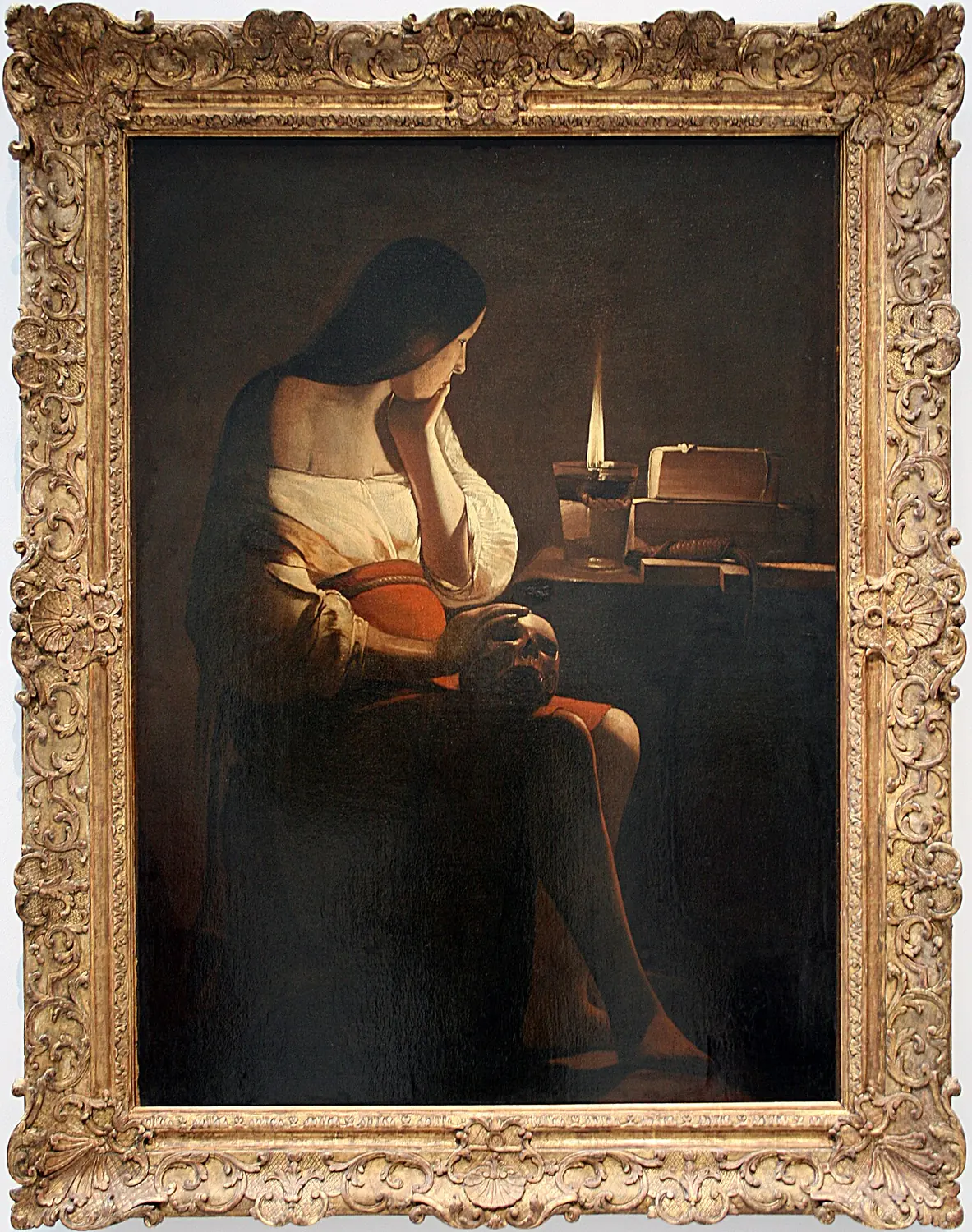
Mary Magdalene, seated and pensive, rests her hand on a skull while gazing at the flame of a lamp. Smoke rises into the darkness. Everything invites contemplation.
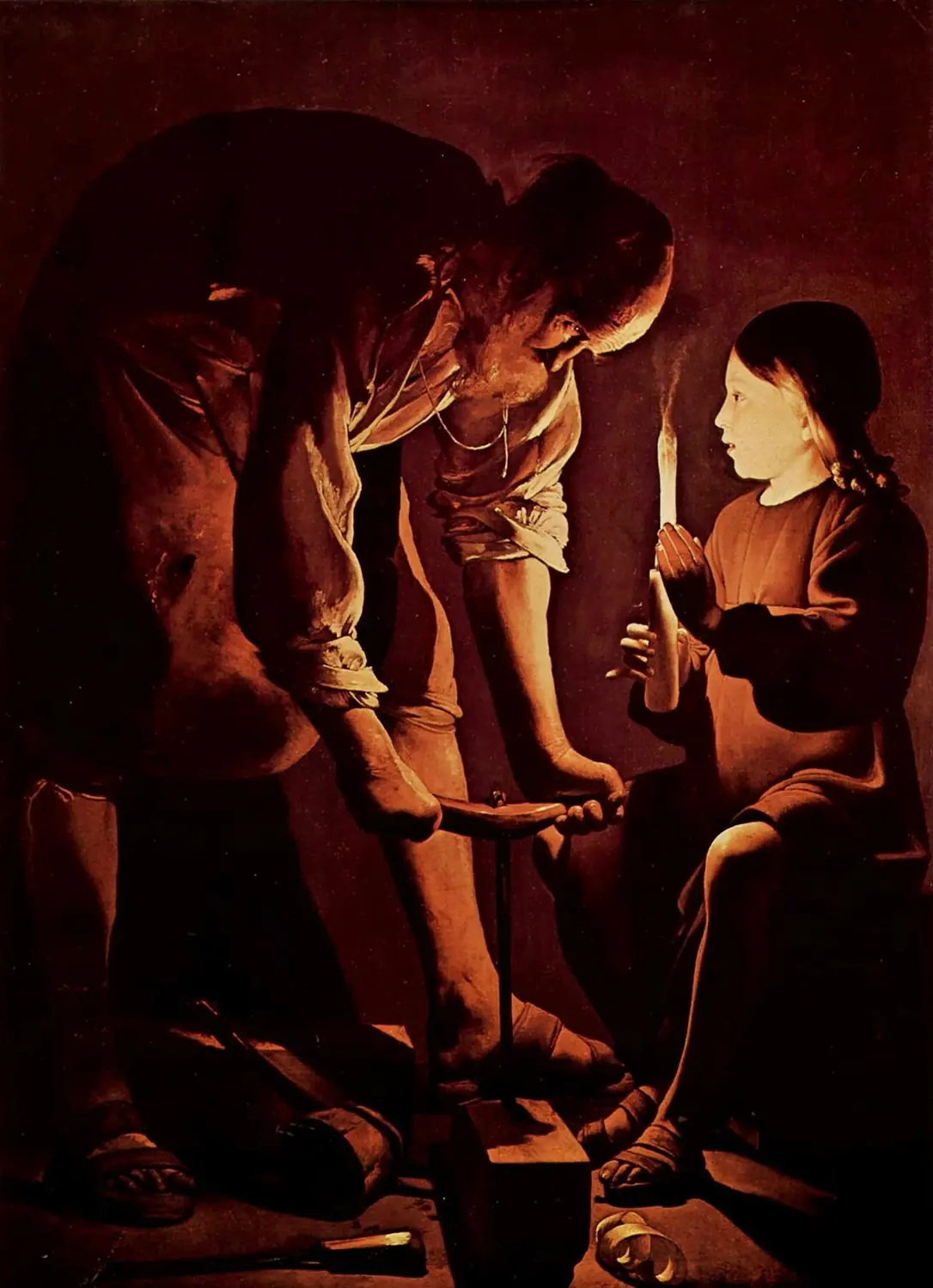
Joseph, bending over, bores into a beam with an auger while the young Jesus lights him with a candle. The golden light unites the old man and the child in a moment of tenderness.
In Joseph the Carpenter, the flame of the candle held by the child Jesus makes his fingers almost transparent: you can see the light shining through them.
 Artemisia Gentileschi
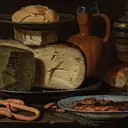 Clara Peeters
 Nicolas Poussin
 Francisco de Zurbarán
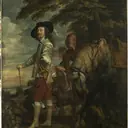 Anthony van Dyck
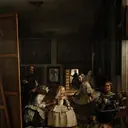 Diego Velázquez
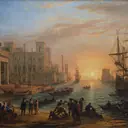 Claude Lorrain
 Frans Hals