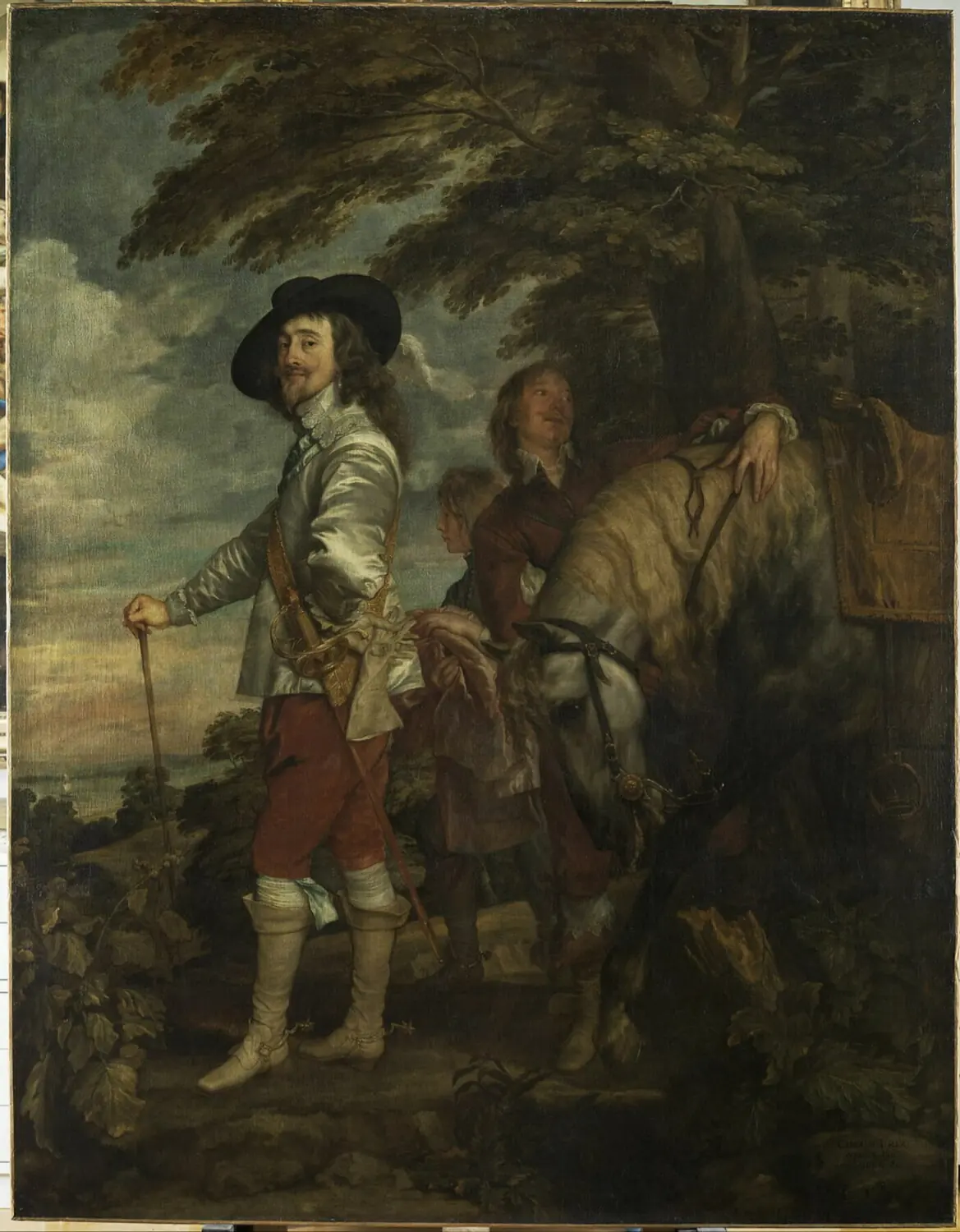
Charles I at the Hunt
Charles I, dismounted during a hunt, poses with studied ease, his hand on his hip. The king looks tall, though he was short: Van Dyck’s art lies in elevating him without seeming to.
Portraitist of kings and aristocrats
A prodigy pupil of Rubens, Anthony van Dyck invented a new elegance in portraiture: natural poses, slender figures, shimmering fabrics. Painter to Charles I of England, he influenced British portraiture for two centuries.
Born in 1599 in Antwerp, the son of a wealthy silk merchant, Anthony van Dyck was a child prodigy: at fifteen he was already working as an independent painter. He became Rubens’s chief assistant, then spent six years in Italy painting the aristocracy of Genoa.
In 1632 King Charles I called him to London, knighted him and made him principal painter to the court. There he painted the king, the queen and the whole English nobility. Exhausted by work, he died in London in 1641, aged forty-two.
Van Dyck slightly lengthened his figures, posed his sitters with aristocratic nonchalance before columns, curtains or landscapes, and rendered satin, lace and armour superbly. His fluid touch derives from Rubens and Titian.
Charles I, dismounted during a hunt, poses with studied ease, his hand on his hip. The king looks tall, though he was short: Van Dyck’s art lies in elevating him without seeming to.
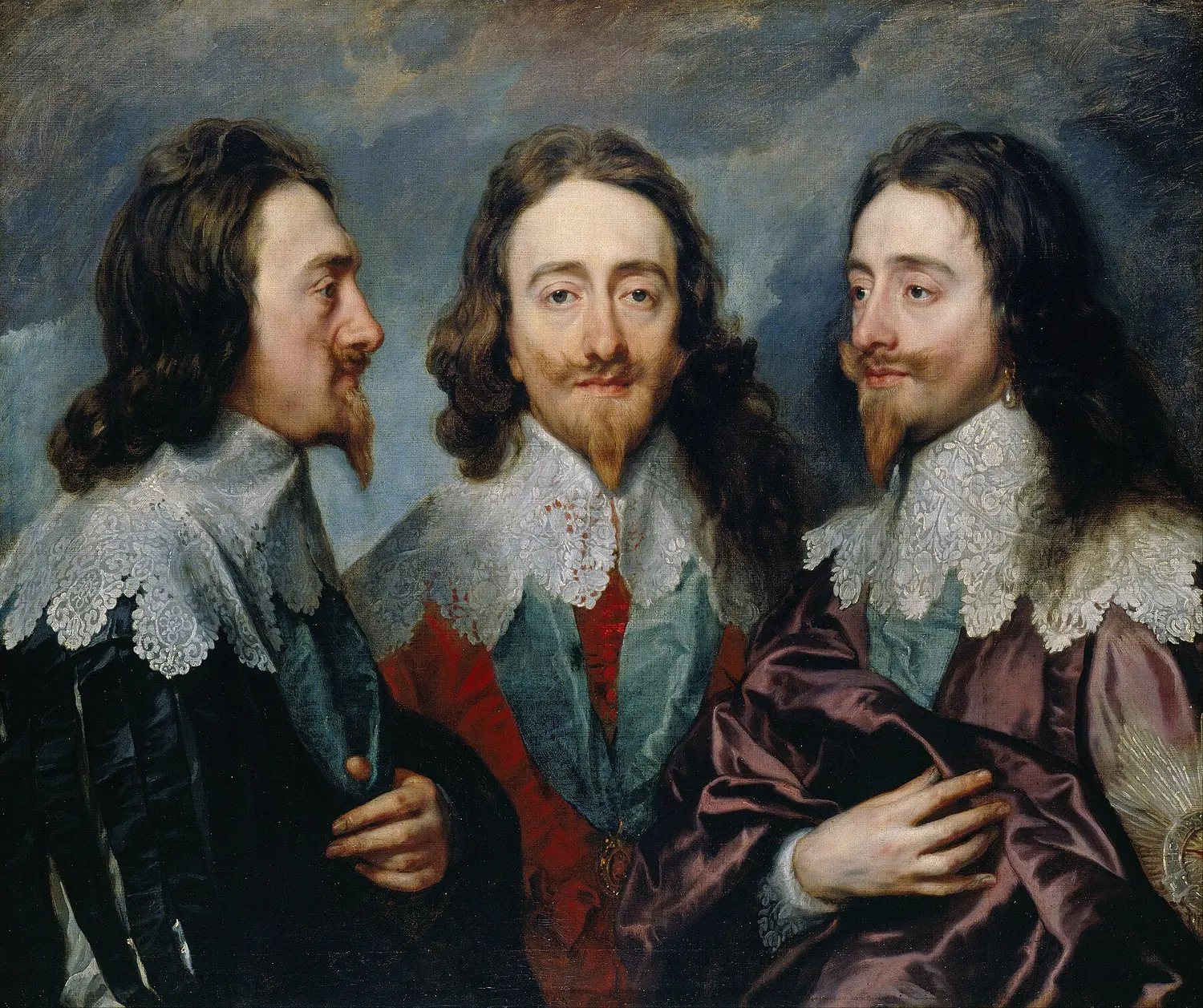
The king is shown three times, in profile, face on and three-quarter view, on a single canvas. The picture was sent to Rome so that the sculptor Bernini could make a marble bust from it, later destroyed in a fire.
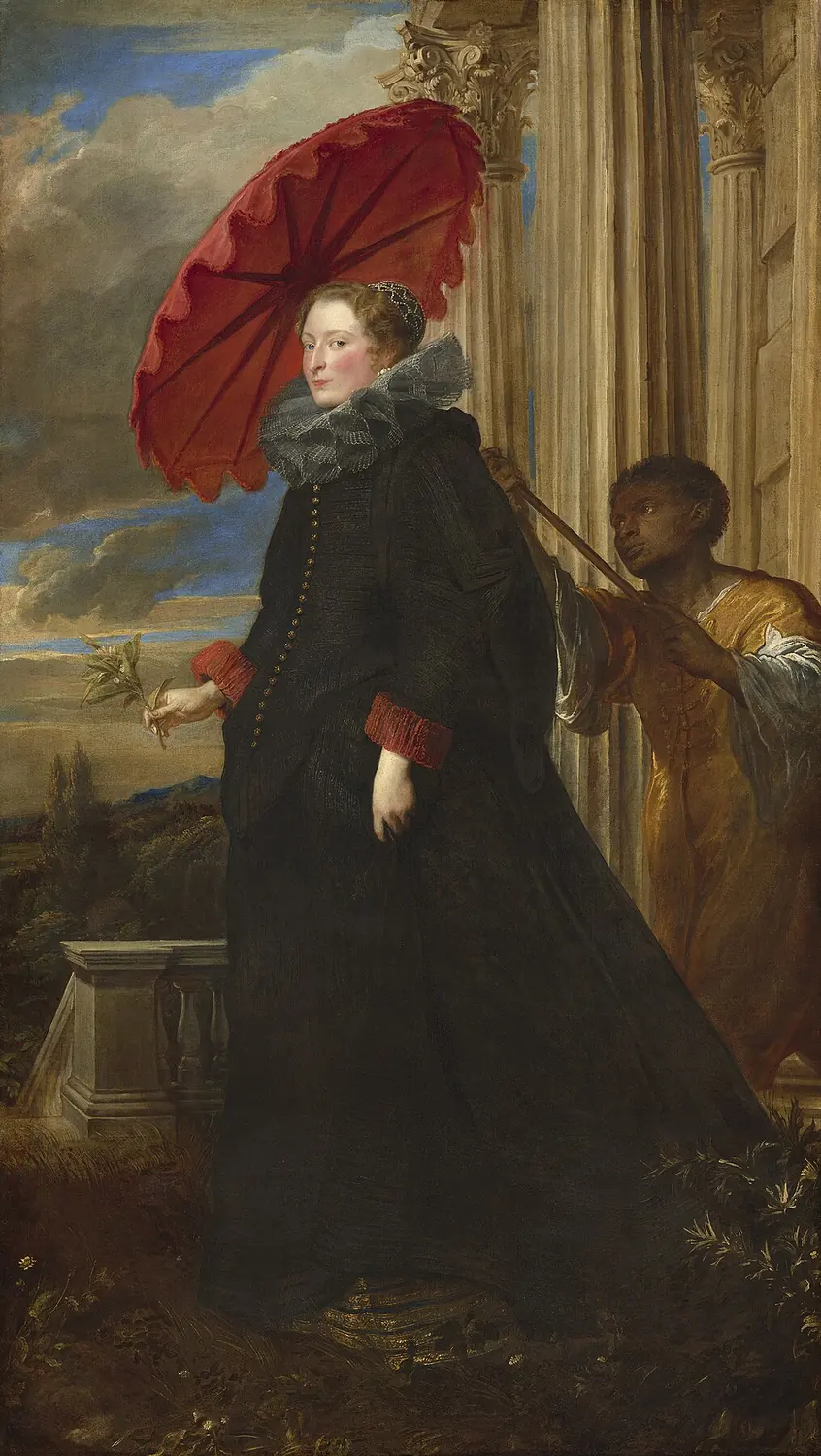
The Genoese marchioness steps out onto a terrace, dressed in black, while a young servant holds a red parasol above her. The brilliant red draws the eye to her face.
National Gallery of Art, Washington — CC0 — Wikimedia Commons
The pointed beard with a thin moustache worn by his sitters took his name: people still speak of a ’Van Dyke beard’.
 Diego Velázquez
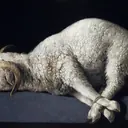 Francisco de Zurbarán
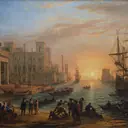 Claude Lorrain
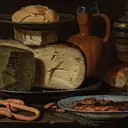 Clara Peeters
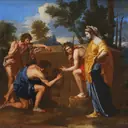 Nicolas Poussin
 Artemisia Gentileschi
 Georges de La Tour
 Rembrandt