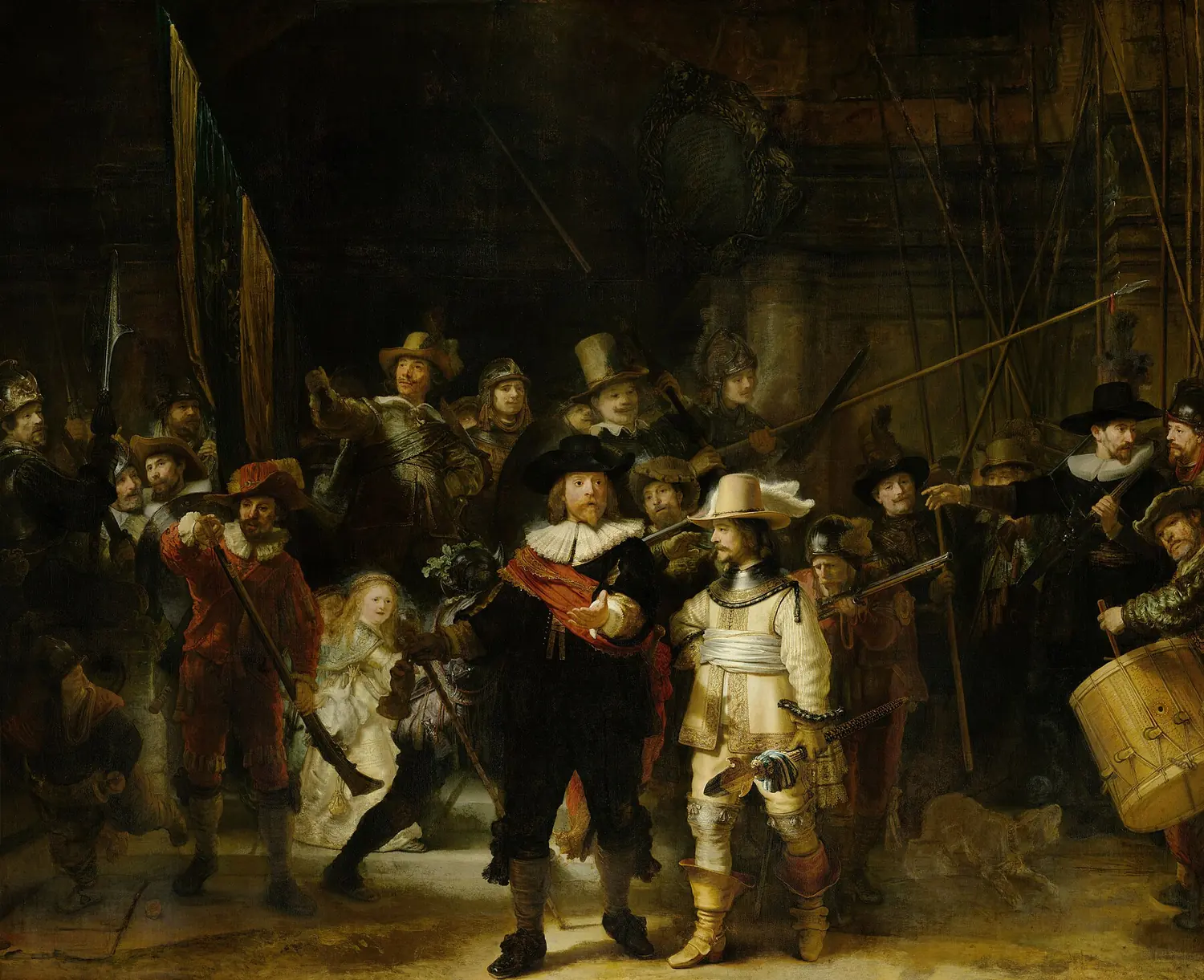
The Night Watch
The militia company of Captain Frans Banninck Cocq sets off. Instead of posing in rows, the guards bustle about, load their weapons and beat the drum. A little girl lit in golden light carries a chicken, the company’s emblem.
The master of light and soul
Painter, etcher and draughtsman, Rembrandt explored light, shadow and the inner life like no one else. His eighty or so self-portraits tell a whole life, from glory to ruin.
Born in Leiden in 1606, the son of a miller, Rembrandt van Rijn settled in Amsterdam in 1631. He quickly became the city’s most sought-after portraitist, married the wealthy Saskia van Uylenburgh and bought a large house that he filled with collections.
The following years were darker: Saskia died in 1642, the year of The Night Watch, and his spending led to bankruptcy in 1656. Yet he kept painting with growing freedom, supported by his companion Hendrickje and his son Titus, who both died before him. He died in Amsterdam in 1669.
Rembrandt made light spring from shadow, in chiaroscuro, to reveal the emotion of faces. In his late works he laid paint in thick, almost sculpted layers with a knife or the handle of the brush. His etchings, prints made with acid, are among the finest ever made.
The militia company of Captain Frans Banninck Cocq sets off. Instead of posing in rows, the guards bustle about, load their weapons and beat the drum. A little girl lit in golden light carries a chicken, the company’s emblem.
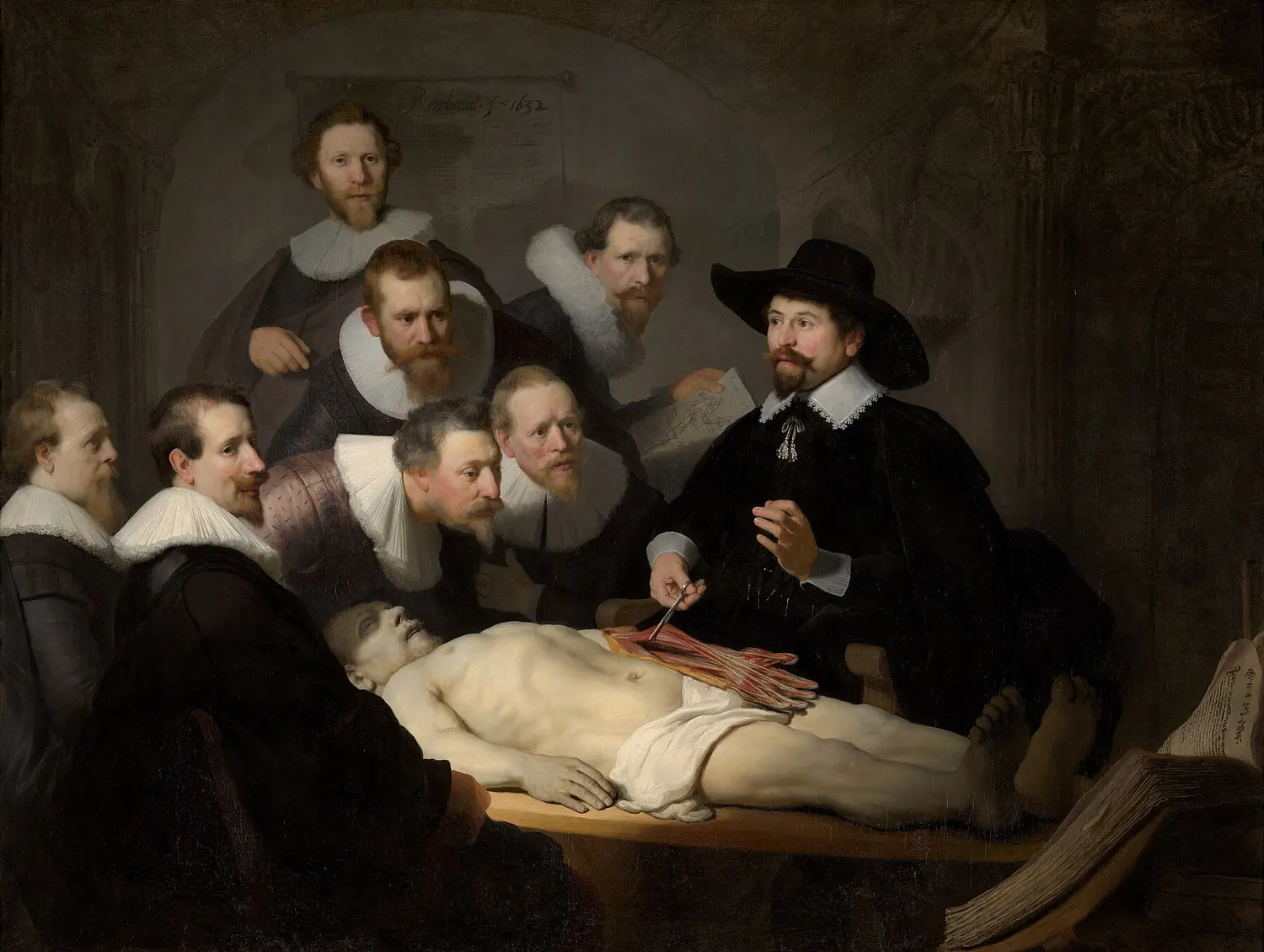
Dr Tulp dissects the arm of a condemned man before members of the surgeons’ guild, who lean in with curiosity. This lively group portrait, painted at twenty-six, launched Rembrandt’s career.
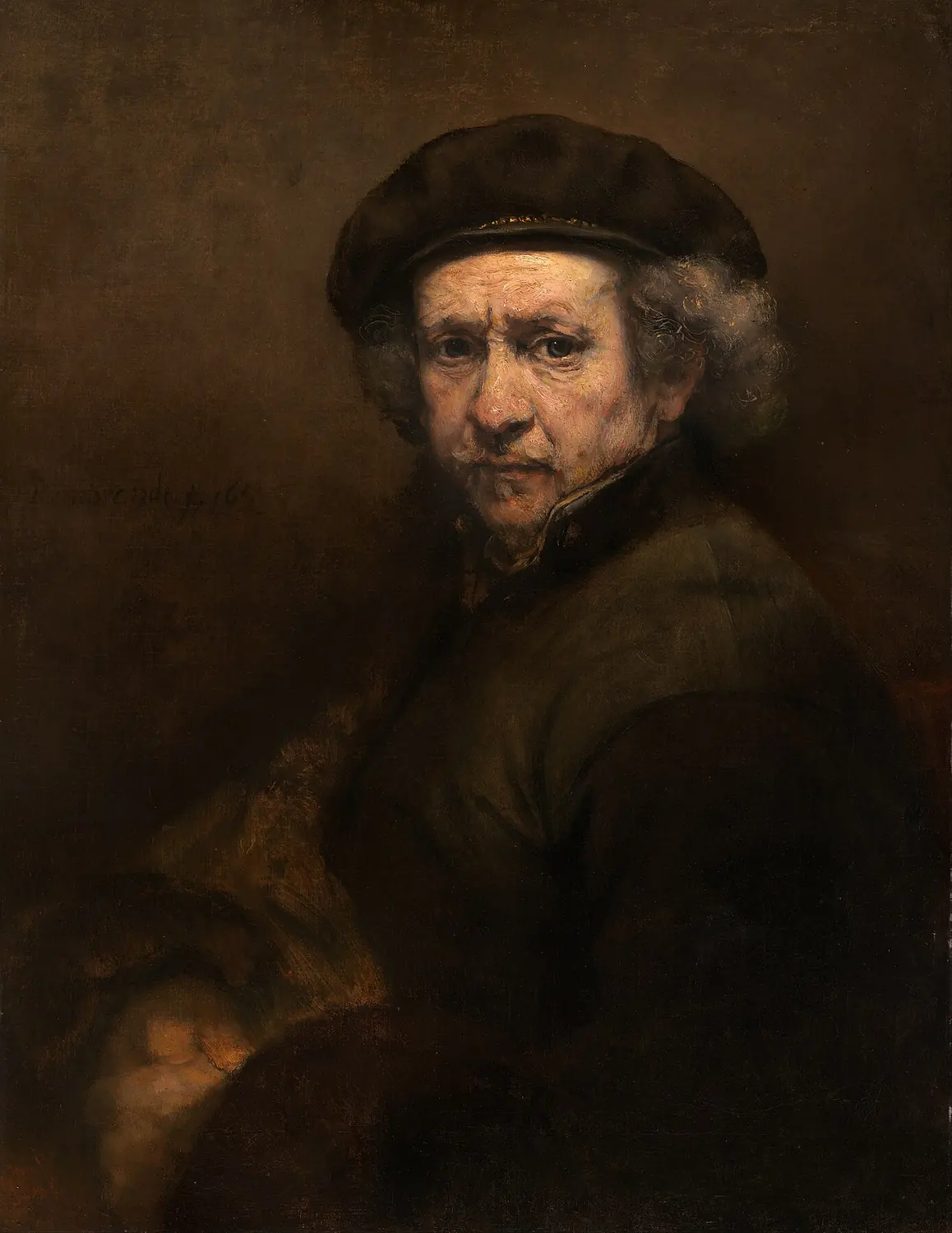
Old, in his working clothes, palette and brushes in hand, Rembrandt looks at us gravely. Behind him, two large mysterious circles on the wall divide historians.
The Night Watch is not a night scene: the varnish, darkened over time, gave it that nickname. In 1715 the canvas was trimmed at the sides to fit a room in the town hall.
 Judith Leyster
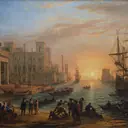 Claude Lorrain
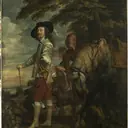 Anthony van Dyck
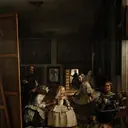 Diego Velázquez
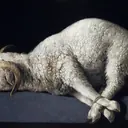 Francisco de Zurbarán
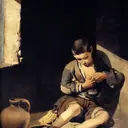 Bartolomé Esteban Murillo
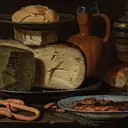 Clara Peeters
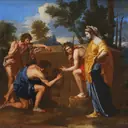 Nicolas Poussin