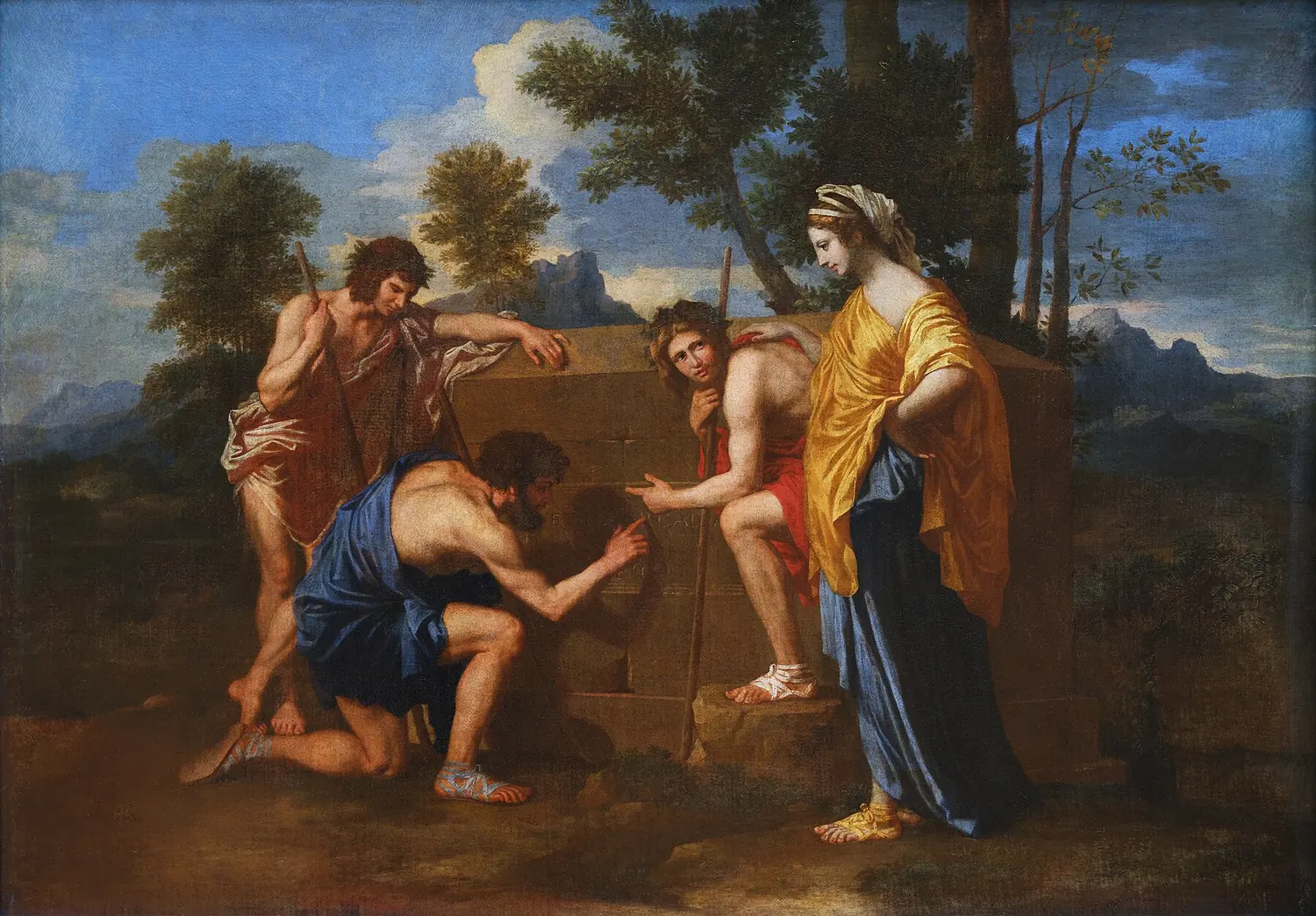
The Arcadian Shepherds
Arcadian shepherds decipher an inscription on a tomb: ’Et in Arcadia ego’, ’I too am in Arcadia’. Death is present even in paradise. A calm, majestic woman rests her hand on a shepherd’s shoulder.
The philosopher painter
A Frenchman settled in Rome, Nicolas Poussin founded classicism: carefully thought-out, balanced pictures nourished by antiquity and moral reflection. He was the model for academic painters for two centuries.
Born in 1594 at Les Andelys in Normandy, Nicolas Poussin went to Paris and trained there with difficulty. In 1624 he left for Rome, the city of antiquity and Raphael, which he hardly ever left again. There he painted medium-sized pictures for cultivated collectors, with subjects from the Bible, history and mythology.
In 1640 King Louis XIII and Richelieu recalled him to Paris to decorate the Louvre, but court intrigues discouraged him and he left two years later. He died in Rome in 1665, admired throughout Europe.
Poussin composed his pictures like carefully staged plays: every gesture and glance has a meaning. To prepare his scenes he arranged small wax figures in a lit box. His landscapes, built in successive planes, have great nobility.
Arcadian shepherds decipher an inscription on a tomb: ’Et in Arcadia ego’, ’I too am in Arcadia’. Death is present even in paradise. A calm, majestic woman rests her hand on a shepherd’s shoulder.
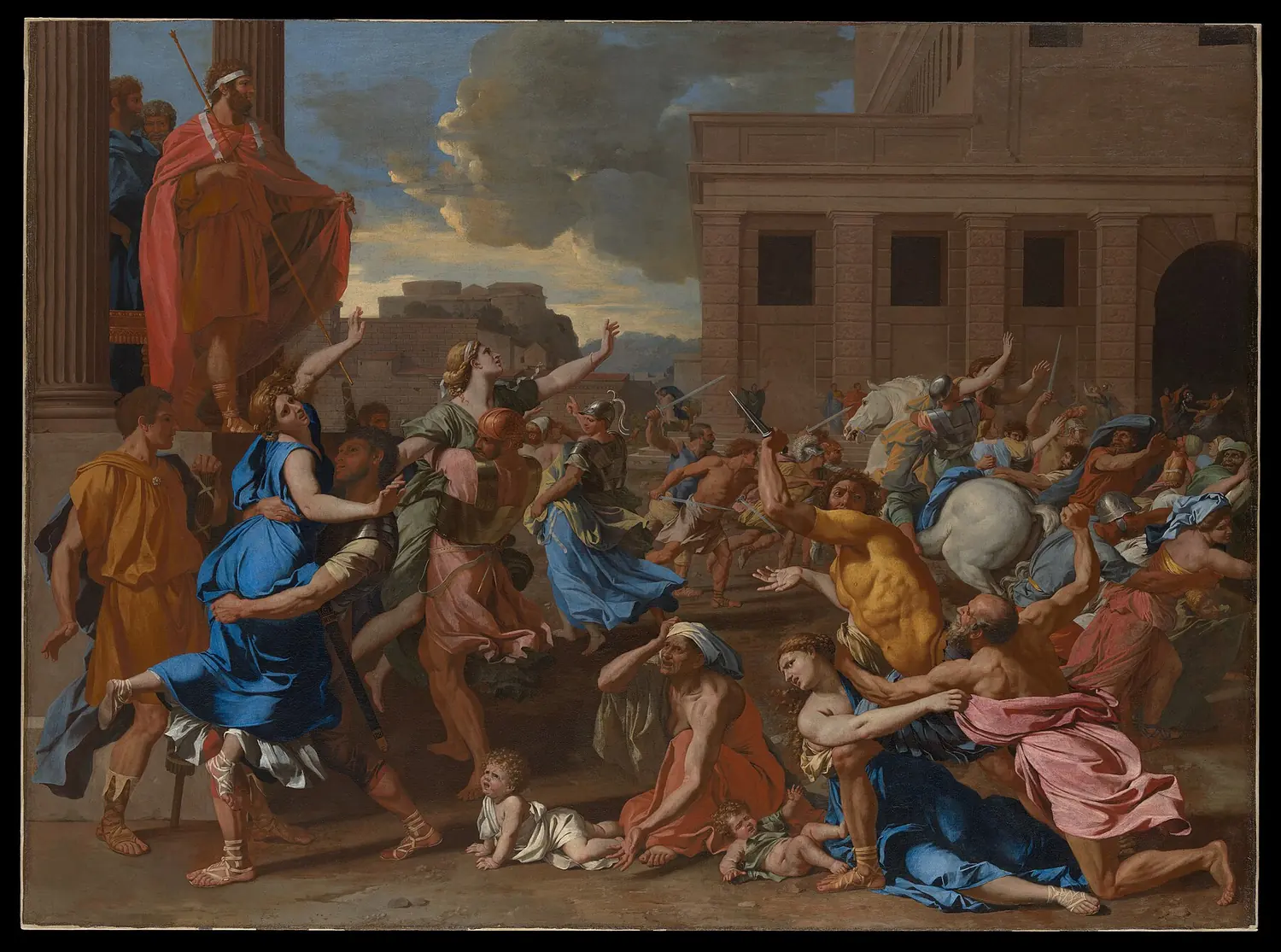
According to the legend of Rome’s beginnings, Romulus, standing on the left, gives the signal for the abduction of the Sabine women. The scene is violent but built with the clarity of an ancient relief.
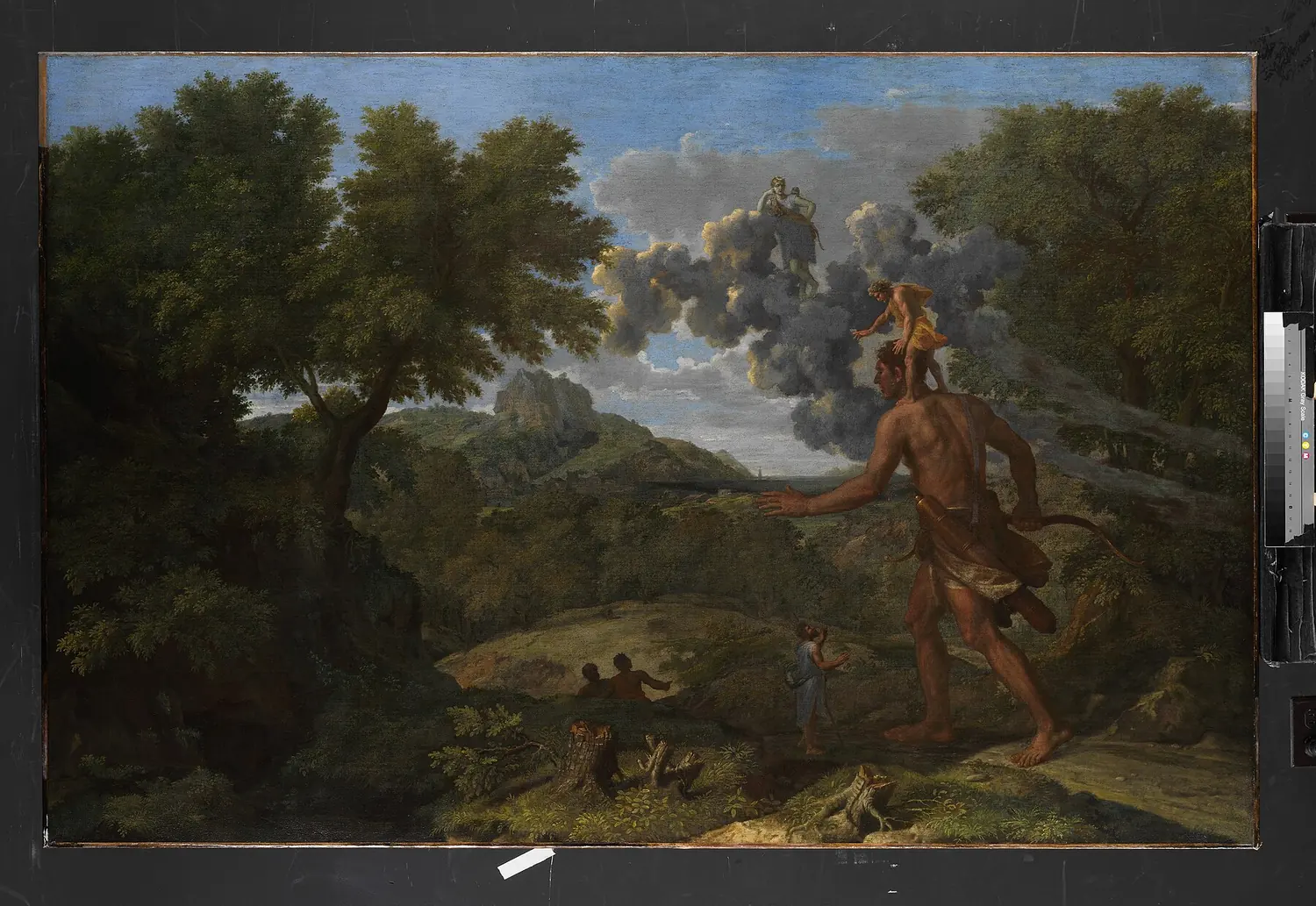
The giant Orion, blinded, walks towards the rising sun that will heal him, guided by a small man perched on his shoulders. The vast landscape, the clouds and the goddess Diana make this legend a cosmic vision.
The Metropolitan Museum of Art — CC0 — Wikimedia Commons
Poussin held that painting should speak to the mind as much as to the eye; he compared ways of painting to the modes of ancient music, each suited to an emotion.
 Clara Peeters
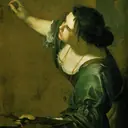 Artemisia Gentileschi
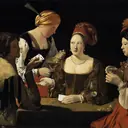 Georges de La Tour
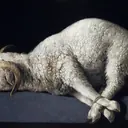 Francisco de Zurbarán
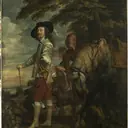 Anthony van Dyck
 Diego Velázquez
 Claude Lorrain
 Frans Hals