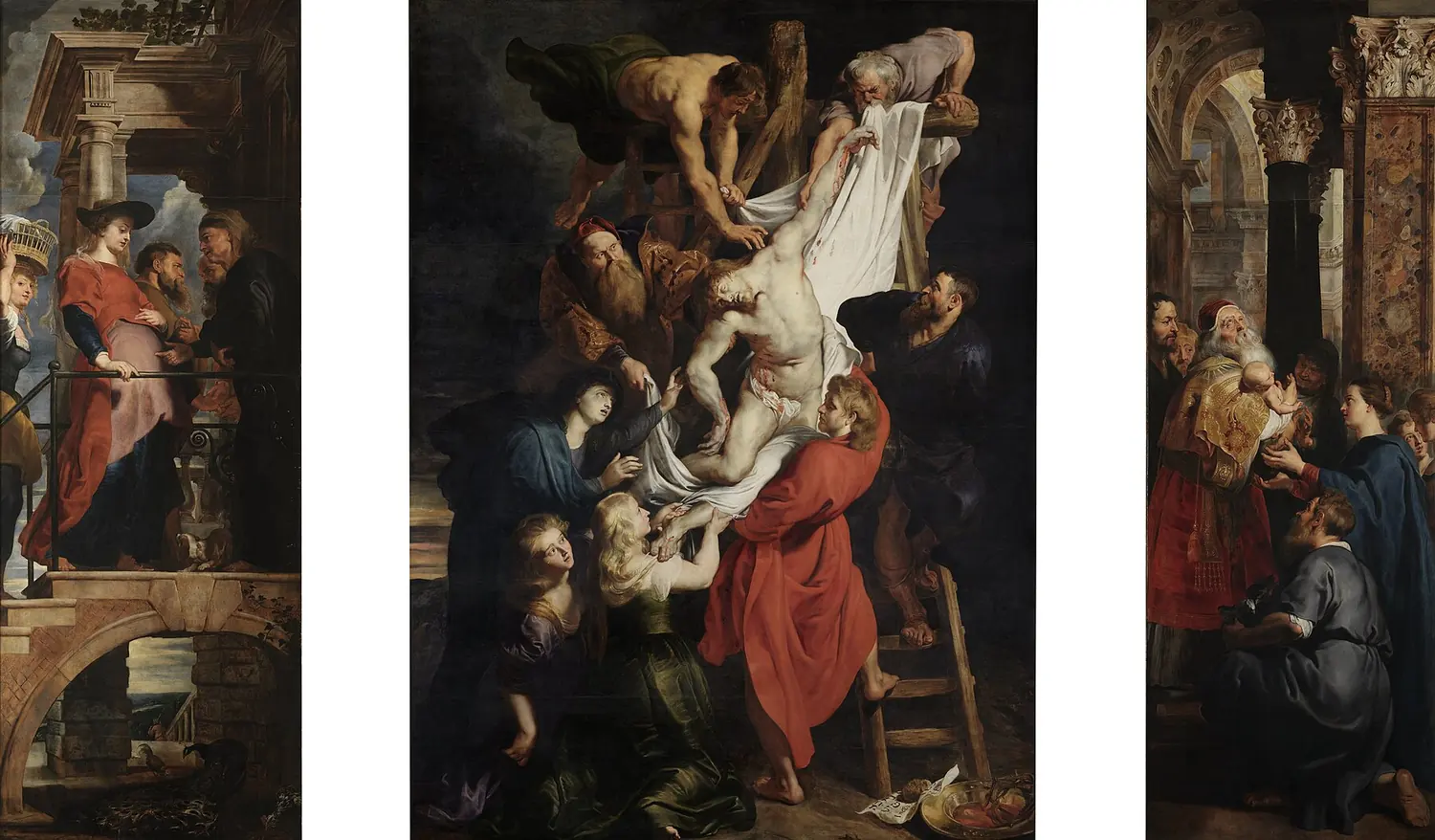
The Descent from the Cross
Disciples carefully lower the body of Christ from the cross on a large white shroud that traces a bright diagonal in the night. This triptych, painted for Antwerp Cathedral, made Rubens’s name.
The Baroque whirlwind
Painter, diplomat and head of a huge workshop, Peter Paul Rubens dominated 17th-century European art. His canvases overflow with movement, flesh, colour and energy.
Born in 1577 in Siegen, Germany, where his family lived in exile, Rubens grew up in Antwerp. From 1600 to 1608 he worked in Italy for the Duke of Mantua and studied Titian and Michelangelo. Back in Antwerp he became court painter to the governors of the Spanish Netherlands.
A cultivated polyglot, he also carried out diplomatic missions between Spain and England; Kings Philip IV and Charles I knighted him. For Marie de’ Medici he painted a cycle of twenty-four large canvases. Widowed, at fifty-three he married the young Helena Fourment. He died in Antwerp in 1640.
Rubens composed in great diagonals and spirals, with bodies in motion, billowing drapery and stormy skies. His pearly flesh, painted in luminous glazes, gave us the word ’Rubenesque’. He sketched his compositions himself; assistants enlarged them and he finished them.
Disciples carefully lower the body of Christ from the cross on a large white shroud that traces a bright diagonal in the night. This triptych, painted for Antwerp Cathedral, made Rubens’s name.
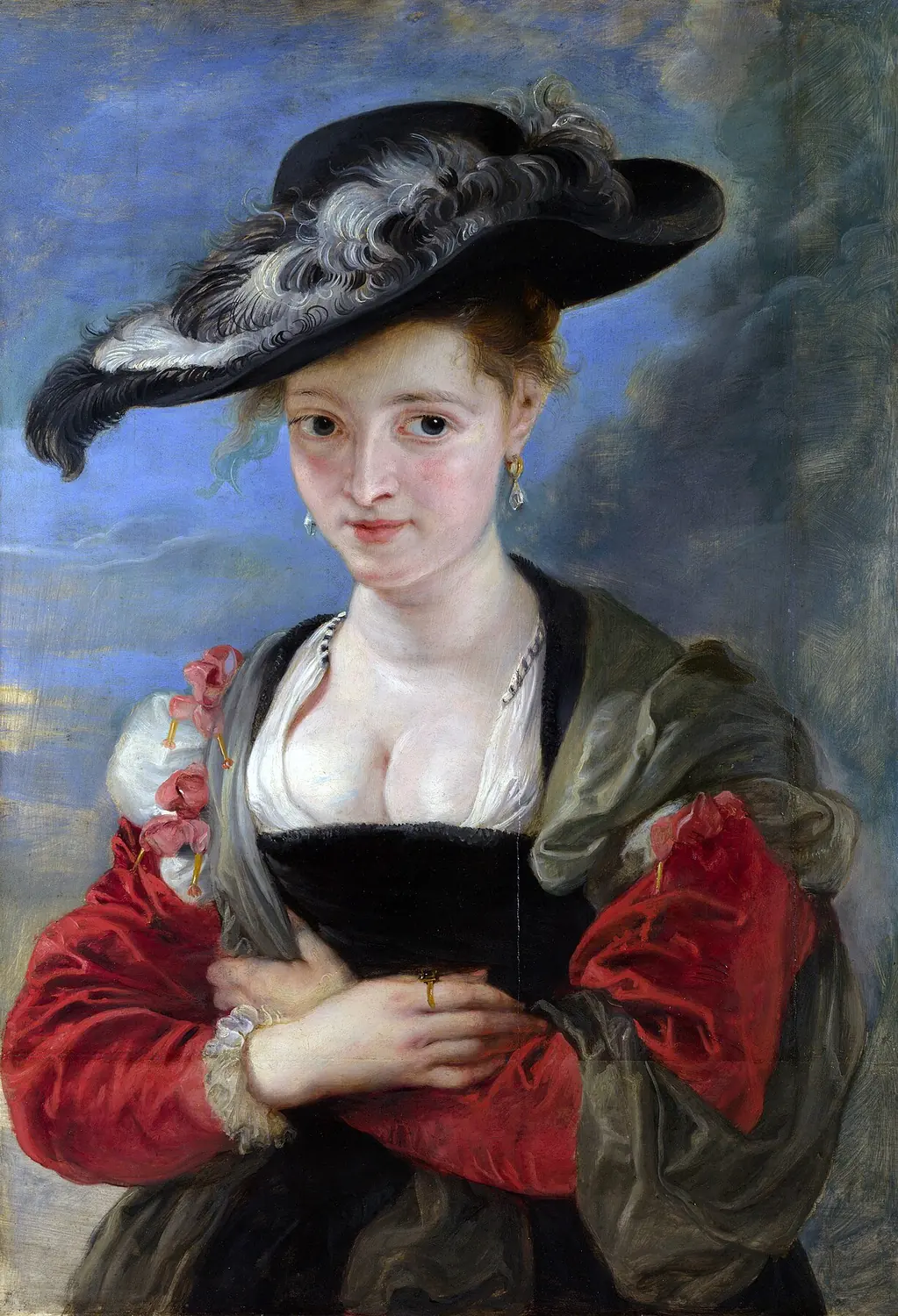
A young woman in a wide plumed hat looks at us. The shadow of the hat delicately colours her face with reflections: a painter’s tour de force. The sitter is thought to be Susanna Lunden, sister of his second wife.
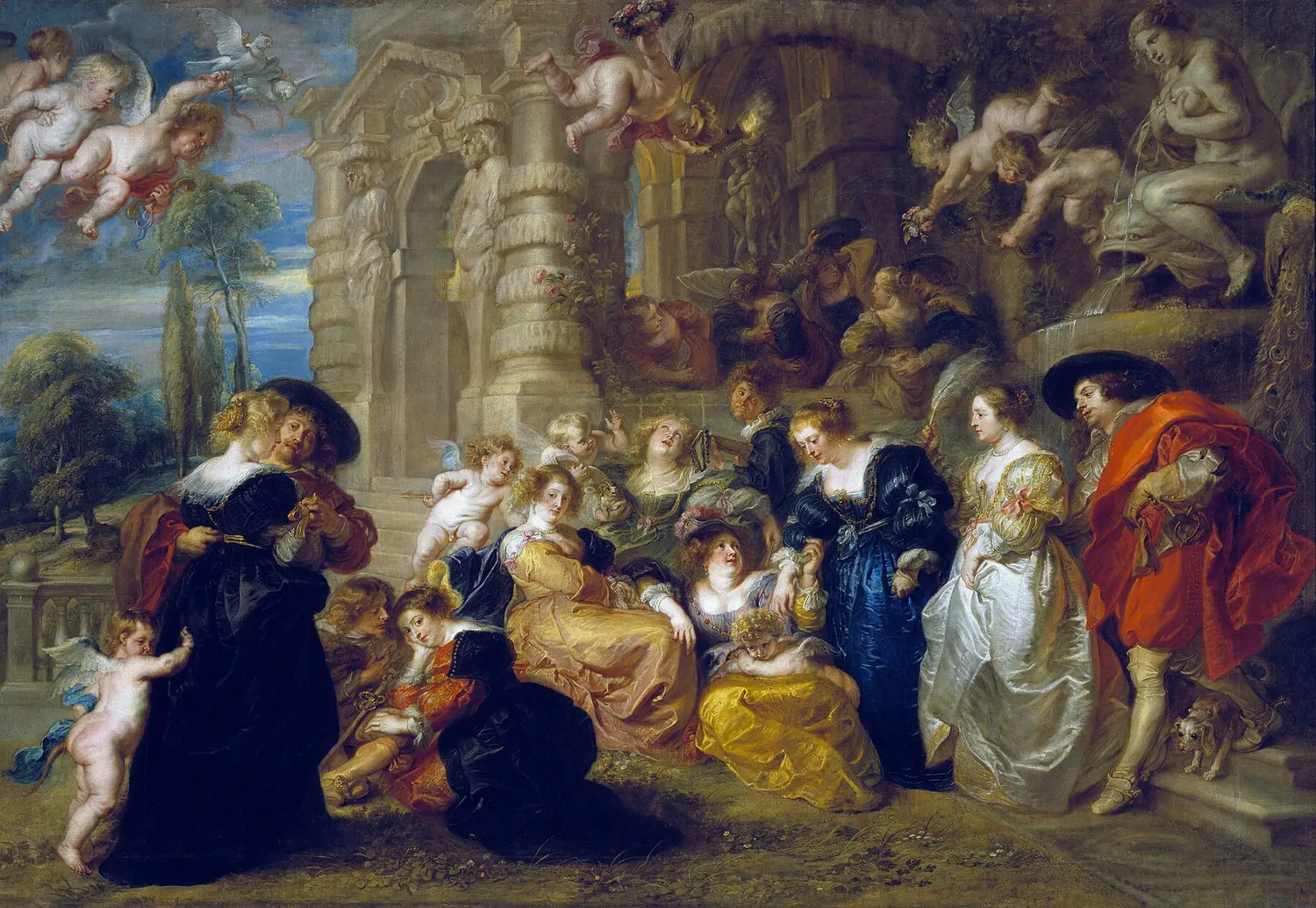
In a palace garden, elegant couples enjoy themselves under the eyes of flying cupids. Rubens celebrates his marriage to Helena Fourment, whom he may have painted several times among the ladies.
The famous Chapeau de Paille is wrongly named: the sitter’s hat is beaver felt, not straw. The title, which appeared in the 18th century, may be a corruption of ’chapeau de poil’, a fur hat.
 Frans Hals
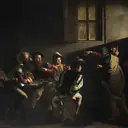 Caravaggio
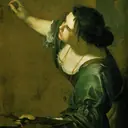 Artemisia Gentileschi
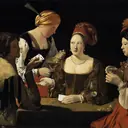 Georges de La Tour
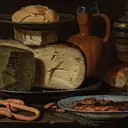 Clara Peeters
 Nicolas Poussin
 Francisco de Zurbarán
 Anthony van Dyck