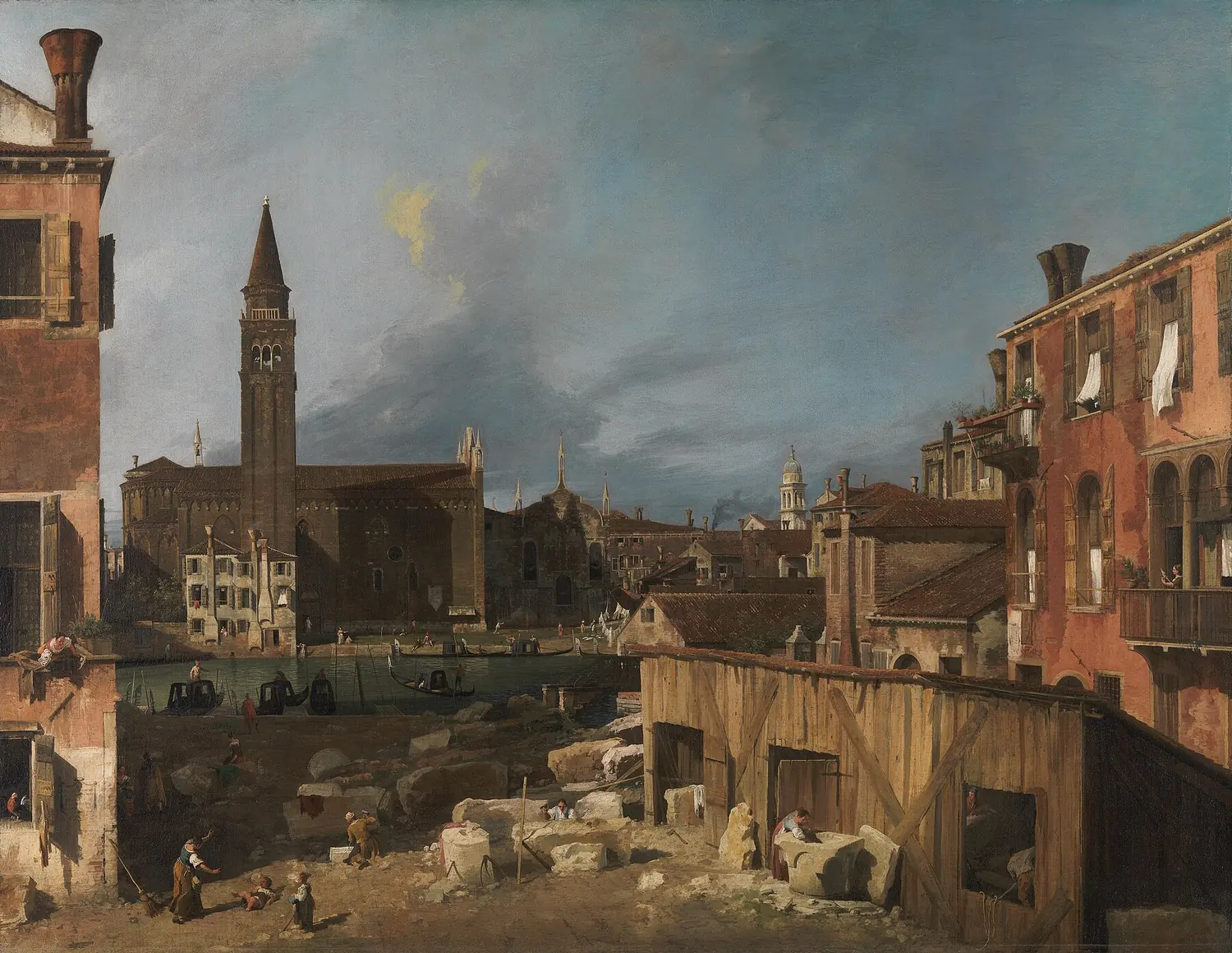
The Stonemason’s Yard
In a Venetian courtyard, stonemasons work in front of their houses while laundry dries at the windows. A mother rushes towards her child who has fallen over. A view of ordinary Venice, far from the festivals.
The portraitist of Venice
Canaletto painted Venice like no one else: its canals, palaces and festivals, with luminous precision. His views, or vedute, were the favourite souvenirs of wealthy English travellers on the Grand Tour.
Born in Venice in 1697, Giovanni Antonio Canal was the son of a theatre-scenery painter, with whom he first worked. Around 1720 he devoted himself to views of his city. The British consul Joseph Smith became his agent and sold his paintings to young English aristocrats travelling in Italy.
When war reduced the number of visitors, Canaletto left for London, where he lived from 1746 to 1755 painting the Thames and English country houses. Back in Venice he was finally admitted to the Academy in 1763. He died in his home city in 1768.
Canaletto built his views with rigorous perspective and sometimes used a camera obscura. He painted clear light, bright skies, reflections in the water and crowds of small figures: gondoliers, merchants, strollers. He did not hesitate to move a monument to improve the composition.
In a Venetian courtyard, stonemasons work in front of their houses while laundry dries at the windows. A mother rushes towards her child who has fallen over. A view of ordinary Venice, far from the festivals.
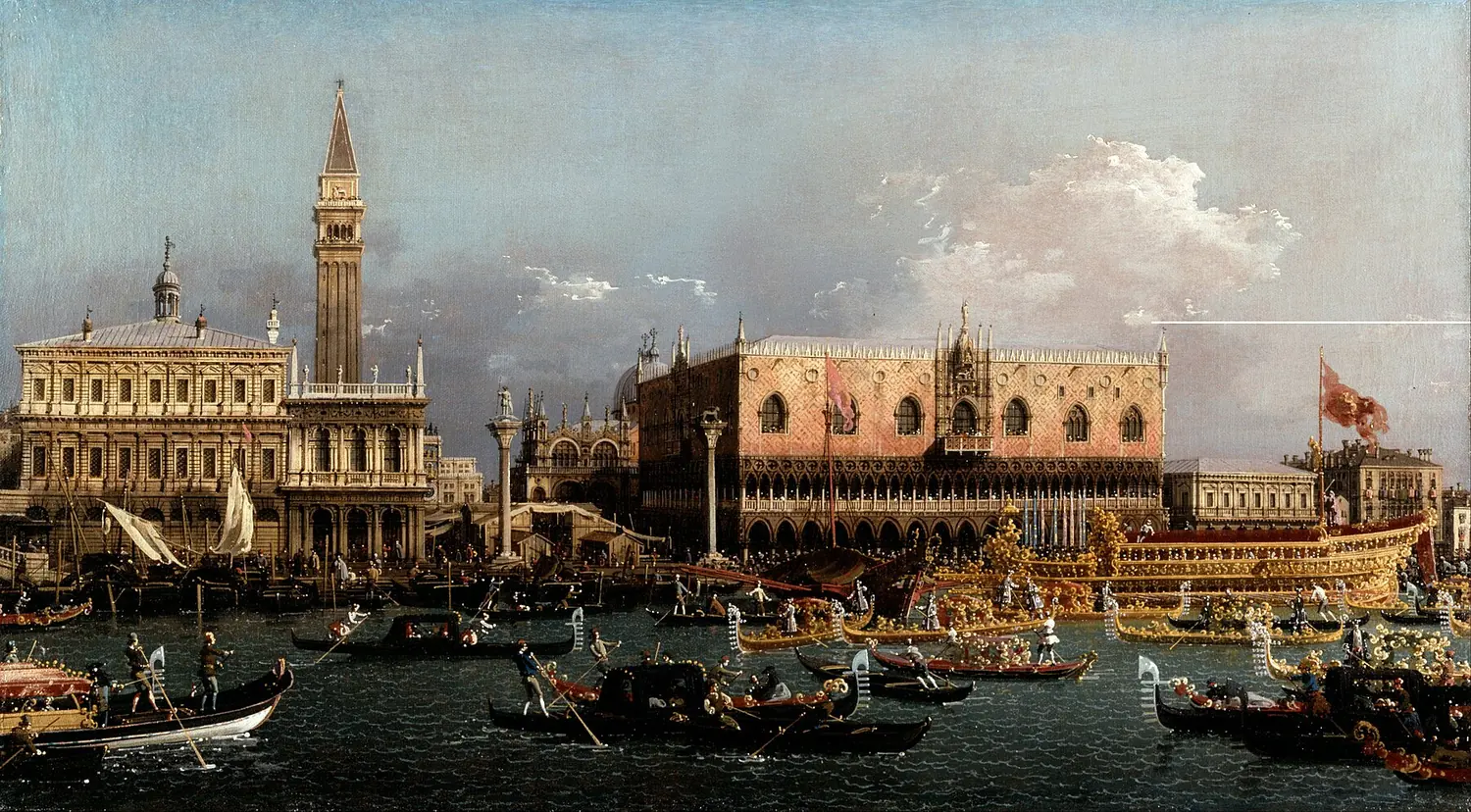
On Ascension Day, the doge returns on the Bucintoro, his gilded state galley, after the ceremony of the ’marriage of the sea’. Hundreds of gondolas surround it in front of the Doge’s Palace.
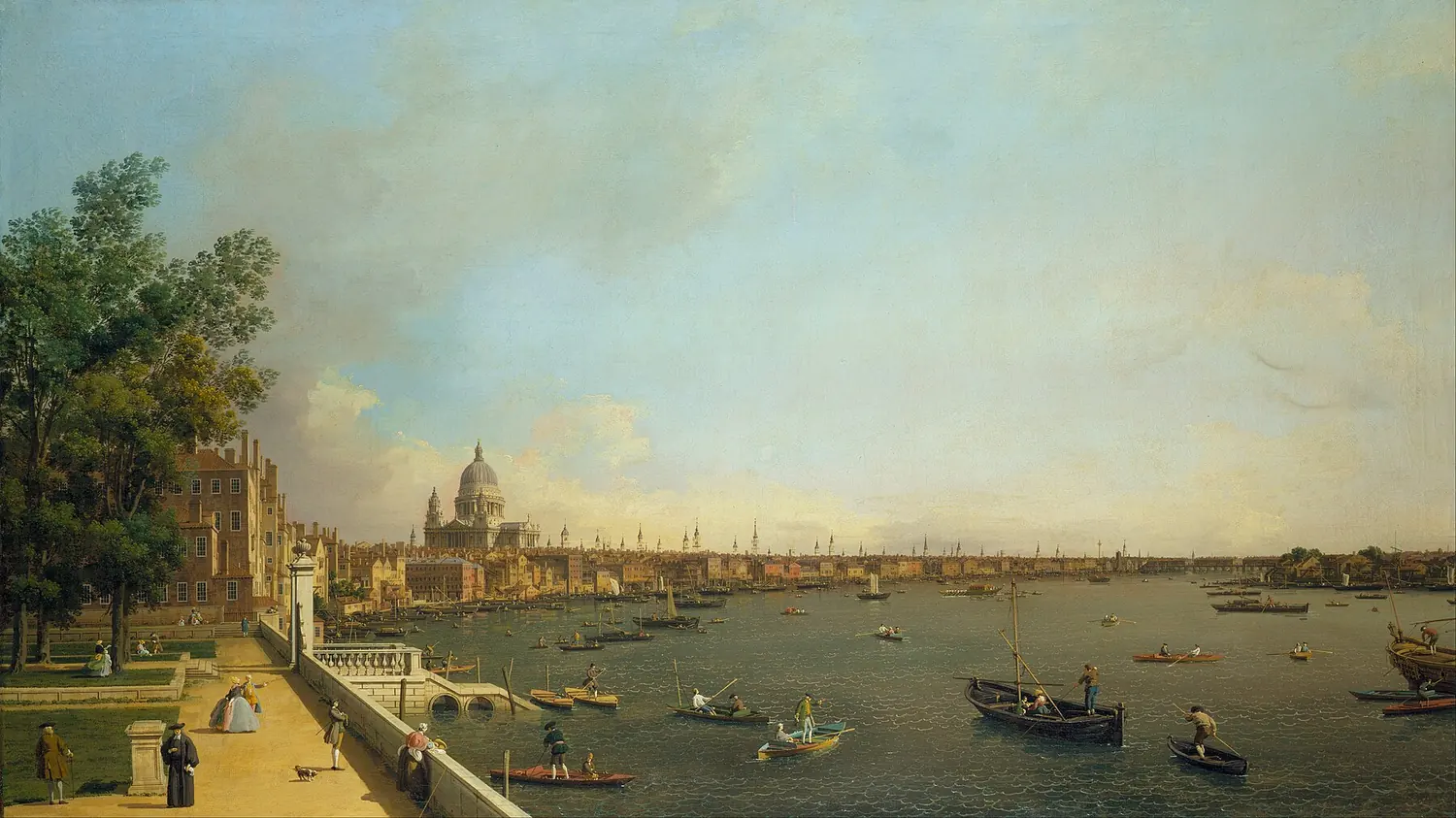
From a London terrace, Canaletto paints the Thames crowded with boats, with St Paul’s Cathedral and the City’s steeples on the horizon. He applies the light of Venice to London.
The world’s largest collection of Canaletto belongs to the British royal family: Consul Smith sold it to King George III in 1762.
 Jean-Baptiste-Siméon Chardin
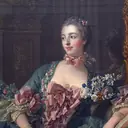 François Boucher
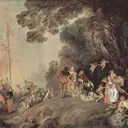 Antoine Watteau
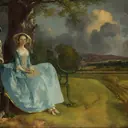 Thomas Gainsborough
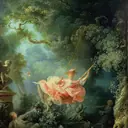 Jean-Honoré Fragonard
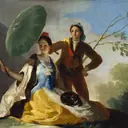 Francisco Goya
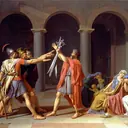 Jacques-Louis David
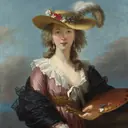 Élisabeth Vigée Le Brun