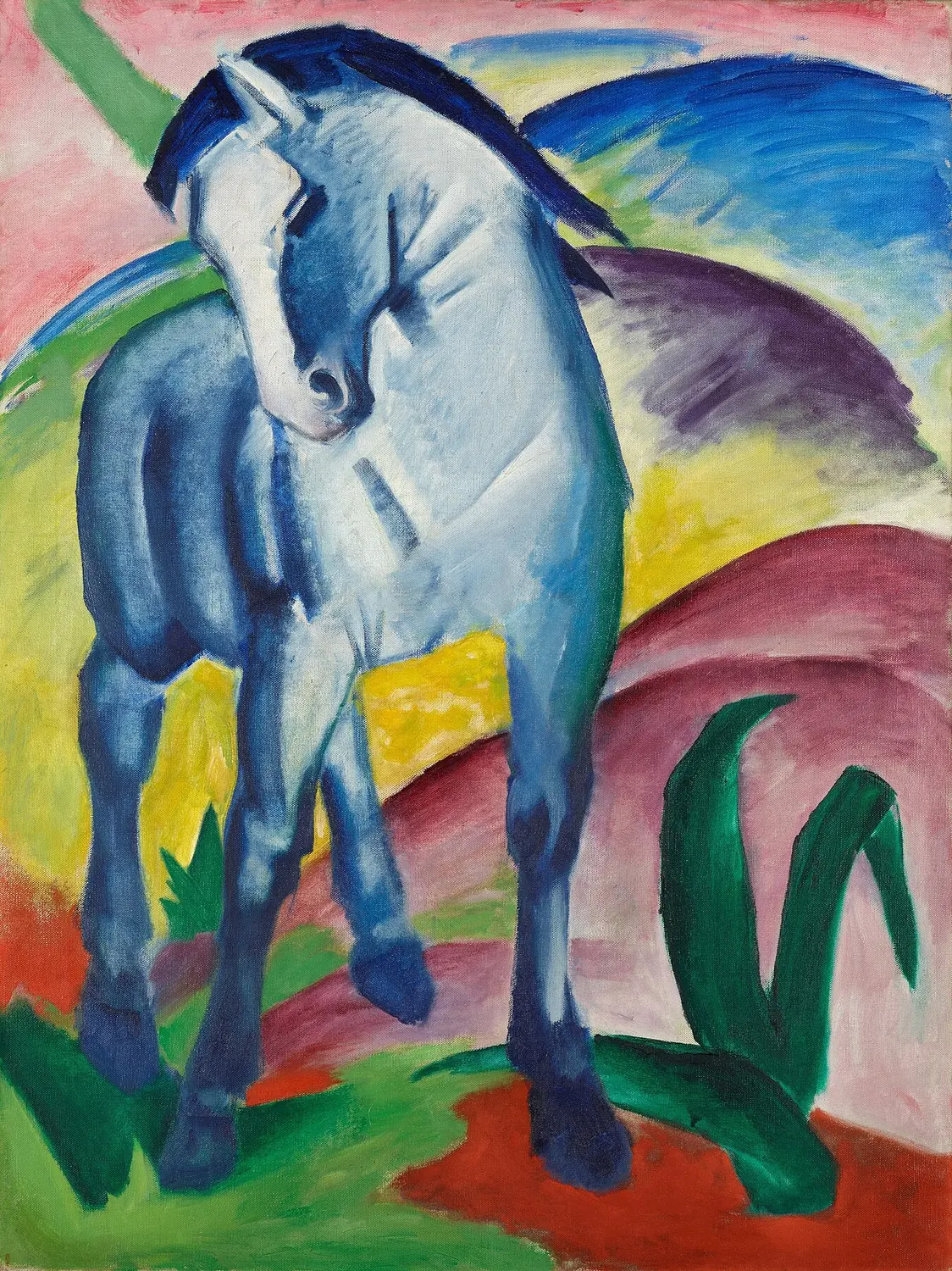
Blue Horse I
A young blue horse, head lowered, stands in the foreground of a landscape of red, yellow and green hills. Its massive, gentle silhouette fills almost the whole picture.
The painter of blue horses
Co-founder of the Blaue Reiter with Kandinsky, Franz Marc painted animals in symbolic colours, blue horses, yellow cows, red foxes, to express the purity and harmony of the world. He was killed at thirty-six during the First World War.
Born in Munich in 1880, the son of a painter, Franz Marc first thought of becoming a pastor, then studied at the Munich Academy of Fine Arts. Trips to Paris introduced him to the Impressionists, Van Gogh and Gauguin. He studied animal anatomy and drew animals constantly.
In 1911 he founded the Blaue Reiter (Blue Rider) with Wassily Kandinsky, a group and almanac bringing together artists, musicians and writings on art. His colours became ever freer and his forms, influenced by Cubism, broke apart. Called up in 1914, he was killed near Verdun in 1916.
For Marc each colour had a meaning: in a letter of 1910 he explains that blue is spiritual and austere, yellow gentle and joyful, red heavy and brutal. Animals, being innocent, embodied for him a truer nature than the human world.
A young blue horse, head lowered, stands in the foreground of a landscape of red, yellow and green hills. Its massive, gentle silhouette fills almost the whole picture.
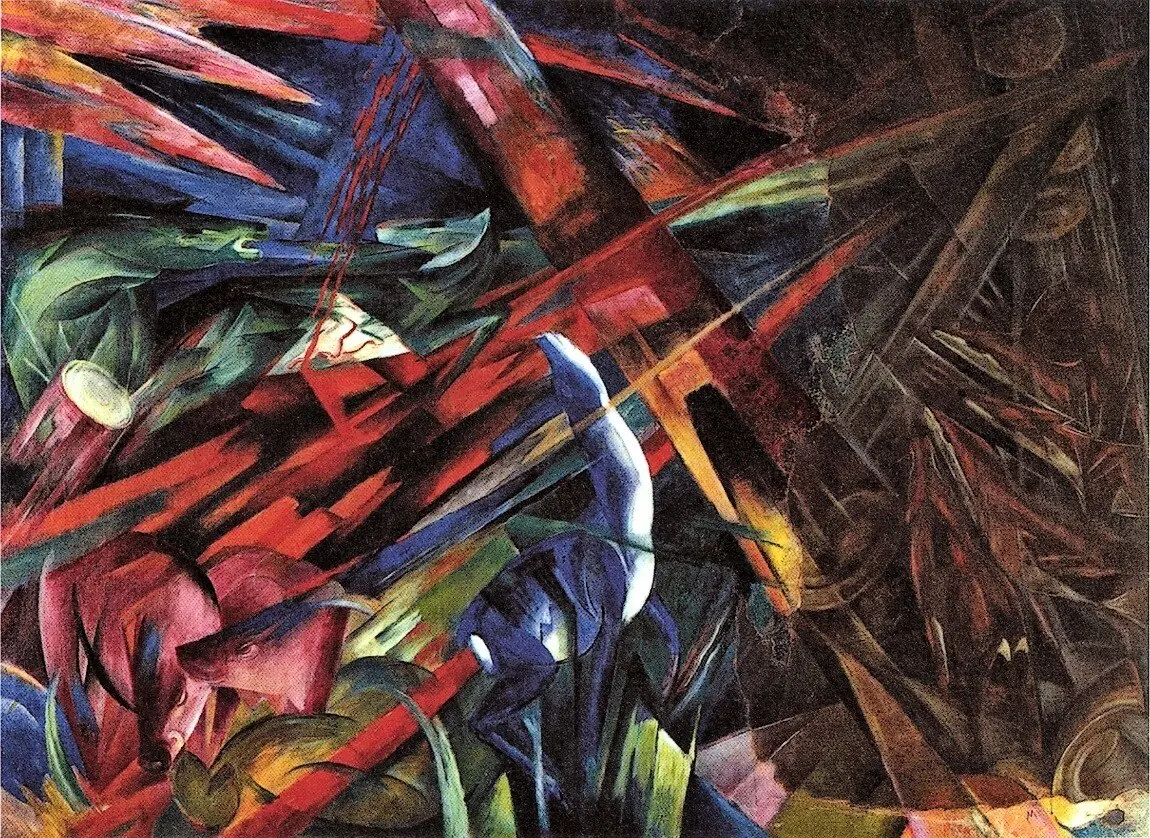
A forest shatters into splinters of colour; trees and animals, deer, a boar, horses, seem caught in a catastrophe. Painted just before the war, it was later seen as a premonition.
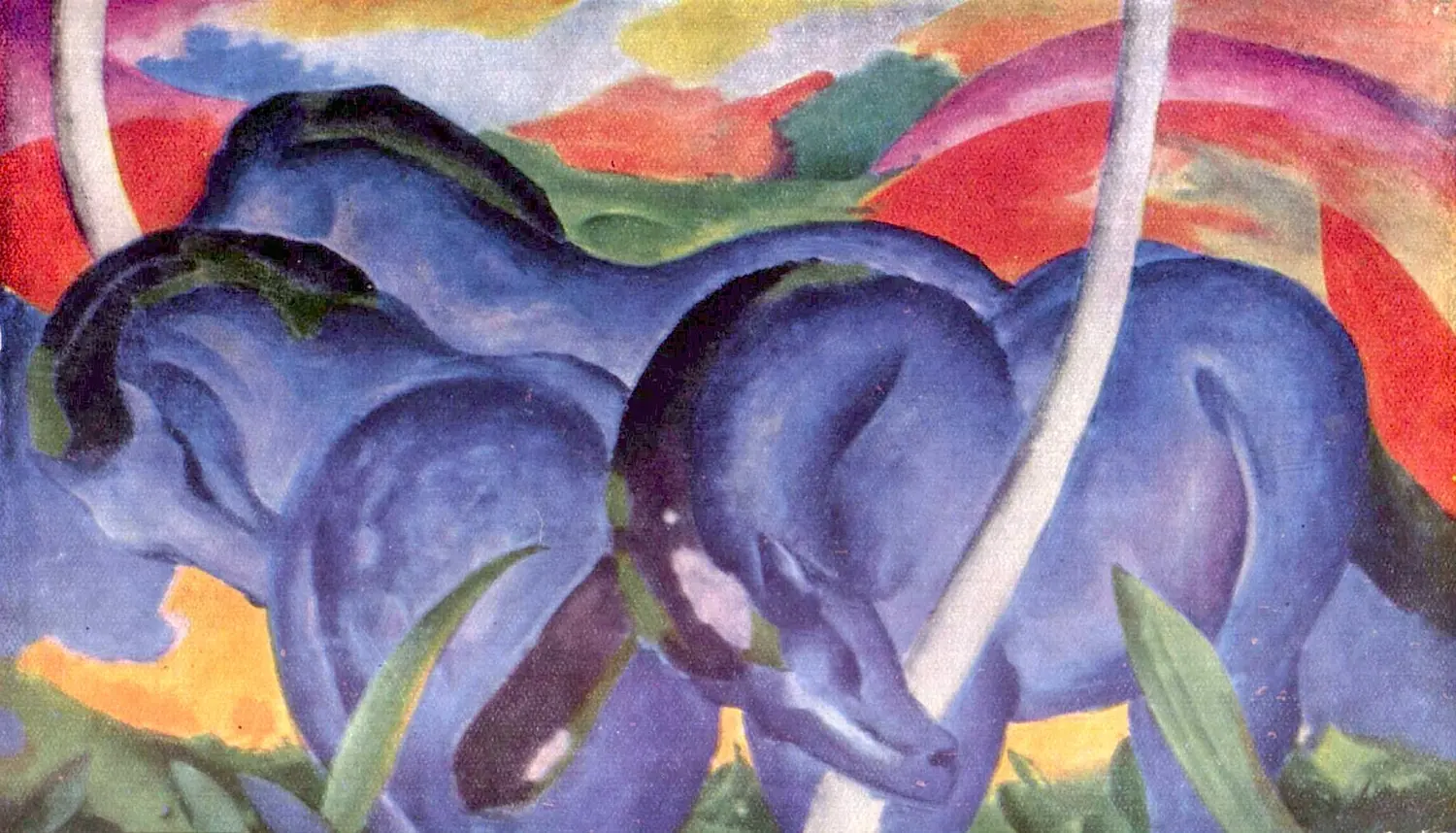
Three large blue horses, pressed together, curve in front of red hills and a tree. Their curves echo those of the landscape.
Fate of the Animals was badly damaged by fire during the war. His friend Paul Klee restored the burnt section, painting in darker tones so that his own hand could be recognised.
 Paul Klee
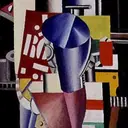 Fernand Léger
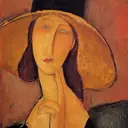 Amedeo Modigliani