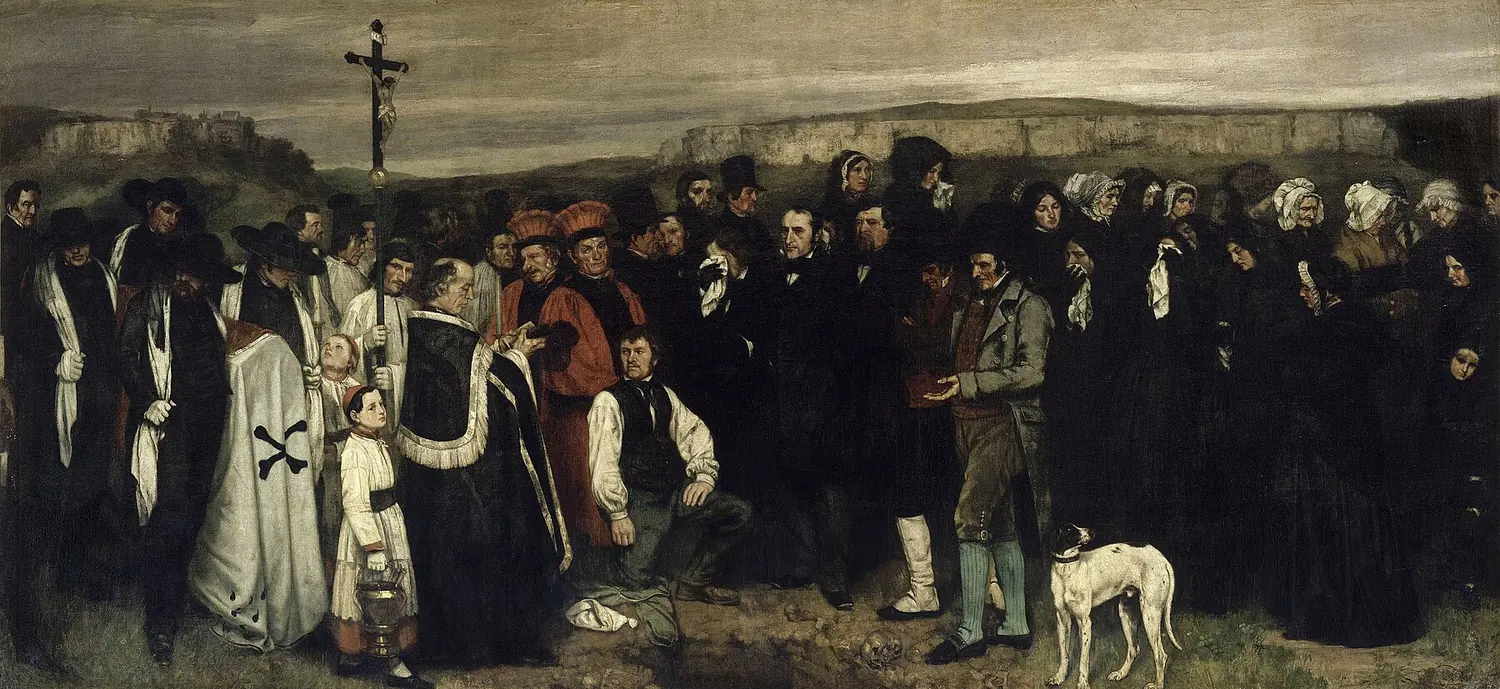
A Burial at Ornans
Some fifty inhabitants of Ornans, life-size, attend a burial beside a grave before the cliffs of the Jura. No hero, no action: the plain reality of a village, painted on the scale of a history painting.
The master of Realism
Provocative and self-assured, Gustave Courbet established Realism: painting the world as it is, ordinary people, the countryside, work, without idealising. He shook up official art and paid dearly for his political commitment.
Born in 1819 in Ornans, in the Doubs, Gustave Courbet came to Paris, learned by copying the masters in the Louvre and painted many self-portraits. In 1850 his huge Burial at Ornans, showing the inhabitants of his village life-size, caused a scandal at the Salon.
In 1855, rejected by the World’s Fair, he built his own pavilion, the ’Pavilion of Realism’. Involved in the Paris Commune of 1871, he was ordered to pay for rebuilding the toppled Vendôme Column. Ruined, he went into exile in Switzerland, where he died in 1877.
Courbet painted with thick paint, sometimes with a palette knife, in dark earthy tones, with rocky and wooded Jura landscapes. He refused mythological subjects: ’Show me an angel and I will paint one,’ he is supposed to have said. His figures have the raw presence of reality.
Some fifty inhabitants of Ornans, life-size, attend a burial beside a grave before the cliffs of the Jura. No hero, no action: the plain reality of a village, painted on the scale of a history painting.
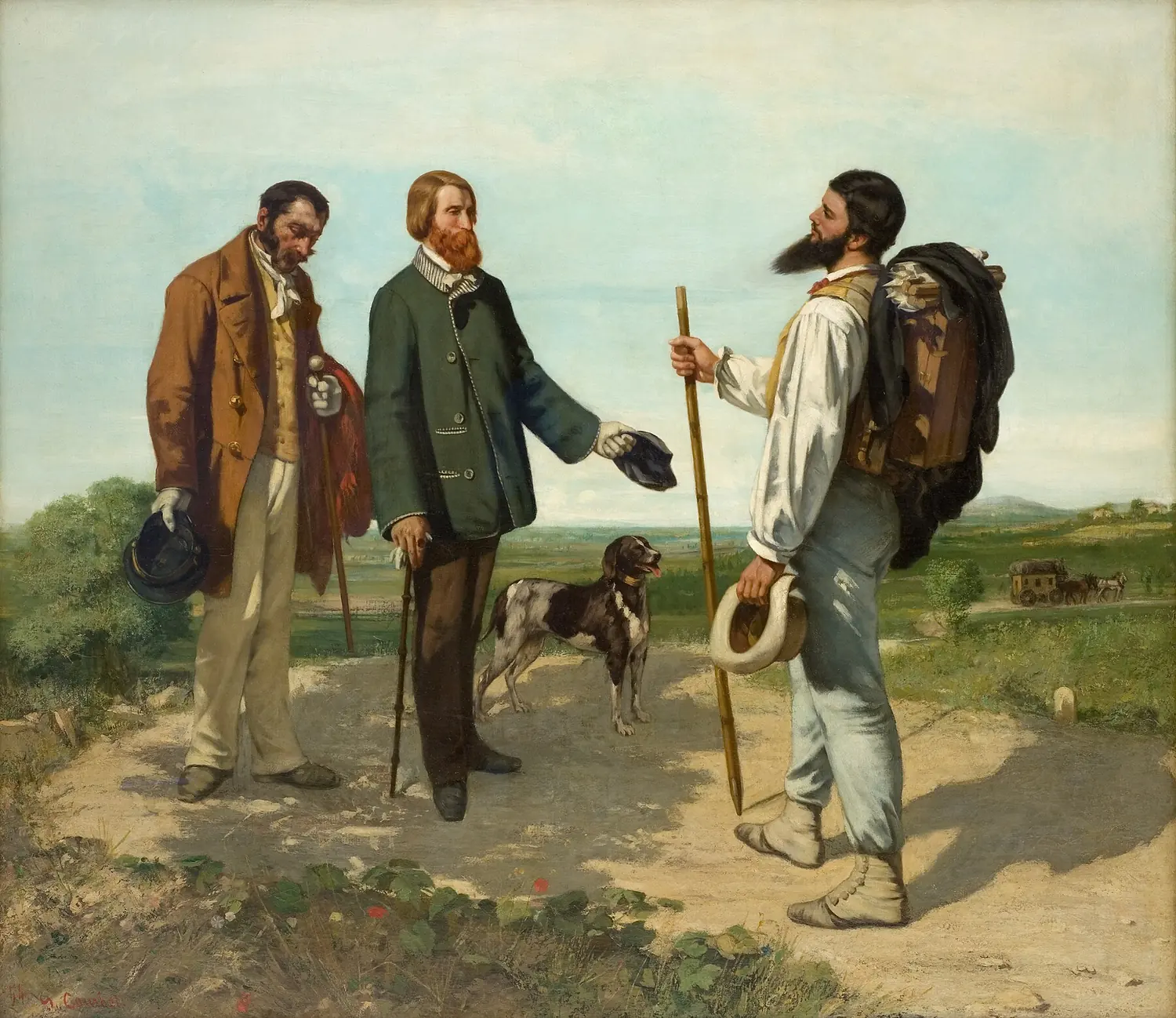
On a sunny road near Montpellier, the painter, laden with his equipment, meets his patron Alfred Bruyas and his servant. Courbet holds his head high, almost taller than the man who pays him.
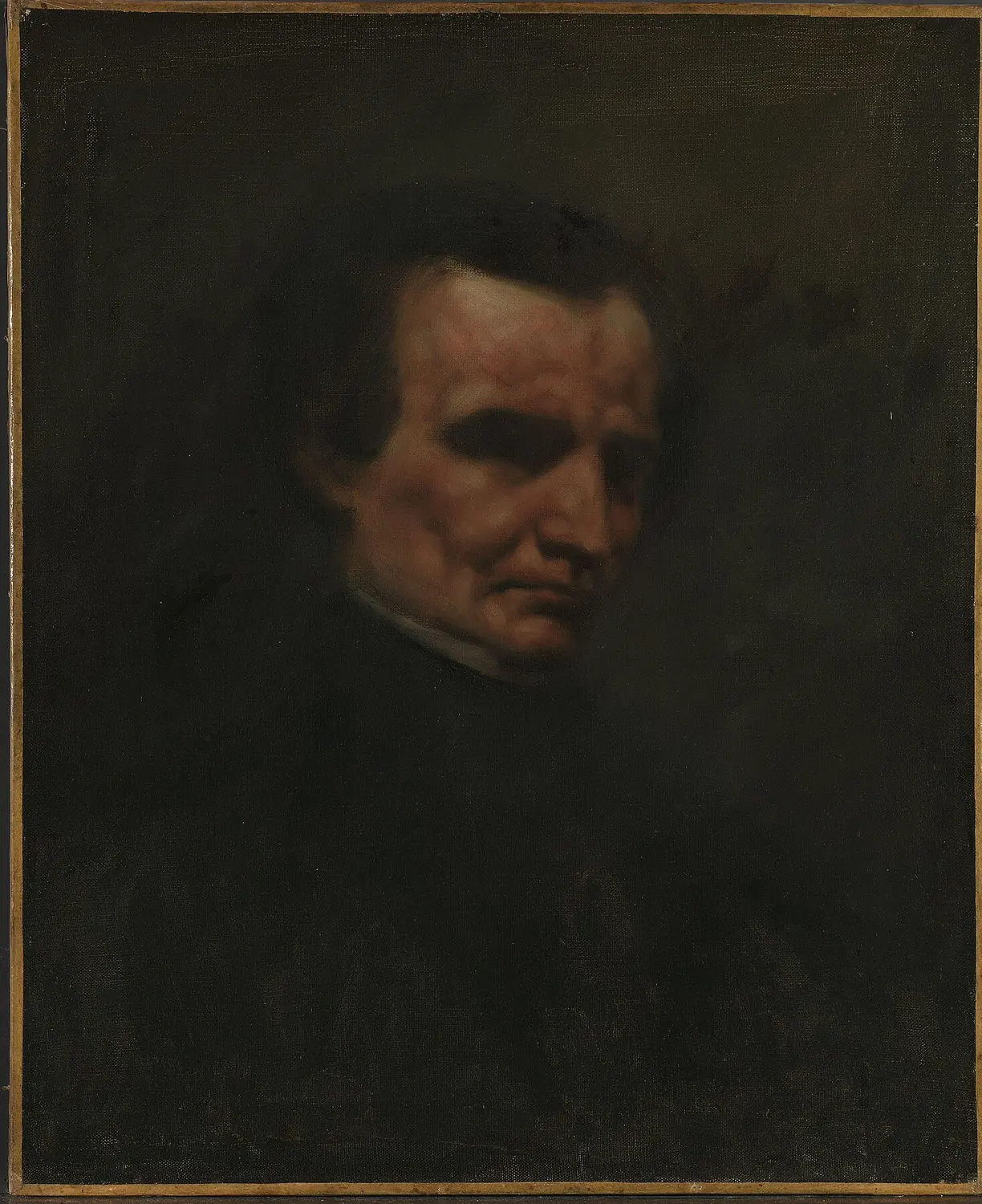
The composer Hector Berlioz, with shadowed eyes and a dark gaze, stands out against a dark background. Courbet painted this unflattering portrait in 1850.
The Meeting is nicknamed ’Bonjour Monsieur Courbet’: the painter, pack on his back, greets his rich patron Alfred Bruyas as an equal, with Bruyas’s servant beside him. Critics found this pride insolent.
 Rosa Bonheur
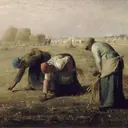 Jean-François Millet
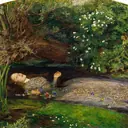 John Everett Millais
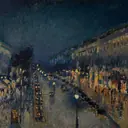 Camille Pissarro
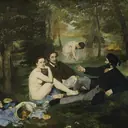 Édouard Manet
 Edgar Degas
 James McNeill Whistler
 Paul Cézanne