Ophelia
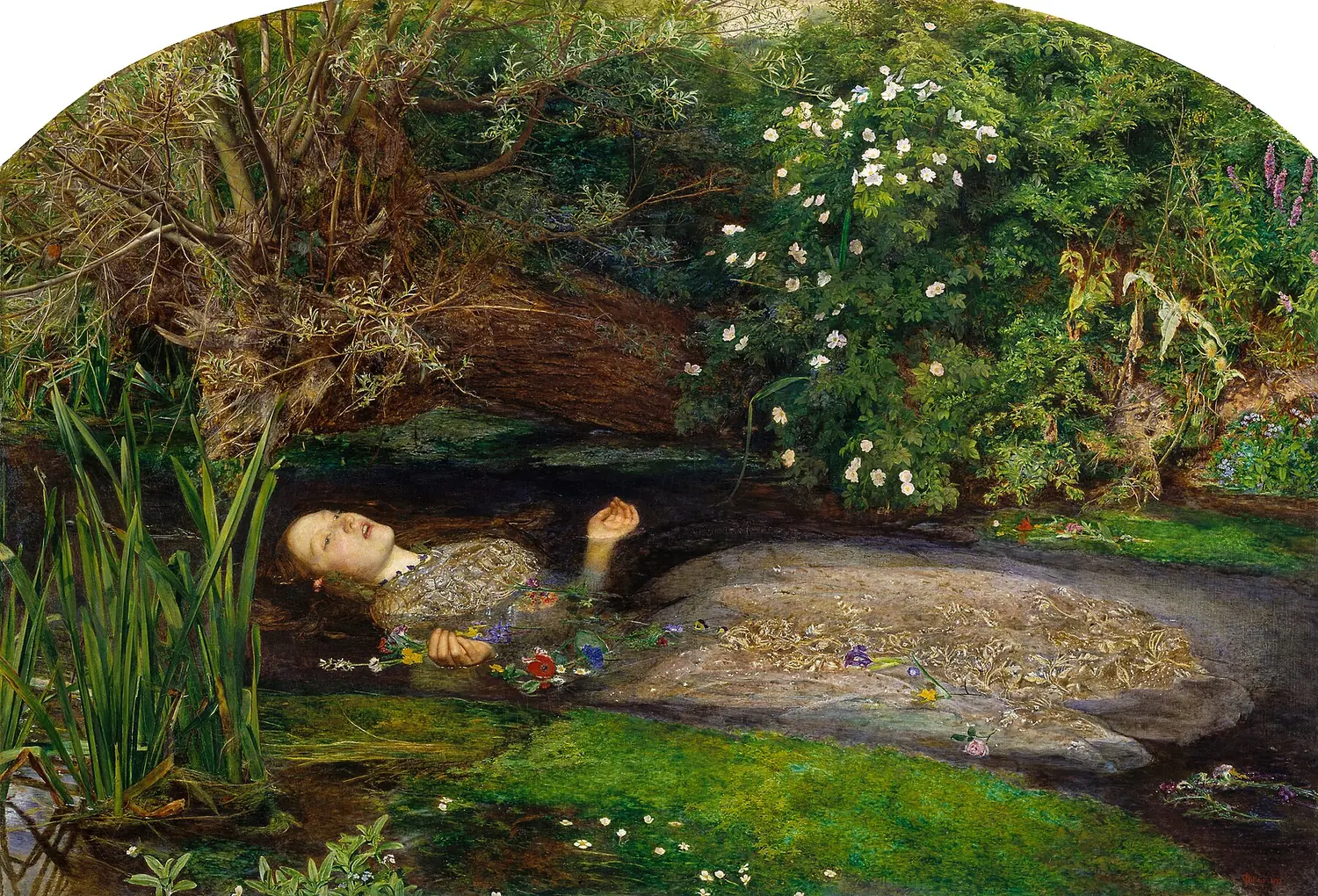
Ophelia, the heroine of Shakespeare’s Hamlet, floats in a stream singing, surrounded by flowers. Millais painted the riverbank over months beside a river in Surrey, then the figure in the studio.
The Pre-Raphaelite prodigy
Admitted to the Royal Academy Schools at eleven, John Everett Millais co-founded the Pre-Raphaelite Brotherhood, which sought to recover the sincerity and detail of painters before Raphael. His Ophelia is one of the best-loved paintings in England.
Born in Southampton in 1829, John Everett Millais was a child prodigy: he entered the Royal Academy Schools at eleven, the youngest pupil in its history. In 1848, with Dante Gabriel Rossetti and William Holman Hunt, he founded the Pre-Raphaelite Brotherhood. His Christ in the House of His Parents, judged too realistic, was fiercely attacked, notably by the writer Charles Dickens.
Defended by the critic John Ruskin, he soon found success. In 1855 he married Effie Gray, whose first marriage to Ruskin had been annulled. Having become a very popular painter of portraits and genre scenes, he was the first artist made a baronet, in 1885, and became President of the Royal Academy in 1896, shortly before his death.
In his Pre-Raphaelite period Millais painted every blade of grass and every flower with botanical precision, outdoors, on a still-wet white ground that made colours brilliant. Later his touch became broader and more supple.
Ophelia, the heroine of Shakespeare’s Hamlet, floats in a stream singing, surrounded by flowers. Millais painted the riverbank over months beside a river in Surrey, then the figure in the studio.
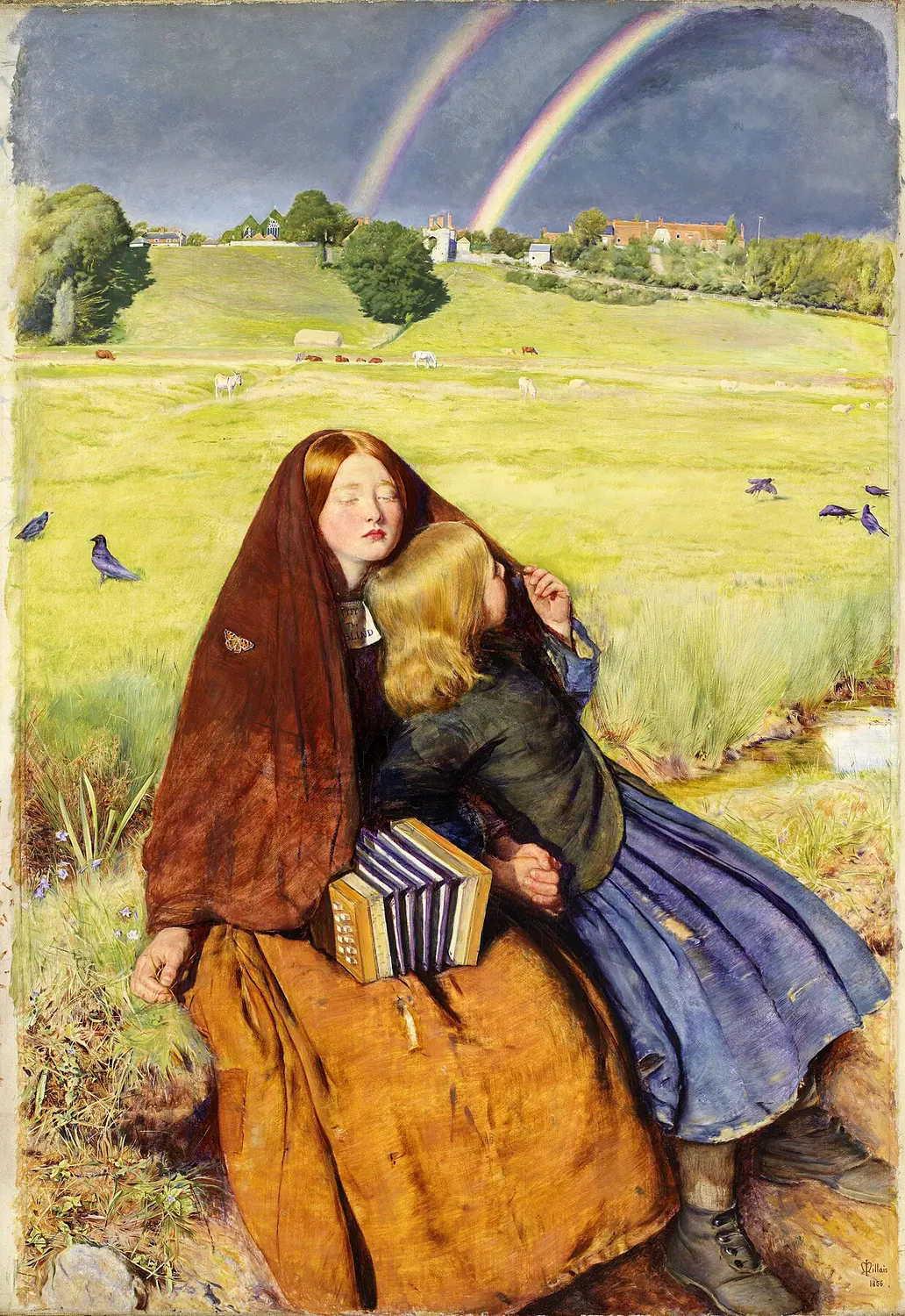
A blind young beggar, a concertina on her lap, sits by a path after a storm. Her little companion turns to admire a double rainbow that she herself cannot see. A butterfly has settled on her shawl.
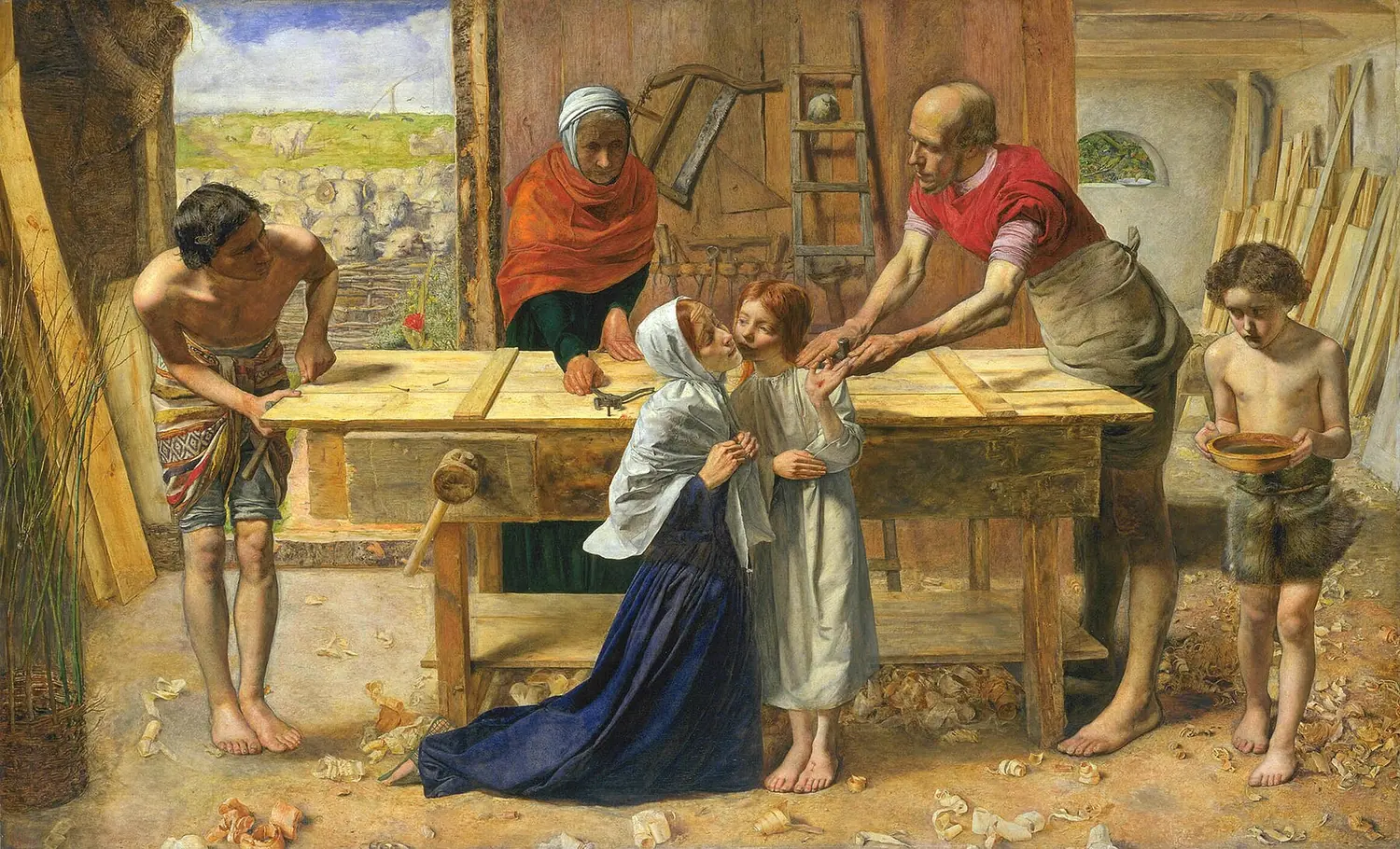
In the workshop of Joseph the carpenter, the child Jesus has hurt his hand on a nail; his mother kneels to kiss him. The wood shavings, tools and ordinary faces shocked those expecting an idealised scene.
For Ophelia, the model Elizabeth Siddal posed in a bathtub warmed by lamps. One day the lamps went out without the painter noticing: she caught a chill, and her father demanded that Millais pay the doctor’s bills.
 Camille Pissarro
 Édouard Manet
 Edgar Degas
 James McNeill Whistler
 Rosa Bonheur
 Gustave Courbet
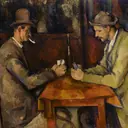 Paul Cézanne
 Alfred Sisley