Genres of painting
Portrait, landscape, still life, history painting, genre scene: the great families of pictures.
History painting
At the top of the hierarchy set by the academies in the 17th century: grand religious, mythological or historical subjects with many figures, requiring learning and imagination. David and Delacroix painted famous examples.
Portrait
Representing a person: their likeness, but also their rank and character. The official portrait shows power; the self-portrait lets painters study themselves, like Rembrandt or Van Gogh.
Genre scene
Scenes of everyday life: meals, games, work, village feasts. Bruegel, the 17th-century Dutch painters and then the Impressionists made it very popular.
Landscape
At first a mere backdrop, landscape became a subject in its own right with the Dutch, Claude Lorrain, then Constable, Turner and the Impressionists, who painted outdoors.
Still life
Fruit, flowers, tableware, game, books… Considered the humblest genre, it allowed painters to show their virtuosity and to meditate on the passing of time. Chardin and Cézanne made masterpieces of it.
Portrait
It’s a picture of a person. When painters paint themselves, it’s a self-portrait.
Landscape
It’s a picture of a place: the sea, the mountains, the countryside, the city.
Still life
It’s a picture of objects: fruit, flowers, cups, musical instruments.
History and everyday life
Some paintings tell great stories, others show everyday life: a meal, a game, a party.
Challenge
Play the game below: which genre does each painting belong to?
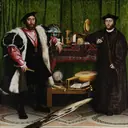 Hans Holbein the Younger
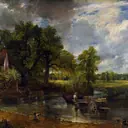 John Constable
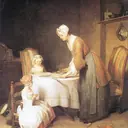 Jean-Baptiste-Siméon Chardin
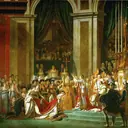 Jacques-Louis David
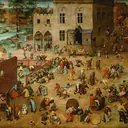 Pieter Bruegel the Elder
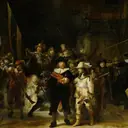 Rembrandt