Techniques
Fresco, tempera, oil, watercolour, pastel, printmaking: each technique has its secrets.
Fresco
Pigments mixed with water are painted onto lime plaster while it is still fresh. As it dries, the colour becomes part of the wall. You have to work fast, in areas of one day’s work called ’giornate’. Giotto and Michelangelo were masters of fresco.
Tempera
Before oil, altarpieces on wood were painted with pigments bound with egg yolk. Tempera dries very quickly and is applied in small hatched strokes: the colours are crisp and matt.
Oil painting
Pigments are bound with a drying oil such as linseed oil. It dries slowly, allowing colours to be blended and transparent layers, glazes, to be superimposed. Perfected in the 15th century by Flemish painters such as Jan van Eyck, it became the leading technique of Western painting.
Watercolour and ink
Watercolour uses very fine pigments diluted in water, laid in transparent layers on paper, whose white serves as light. Dürer and Turner practised it with virtuosity. In China and Japan, ink painting with a brush is an art in its own right.
Pastel
Sticks of almost pure pigment, barely bound, crushed onto the paper. The colours are brilliant and velvety, but fragile. Degas used it very inventively.
Printmaking
A block of wood or a metal plate is carved, inked and printed on paper, which makes it possible to produce many copies. Dürer made printmaking a major art; in Japan, ukiyo-e prints are printed with one block per colour.
Painting on a wet wall
For a fresco you paint on a wall that is still wet. When it dries, the paint is part of the wall for centuries!
Egg paint
Long ago, people mixed colours with egg yolk. It’s called tempera.
Oil paint
With oil, paint dries slowly: you have time to blend colours and paint tiny details.
Printing a picture
For a print, you carve a drawing into wood, add ink and press a sheet of paper on top. You can make lots of copies!
Challenge
Cut a potato in half, carve a simple shape, dip it in paint and print it on paper (with an adult’s help).
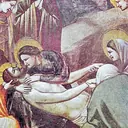 Giotto
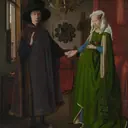 Jan van Eyck
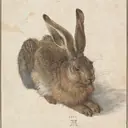 Albrecht Dürer
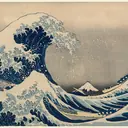 Katsushika Hokusai
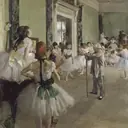 Edgar Degas
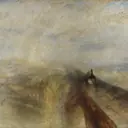 J. M. W. Turner